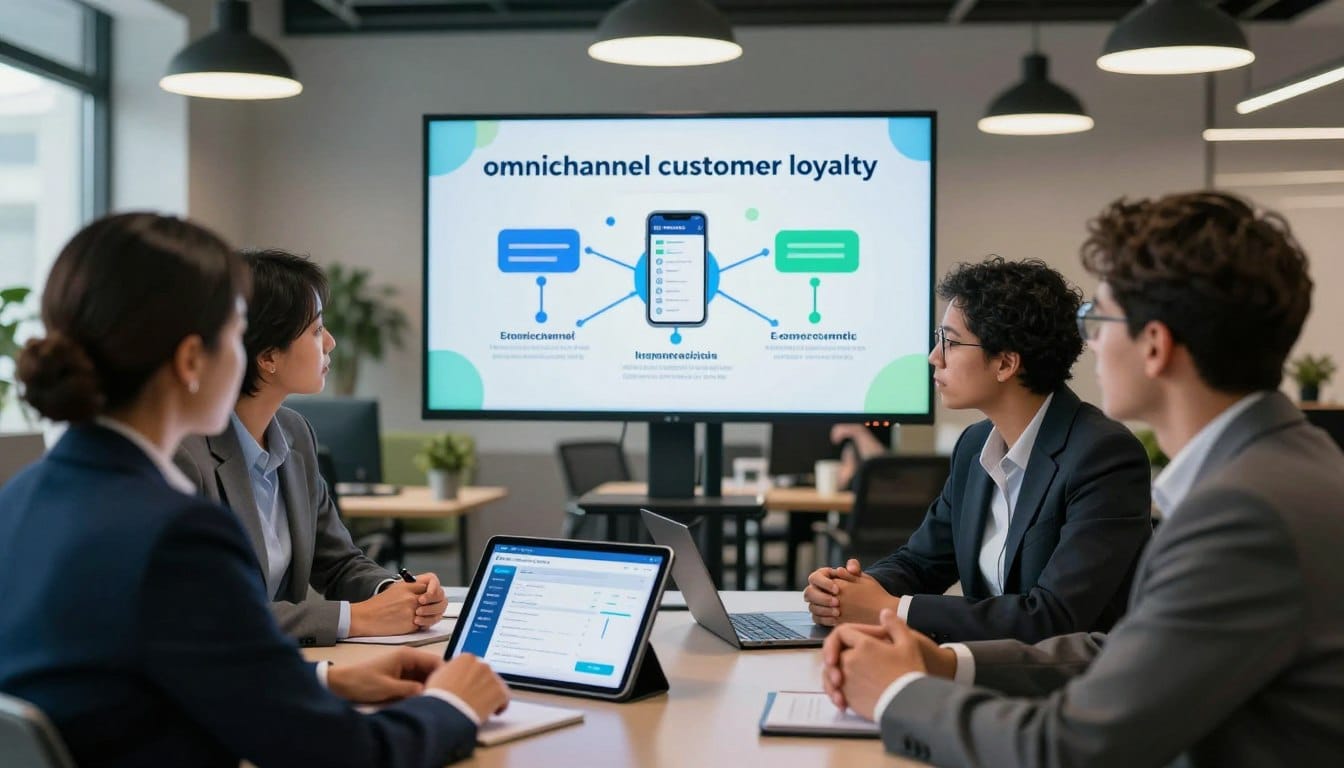


You are standing at the heart of the biggest transformation in retail history. The old lines between online and offline shopping have completely disappeared for the modern shopper. Every customer now moves between several channels to compare prices and find the best deals.
To grow your business, you must provide a seamless experience across every digital and physical touchpoint. This ecommerce guide walks you through the core concepts of the omnichannel world. You will learn how to connect with people on mobile apps, social media, and in-person storefronts.
Why does this modern strategy matter so much? Companies that effectively link their channels see massive growth in sales. By creating a consistent brand experience, you turn a first-time customer into a loyal advocate. This approach puts the customer at the center of every transaction.
Modern shoppers want reliability and personalization on every device they own. When you meet a customer where they already spend time, you build lasting trust across all channels. Let’s dive into the strategies that keep a customer coming back to your retail store. Our omnichannel roadmap starts now.
Key Takeaways
- Meet your shoppers across multiple digital and physical platforms.
- Ensure a consistent brand message to build lasting trust.
- Use data to personalize the journey for every buyer.
- Connect your inventory across all selling platforms.
- Focus on high-quality service to increase lifetime value.
- Turn first-time buyers into brand advocates through seamless interactions.
What Is Omnichannel E-commerce and Why It Matters for Your Business
Success in the modern retail landscape starts with realizing that your customers no longer see a difference between your website and your physical storefront. They view your brand as a single entity, regardless of how they choose to interact with you.
To thrive today, your business must adopt a strategy that meets these evolving needs seamlessly. This isn’t just about being in many places at once—it’s about making sure those places actually talk to each other.
Definition and Core Principles of Omnichannel Retail
Omnichannel e-commerce is a retail strategy that integrates all your sales platforms into one cohesive ecosystem. This includes your offline stores, mobile apps, social media, and online marketplaces. Unlike older methods, this approach places the customer at the absolute center of every decision.
The goal is to eliminate friction during the customer experience. By integrating various channels, you ensure that every interaction feels like a continuation of the last. It creates a unified experience where your data and inventory work together harmoniously rather than in isolated silos.
The Shift from Traditional to Omnichannel Shopping
The fundamental shift in shopping reflects a move away from linear paths. In the past, a customer might simply see an ad and visit a store to buy the item. Today, they might browse on a laptop, check reviews on a phone, and then visit a physical location to touch the product.
You need to meet them at all these different touchpoints. The path to purchase is now a web of interactions across multiple channels. Staying relevant means being present and consistent wherever your buyers happen to be.
| Feature | Traditional Retail | Omnichannel Retail |
|---|---|---|
| Shopping Path | Linear and simple | Non-linear and complex |
| Data Flow | Isolated in silos | Fully integrated |
| Core Focus | Product transactions | Unified customer journey |
Customer Expectations in the Modern Retail Landscape
Modern customers have high standards for convenience and flexibility. They expect you to recognize them across all channels and remember their unique preferences. Omnichannel retail provides the personalization necessary to fulfill these modern demands.
- Syncing shopping carts between different devices for a smooth transition.
- Providing consistent pricing and messaging across every platform.
- Allowing customer orders to be placed online and picked up in-person.
- Offering flexible returns regardless of where the initial purchase started.
By meeting these expectations, you build deep loyalty that lasts. You aren’t just selling a product; you are providing a retail solution that fits perfectly into their busy lives.
Omnichannel vs Multichannel vs Traditional E-commerce: Understanding the Differences
You probably wonder what really separates omnichannel from multichannel and traditional ecommerce models. The secret does not lie in how many channels you operate to reach your audience.
Instead, the answer depends on how those multiple channels work together to serve your customer. Understanding these nuances helps you build a strategy that actually scales in a crowded market.
Single-Channel E-commerce: The Traditional Approach
This approach represents the most straightforward way to sell your products today. Your customers browse items on a single platform, which is usually your main company website.
They add items to a shopping cart and complete the checkout process in one linear path. While this is simple and direct, it is increasingly limited because it lacks the reach modern shoppers expect.
Multichannel E-commerce: Multiple Independent Platforms
When you adopt this model, you expand your brand presence across various platforms like social media and marketplaces. You might have a physical store, a website, and a mobile app all running at once.
However, these avenues typically operate as independent silos with separate databases. This often leads to a fragmented experience where data does not move between touchpoints.
A shopper might add a product to their cart on your site, but the item will not appear when they open your app. These disconnected journeys can frustrate buyers and eventually drive them toward your competitors.
Omnichannel E-commerce: Fully Integrated Customer Experience
This strategy takes a completely different path by fully integrating all your channels so they work together. Your inventory syncs in real-time, and customer data unifies into one centralized database.
You will see the difference in the shopping experience immediately. A buyer can browse on their laptop, save items on a phone, and finish the purchase in-store without losing any information.
Comprehensive Comparison: Which Strategy Fits Your Business
Choosing the right channel strategy depends on your current business scale and your long-term goals. While an omnichannel model requires a higher upfront investment, it delivers a much better ROI.
You build stronger customer loyalty when you remove the friction from the buying process. Traditional and multichannel models might cost less to start, but they often fail to meet customer expectations for convenience.
| Feature | Traditional | Multichannel | Omnichannel |
|---|---|---|---|
| Data Integration | Single Source | Disconnected Silos | Unified Database |
| Inventory Sync | Manual Updates | Channel-Specific | Real-Time Sync |
| Shopping Path | Linear | Fragmented | Seamless & Fluid |
| System Focus | The Product | The Platform | The Customer |
Proven Benefits of Implementing an Omnichannel E-commerce Strategy
You’re likely looking for ways to scale, and the benefits of a cross-channel strategy offer a clear roadmap to success. By aligning every touchpoint, you create a powerhouse for revenue and meaningful growth. This shift moves your company from simply selling items to providing a cohesive experience that keeps people coming back.
Increased Customer Loyalty and 89% Retention Rates
Compelling data proves that unified engagement isn’t just a “nice-to-have” option. Companies with strong strategies retain an impressive 89% of their customers. In contrast, those with weak plans keep only 33% of their base.
When you provide seamless transitions between channels, loyalty grows naturally. Your buyers appreciate the convenience of interacting with your company whenever and however they choose. This ease of use ensures they stay dedicated to your business for years to much longer.
30% Higher Customer Lifetime Value
Implementing an omnichannel approach means you aren’t just securing one-off sales. You are building long-term relationships that result in a 30% higher lifetime value. These buyers are more invested in your brand than those who only shop through a single channel.
| Strategy Type | Retention Rate | Buyer Value |
|---|---|---|
| Strong Omnichannel | 89% | 30% Higher LTV |
| Weak Omnichannel | 33% | Standard Value |
Enhanced Customer Data Collection and Insights
The data you gain from an integrated strategy gives you a 360-degree view of how people shop. You can track a journey from a social media click to an in-person purchase. This level of detail helps you unlock insights that single-channel shops simply cannot see.
You can use this unified customer data to sharpen your marketing efforts. By anticipating needs before they are even expressed, you turn raw information into revenue-generating actions. It allows for a personal touch that makes every customer feel seen.
Improved Sales Through Seamless Cross-Channel Shopping
When buyers find what they want quickly, conversion rates jump. Omnichannel bridges the gap between digital browsing and physical stores. This consistency leads to more traffic and higher sales across the board.
According to ServiceNow and Dell Technologies, customers spend an average of 83% more in-store compared to online.
By connecting these worlds, you give your customers a flexible shopping experience. They can research online and buy in person without any friction. This flexibility is what modern shoppers expect in a digital world.
Stronger Brand Consistency and Trust
Consistency builds the trust that modern consumers demand from every brand. When a customer receives the same quality messaging and service everywhere, they remember you. This data reinforces your position as a reliable leader in your industry.
You’re creating a world where the customer feels confident at every touchpoint. From your social media feed to the checkout counter, your identity remains clear and strong. This reliability turns casual buyers into vocal advocates for your business.
Essential Components of a Successful Omnichannel Experience

Creating a seamless shopping journey depends on several foundational pillars that bridge the gap between digital and physical worlds. You must move beyond simple sales to create a truly integrated environment. This ensures every customer interaction feels like a single, ongoing conversation with your brand.
Unified Customer Profiles Across All Touchpoints
You need unified profiles as your foundation for growth. This means consolidating every purchase history and preference into one single view. Your team can then reference this data regardless of which channels the shopper chooses to use.
When you implement these profiles, your service team sees the full history. They will know about transactions from the web, the store, or a mobile platform. This eliminates the frustrating experiences that often lead to shoppers leaving for a competitor.
Real-Time Inventory Synchronization and Visibility
Real-time inventory synchronization is the most critical technical factor you must master. Your shoppers need actual stock details whether they browse at 2 AM or visit during busy hours. Accurate data prevents overselling and builds long-term trust with your audience.
You will need centralized inventory monitoring across all systems. This requires automated updates the moment a product is sold or returned. Such precision allows for smooth preorders and backorders with very clear communication schedules.
Consistent Pricing, Promotions, and Product Information
Consistency across channels is not negotiable in the modern market. Nothing frustrates a customer faster than seeing different prices online versus in-person. You must ensure that every product description and image remains identical on every screen.
“The modern shopper doesn’t see departments; they see one single brand.”
Strong systems integration helps you audit these details regularly. This approach protects your brand reputation. It also ensures that a social media promotion is known to your physical staff, keeping the customer happy.
Flexible Fulfillment Options: BOPIS, Ship-to-Store, and More
Flexible fulfillment gives people the control they demand over their experience. Options like Buy Online, Pick Up In-Store (BOPIS) let them grab items immediately. Adding items to a digital cart should feel effortless and lead to many delivery choices.
| Fulfillment Option | Benefit to Shopper | Requirement |
|---|---|---|
| BOPIS | Immediate pickup and no fees. | Local inventory sync. |
| Ship-to-Store | Reduced costs and secure delivery. | Integrated logistics. |
| Digital Wallets | Fast, secure checkout process. | Mobile payment gateway. |
You should also offer ship-to-store choices to save them shipping costs. Providing multiple payment options, like digital wallets, removes final purchase barriers. This creates a frictionless experience that turns browsers into loyal buyers.
Omnichannel E-commerce: Complete Guide to Step-by-Step Implementation

Implementing a robust omnichannel strategy doesn’t have to be overwhelming if you follow a structured process. This guide provides a clear path to unify your digital and physical storefronts effectively. By taking a logical approach, you can build a system that respects your audience and grows with your business.
Step 1: Map Your Customer Journey and Identify All Touchpoints
Start by understanding exactly how your clients use different shopping platforms. Deploy surveys, analyze online data, and conduct in-store observations to identify every one of your touchpoints. You need to know where people interact with your brand first.
Track which channels your shoppers use for browsing versus purchasing. This research reveals exactly what your customer truly wants from your business and where they might feel frustrated. Pinpoint exactly where they abandon their carts to fix the friction.
Step 2: Select and Integrate Your Technology Infrastructure
This phase involves a deep dive into your technology integration needs. You must choose an ERP or unified commerce platform that consolidates all your sales channels into one system. Look for features like integrated payment processing and unified profiles.
Your technology foundation makes everything else possible. Prioritize platforms that are user-friendly for your employees and can scale as your business grows. The right tech stack eliminates the need for complex custom fixes later.
Step 3: Centralize Your Customer Data and Inventory Systems
You must create single sources of truth by centralizing your customer data and inventory systems. Integrate your CRM with your POS to ensure information flows seamlessly between all departments. This ensures your warehouse and storefront stay on the same page.
Step 4: Connect and Synchronize All Sales Channels
Connect all sales channels so your website, mobile app, and physical stores operate as one. Ensure that pricing and product details are identical everywhere. This allows the customer to save shopping carts across devices without losing their progress.
| Implementation Phase | Key Objective | Success Metric |
|---|---|---|
| Customer Journey Mapping | Identify all brand interactions | Touchpoint accuracy |
| System Centralization | Unify inventory and profiles | Data synchronization rate |
| Personalized Marketing | Deliver tailored messages | Conversion rate per strategy |
Step 5: Implement Personalized Marketing and Customer Service
Use unified information to implement personalized marketing and support. Create targeted email marketing campaigns based on purchase history to keep people engaged. Establish cross-channel loyalty programs that reward buyers regardless of where they shop.
Step 6: Establish Flexible Delivery and Return Policies
Establish flexible delivery and return policies that give people more freedom. Provide options like Buy Online, Pick Up In-Store (BOPIS) and home delivery with real-time tracking. Ensure your return policy accepts products purchased through any source to build lasting trust.
Step 7: Train Your Team and Monitor Performance Metrics
Train your team comprehensively across all new tools to ensure a smooth transition. Monitor performance metrics continuously to refine your omnichannel strategy. Use sales data and satisfaction scores for every customer to adjust your growth strategy monthly.
“The goal of a unified approach is not just to be everywhere, but to be consistent everywhere the shopper chooses to be.”
Common Challenges in Omnichannel E-commerce and Practical Solutions
Navigating the shift to a unified retail approach requires you to tackle specific operational obstacles. While the rewards are high, you will likely encounter friction between legacy workflows and new digital demands. Addressing these common pain points is the only way to build a sustainable future for your brand.
Overcoming Technology Integration Complexity
The integration of your various tech stacks is often the biggest hurdle you will face. Connecting legacy POS systems with modern e-commerce platforms requires significant technical expertise. This integration ensures that these systems share information in a technology ecosystem that supports growth.
Maintaining Consistency Across Multiple Platforms
Maintaining a steady brand voice across different channels can be quite difficult. Each of your digital platforms has its own display limits and unique functions. You must ensure that a promotion advertised on social media works just as well at a physical checkout counter.
Managing Data Quality and Privacy Compliance
Protecting customer data requires constant vigilance and strict access controls. You must manage this data quality while staying compliant with privacy laws to protect your business. Security audits and encryption are no longer optional in the modern landscape.
Coordinating Inventory Across Online and Offline Channels
You need to sync your inventory in real-time across all shopping channels. This prevents the frustration of a customer ordering an item that is actually out of stock elsewhere. Managing inventory effectively involves the following steps:
- Utilizing automated demand forecasting tools.
- Optimizing workflows for processing returns from any of the channels.
- Implementing ship-from-store capabilities to maximize stock turnover.
Balancing Implementation Costs with Long-Term ROI
Finding the right strategy involves balancing high upfront costs with future gains. Proper management of these expenses ensures you don’t overextend your budget before seeing results. You should view these costs as an investment in your long-term scalability.
“Success in retail today isn’t just about selling everywhere; it’s about making sure your internal systems are as connected as your customers.”
| Primary Challenge | Main Cause | Practical Solution |
|---|---|---|
| Tech Complexity | Legacy Infrastructure | API-first Integrations |
| Inventory Sync | Disconnected Warehouses | Centralized Tracking |
| Data Privacy | Multiple Touchpoints | Strict Access Controls |
Breaking Down Organizational Silos
A unified customer experience depends on your teams working toward the same goal. You must encourage your IT and marketing departments to share data and insights regularly. This cultural shift ensures every customer feels a personal connection to your brand across every touchpoint.
Essential Technology Stack for Omnichannel Success
Success in today’s market depends on a robust framework of specialized software that connects every part of your business. To build a world-class ecommerce experience, you must move beyond disconnected apps. You need a synchronized technology stack that allows information to flow freely between your physical and digital storefronts.
A unified approach ensures that every customer interaction is captured and utilized. By investing in the right tools, you can eliminate manual errors and provide a smoother shopping journey. Let’s look at the specific software you need to stay competitive.
Customer Relationship Management (CRM) Systems
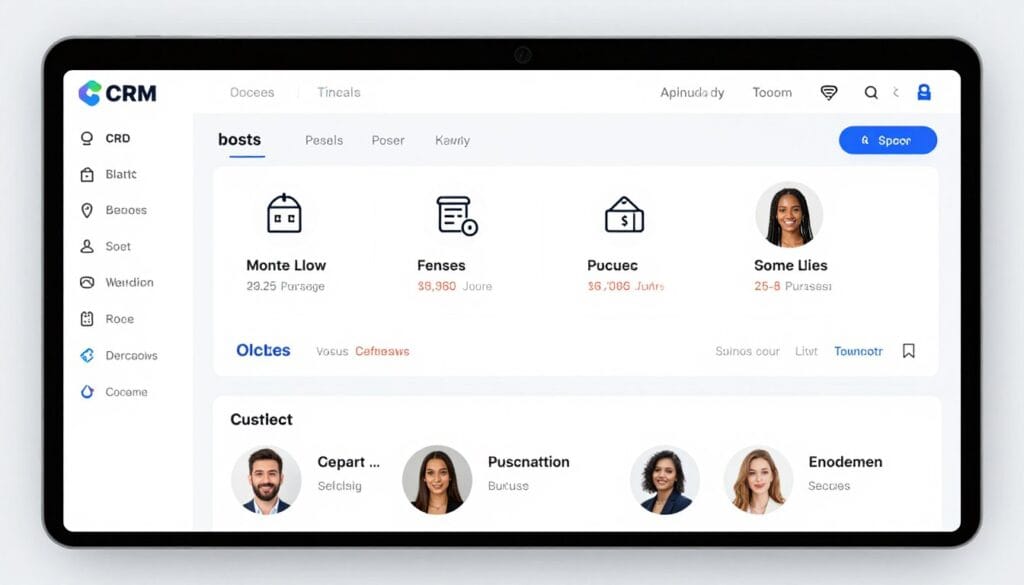
You need a robust CRM system as your foundation for creating unified customer views. This technology consolidates every interaction, purchase history, and preference into one accessible database. Your teams can then leverage these systems to provide personalized service at every touchpoint.
Your CRM should integrate seamlessly with your other systems to provide complete context. This gives your sales and marketing teams the data they need to help customers effectively. It ensures that no detail is missed, regardless of which channel the buyer is using.
Enterprise Resource Planning (ERP) Platforms
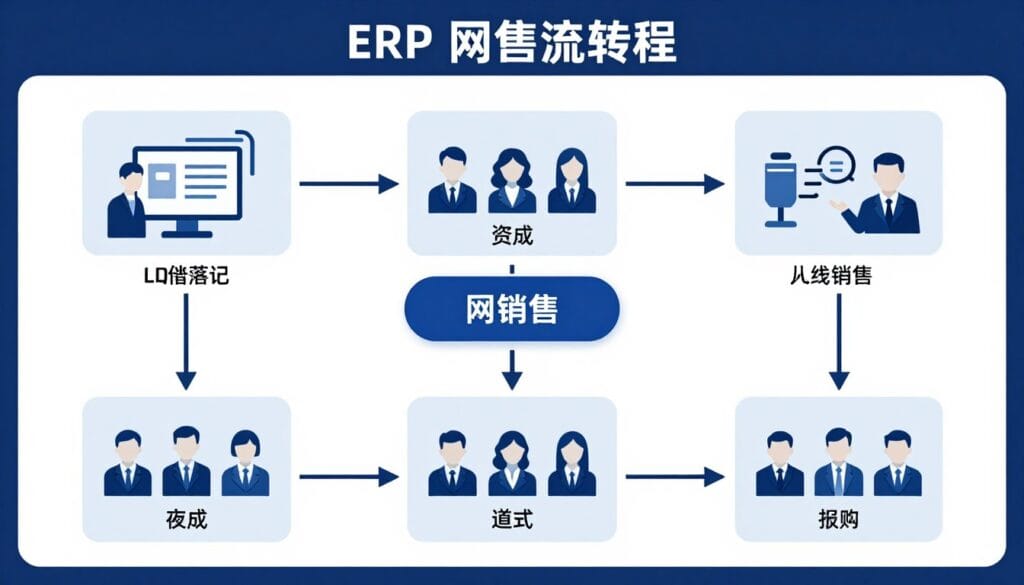
ERP platforms serve as the central nervous system of your omnichannel operation. They unify your sales channels, financial tools, and management resources into one cohesive platform. This eliminates the need for complex custom integration between disparate software programs.
You should look for an ERP that offers real-time inventory monitoring across all locations. These platforms should also include integrated payment processing to simplify your daily operations. A flexible system allows your business to scale and grow without technical bottlenecks.
Inventory Management and Order Fulfillment Systems
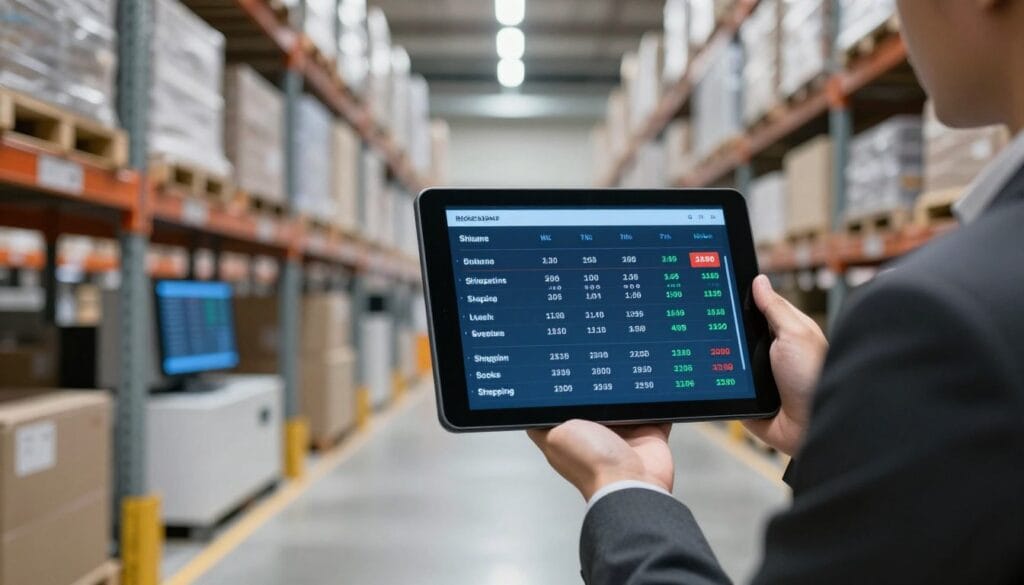
These systems provide the real-time visibility you absolutely must have to satisfy modern buyers. They track accurate stock levels across warehouses and physical stores with automated updates. This management software ensures you never sell an item that is out of stock.
Advanced systems enable features like buy-online-pickup-in-store (BOPIS) and ship-from-store. They also include automated reorder triggers to keep your shelves full. This level of automation allows you to optimize fulfillment based on real-time demand patterns.
Customer Data Platforms and Analytics Tools
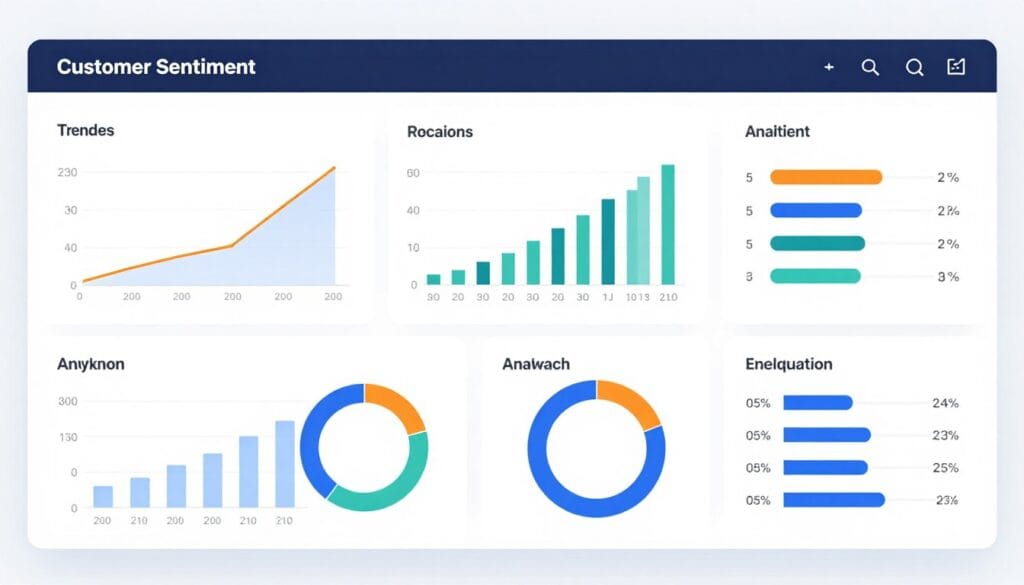
Customer data platforms (CDP) and analytics tools help you consolidate data from all your digital sources. You can use these tools to reveal deep behavioral patterns and hidden buyer preferences. This information is data that helps you make smarter business decisions every day.
Cloud-based platforms allow you to monitor conversations and identify customer intent in real-time. This data ensures you stay ahead of market shifts and changing consumer needs. Using a unified platform keeps your strategy focused and your growth consistent.
Leveraging Mobile Technology to Bridge Online and Offline Shopping
Bridging the gap between physical and digital worlds requires a strategic focus on the devices already in your customers‘ pockets. Your technology stack must treat mobile as the primary link for an online offline strategy. This approach creates a cohesive environment where shoppers move freely between screens and shelves.
Mobile Wallets and Digital Loyalty Passes: 65% Adoption Rate
You are witnessing a massive shift in how people pay and track rewards. Recent data shows that 65% of US adults used a digital wallet within the last month. For the 18-26 age group, a staggering 91% used these wallets as their primary payment way in 2023.
Mobile wallets allow you to put your brand directly into a user’s pocket. By displaying loyalty data like point balances on a digital pass, you reduce friction. This simple integration often leads to a 22% increase in new program sign-ups.
Location-Based Push Notifications to Drive Foot Traffic
Connecting with a customer at the right moment is essential for driving foot traffic. Approximately 71% of shoppers aged 18-34 see the benefit of receiving push notifications about offers when they are near a physical location. This creates a localized experience that feels helpful rather than intrusive.
Mobile Apps as the Central Hub for Customer Engagement
Your mobile app serves as the heart of your channel strategy. It should integrate social media feeds to keep the experience fresh and interactive. When users see social media trends in your app, they are more likely to visit your physical locations.
Maintaining active social media connections through the app ensures your brand stays top-of-mind. A well-designed app helps every customer track orders and access exclusive content. This builds a stronger bond with customers who value convenience.
QR Codes for Seamless In-Store Point Redemption
Fumbling for physical cards is a thing of the past for the modern customer. You can use QR codes on digital passes to allow for instant reward scanning at the store register. This method has resulted in an incredible 116% increase in in-store points redemption.
The integration of mobile loyalty passes effectively removes the barriers between digital browsing and physical purchasing.
By simplifying the process, you improve the overall level of customer satisfaction. Providing a unified channel for rewards ensures that customers feel valued regardless of where they shop. Using smart mobile tools turns a simple transaction into a lasting relationship.
| Metric Type | Traditional Method | Mobile Wallet Pass | Growth Impact |
|---|---|---|---|
| Loyalty Sign-ups | Manual Entry | Digital Integration | 22% Increase |
| In-Store Redemption | Physical Cards | QR Code Scan | 116% Increase |
| User Preference (18-34) | Low Interest | 64% Prefer Mobile | High Adoption |
| Engagement Rate | Static | Real-time Balance | 12% Higher |
Building and Scaling Customer Loyalty Programs Across Channels
Scaling a brand in the digital age means creating a loyalty experience that feels as natural in-store as it does on a smartphone. You must move beyond basic discounts and focus on building deep connections with your customers.
By integrating every touchpoint, you ensure that your most devoted fans feel recognized whether they are browsing a physical shelf or a mobile app. This unified approach transforms a simple transaction into a lasting customer experience.
Creating Unified Loyalty Programs with Omnichannel Point Systems
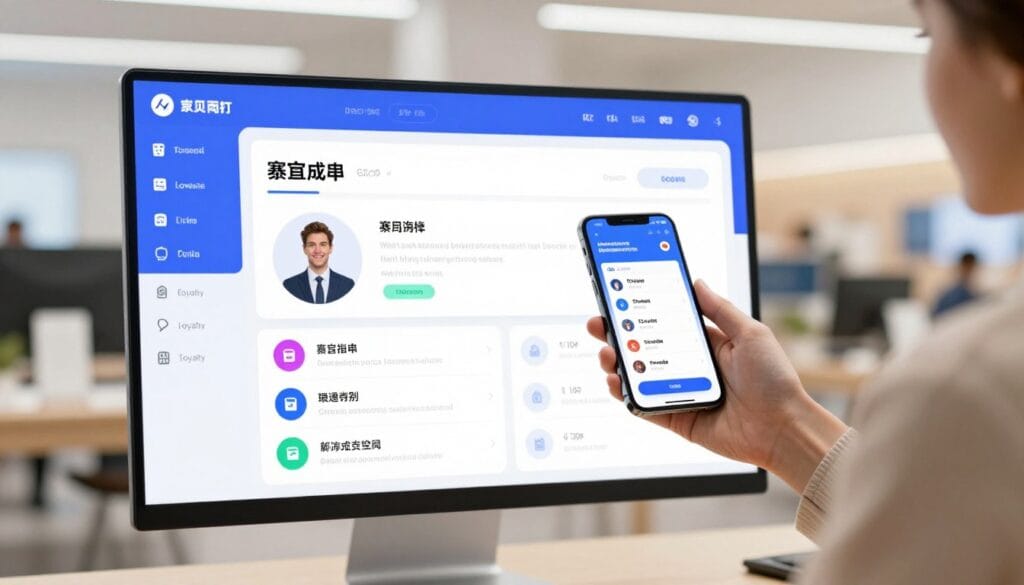
A true omnichannel platform like Yotpo Loyalty, which powers over 24,000 programs, allows your customers to earn and redeem points seamlessly. Fragmented rewards drive people away, so you need a system that works across channels without friction.
You can offer over 20 reward types, from VIP tiers to gamified challenges that keep engagement high. With no-code tools, you can easily tailor the customer experience to match your unique brand identity.
Integrating Customer Reviews Across All Platforms
Customer reviews provide the essential social proof that drives conversions in every channel. You should encourage users to submit reviews enriched with photos, videos, and detailed product insights to help others decide.
When you display these online reviews in-store via tablets or QR codes, you bridge the gap between digital trust and physical shopping. Syndicating this content across multiple social sites and search engines maximizes your reach and builds authority.
Personalized Rewards Based on Cross-Channel Behavior
Advanced segmentation allows you to personalize rewards based on 44+ different customer attributes. You can identify who browses online but buys in-person, allowing you to send targeted offers that drive foot traffic.
Rewarding specific actions across channels shows you truly understand your audience’s habits. This level of personalization often leads to a 116% increase in in-store point redemption and higher lifetime value.
Turning Customers into Brand Advocates Through Referral Programs
Referral programs built into your loyalty system create organic growth by rewarding customers for sharing your products. Make it simple for them to refer friends through automated SMS links or social media sharing.
By offering bonuses to both the referrer and the referee, you build a community of advocates. These advocates are your most valuable asset, helping you scale your business through customer trust and word-of-mouth marketing.
Best Practices and Real-World Success Stories
While theories are great, seeing an omnichannel strategy in action helps you understand how to win over your customers. Real-world success hinges on creating a seamless flow across all digital and physical touchpoints. If the journey feels disjointed, you risk losing the customer forever.
Recent data from ServiceNow and Dell Technology highlights this risk clearly. They found that 62% of consumers turn away from a business after just one unpleasant interaction. To stay competitive, you must ensure your brand remains consistent every time someone interacts with you.
Disney: Integrating Theme Parks with Digital Experiences
Disney provides a masterclass in the omnichannel realm by blending their theme parks with ecommerce and mobile tools. Guests use a single app to plan trips, book dining, and even unlock their hotel rooms. This creates a magical experience that keeps the customer engaged before, during, and after their visit.
“Disney’s strategy demonstrates how physical and digital touchpoints can enhance each other—the mobile app enriches the in-park experience with real-time wait times.”
Canyon Coolers: Connecting 500 Storefronts with Online Retail
Canyon Coolers proves that smaller names can also dominate the retail landscape. They successfully link their online store with 500 physical storefronts. This allows a customer to browse a full catalog online and then decide whether to buy immediately or visit a local shop.
By syncing inventory in real-time, they ensure that what you see online is exactly what you find in person. This transparency builds brand trust and reduces the friction of modern shopping.
Key Performance Metrics to Track Omnichannel Success
To ensure your strategy stays on target, you must track specific data across all channels. Monitoring sales by channel helps you see where your omnichannel efforts are paying off the most. Use these insights to refine your approach and boost your overall conversion rates.
| Metric Type | Focus Area | Business Impact |
|---|---|---|
| Retention Rate | Loyalty | Measures long-term sales health. |
| Cross-Channel Behavior | Integration | Shows how channels work together. |
| Satisfaction Score | Quality | Reduces churn from bad experiences. |
Actionable Takeaways from Leading Omnichannel Brands
Success leaves clues, and the best brand leaders share common habits. They prioritize mobile-first designs and invest heavily in unified data systems. By following their lead, you can build a strategy that respects your customers and their time.
- Map the Journey: Start by identifying every way customers find your retail shop.
- Empower Your Team: Give employees access to full interaction histories so they can provide better help.
- Test and Learn: Roll out new features to small groups first to catch any bugs early.
- Stay Consistent: Ensure your voice and messaging remain the same whether on social media or in person.
Conclusion
This comprehensive roadmap has equipped you with the tools to dominate the shifting landscape of modern retail. The omnichannel revolution is happening right now, rather than in the distant future. Delaying your omnichannel strategy puts your business at risk of falling behind competitors who already leverage integrated systems.
Modern customers have made their preferences clear by demanding a unified experience across every touchpoint. Data proves that these customers spend more and deliver a 30% higher lifetime value than those using single channels. Success requires a relentless focus on the buyer while selecting the right technical foundation.
A successful strategy relies on three critical pillars:
- Unified technology that connects all your existing systems.
- Centralized data to provide a complete view of every shopper.
- Organizational alignment to break down old departmental silos.
This guide provided the step-by-step path to move forward and grow. You now know how to map the customer journey and synchronize all your sales channels effectively. By using mobile technology as a bridge, you create the seamless connections that drive both digital and in-store traffic.
Your ecommerce success depends on acting today to build a personalized experience for every visitor. Use these insights to turn first-time buyers into loyal advocates who choose your brand consistently. Focusing on the customer during this transformation will ensure your long-term growth in a competitive market.


 By
By