


In the digital age, managing wealth means becoming your own bank. This shift offers freedom but places total responsibility on you to protect your digital assets. Unlike traditional banks, the crypto world has no safety net or deposit insurance.
Consider the story of James Howells, who accidentally threw away a hard drive containing his wallet. He lost 8,000 bitcoin now worth a fortune. This tragedy highlights why security is vital for any long-term investment.
Properly managing your private keys prevents permanent financial loss. Whether you use hardware or software wallets, constant vigilance is your best defense. You must understand that mistakes in this space are often irreversible.
Modern crypto holders must balance convenience with high protection. Even a small cryptocurrency portfolio needs a robust wallet setup. A secure wallet defends against hackers and malware that target every crypto user.
You must treat your digital assets with the same care as physical cash. Since crypto transactions cannot be undone, your wallets must remain locked and private. Proactive measures help you protect your cryptocurrency assets and crypto holdings from human error.
Key Takeaways
- Investors act as their own bank and carry all security risks.
- Losses in the digital finance space are permanent and irreversible.
- Private keys are the only way to access and move your funds.
- Effective protection requires a balance between convenience and safety.
- Every portfolio size needs professional-grade defense mechanisms.
- Regular vigilance protects you from hackers, malware, and physical loss.
Understanding Cryptocurrency Security Risks
Protecting your digital wealth starts with a clear view of the dangers lurking in the decentralized world. Many investors assume their digital assets have the same protections as a traditional savings account. However, the unique nature of the crypto market requires a shift in how you view safety.
Individual investors must navigate a landscape filled with both technical and human vulnerabilities. Realizing these threats early helps you build a more resilient defense for your digital portfolio. Without a solid plan, your journey into the world of crypto could end in financial disaster.
The High Stakes of Crypto Ownership
The price of a single mistake in the blockchain space can be absolutely astronomical. For example, James Howells famously threw away a hard drive containing 8,000 bitcoin over a decade ago. This simple error led to a permanent loss of assets that eventually grew to be worth nearly $1 billion.
Unlike physical items you can replace, digital funds often vanish forever when the storage medium is destroyed. Hardware can break, suffer water damage, or simply get lost during a move. In this environment, irreversible consequences are the norm rather than the exception for every investor.
The decentralized nature of blockchain means there is no “Forgot Password” button for your private keys. Once you lose access to the storage device, the assets are gone from the circulating supply forever.
Common Ways Cryptocurrency is Lost or Stolen
Cybercriminals constantly develop new methods to orchestrate the theft of digital assets. They use sophisticated phishing scams to trick users into revealing their sensitive login credentials or seed phrases. Malware can also infect a computer to swap out addresses during a transaction, sending your funds to a criminal.
Even if you avoid scams, technical failures remain a significant threat to your wallet. Centralized exchanges are frequent targets for high-level hacking attempts that can drain thousands of accounts at once. Human error, such as forgetting a password or discarding an old wallet, remains one of the leading causes of asset disappearance.
Why You Are Your Own Bank: No Deposit Insurance
When you hold digital assets, you essentially become your own bank. Traditional accounts in the United States usually benefit from FDIC insurance or SIPC protection. These agencies protect your money if a financial institution fails or suffers a major security breach.
No such safety net exists for any cryptocurrency you hold on your own or on most trading platforms. If a hacker drains your account, there is no government authority that will reimburse your lost value. You must accept that you alone carry the full responsibility for every satoshi in your possession.
Single Points of Failure in Crypto Security
A single point of failure represents a critical risk where one weak link can destroy your entire investment. Relying on just one physical wallet or keeping your backup phrase in only one location creates a dangerous situation. If a house fire or flood destroys that single item, your crypto is lost forever.
Vulnerabilities also appear when you use the same password for multiple services or ignore software updates. Managing multiple wallets and redundant backups is the only way to avoid a total wipeout. Diversification of your storage methods ensures that one accident does not lead to a complete financial loss.
| Feature | Traditional Banking | Cryptocurrency |
|---|---|---|
| Insurance | FDIC/SIPC Protected | No Government Insurance |
| Transaction Control | Bank can reverse charges | All transfers are final |
| Error Recovery | Customer service assistance | User is solely responsible |
| Custody Type | Third-party managed | Self-custody or Private |
Crypto Wallet Fundamentals: Keys and Storage Explained
The term “wallet” is a bit confusing when you learn how digital assets work. Most people assume a wallet holds coins like a physical purse holds cash. In reality, your cryptocurrency exists only as data on a public ledger called the blockchain.
Understanding this distinction is the first step toward better security. You are not protecting a file or a physical coin. Instead, you are protecting the mathematical proofs that let you move those assets.
How Cryptocurrency Wallets Actually Work
A crypto wallet is a tool that stores the digital keys used to manage your wealth. These wallets do not store money directly on your phone or computer. Instead, they interact with the blockchain to show your balance and manage transactions.
When you want to send money, the software uses your stored data to sign the request. This process proves to the network that you have the authority to move the funds.
Public Keys: Your Crypto Address
You can think of a public key like an email address or a bank account number. You share this public key with others so they can send you crypto. It tells the network where to send the funds without giving anyone else control over your account.
Private Keys: The Password to Your Funds
A private key is much more sensitive than an address because it acts as your digital signature. This secret key allows you to spend your coins or move them to other wallets. Because private keys provide total access, you must keep them safe from hackers.
| Feature | Public Key | Private Key |
|---|---|---|
| Primary Purpose | Receiving funds | Authorizing transfers |
| Visibility | Shared with others | Strictly secret |
| Digital Analogy | Account number | Digital signature |
How Blockchain Storage Differs from Physical Wallets
Unlike a physical object, your digital assets stay on a decentralized network at all times. If you lose your keys, the cryptocurrency is still there, but you can never touch it again. This is why keeping your crypto safe is really about protecting the information that grants you access.
“Your keys, your crypto. Not your keys, not your crypto.”
Choosing the Right Wallet Type for Your Security Needs
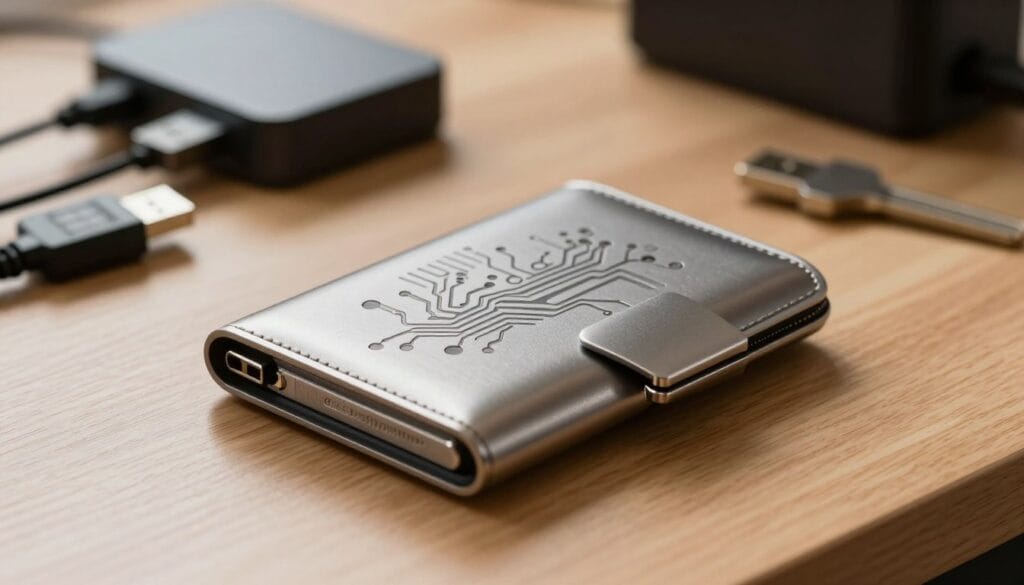
Diversifying how you hold your digital wealth starts with understanding the different categories of storage available today. Each of the available wallets offers a unique blend of safety and speed. Every investor must decide which types offer the best defense for their financial goals.
The choice between convenience and protection is a constant theme in the world of digital finance. Active traders may prioritize speed, while long-term savers often focus on defense. Understanding these trade-offs is essential for any modern investor.
Hot Wallets: Internet-Connected Convenience
These are software applications that remain a connected internet tool on devices like phones or laptops. Because hot wallets are always online, they provide instant access to markets. This makes them perfect for people who trade frequently or use decentralized apps.
However, this constant connection comes with a higher chance of digital theft. Malicious software and phishing attacks often target these online applications. You should only keep a small amount of funds in this format for daily needs.
Cold Wallets: Offline Storage for Maximum Protection
For long-term holders, cold wallets serve as the gold standard for security. These physical devices keep private keys entirely offline and away from potential hackers. Even if your computer is compromised, your assets remain safe inside the hardware.
While a cold wallet is very safe, it is less convenient for daily trading. Moving funds requires physical interaction with the device, which adds a layer of manual effort. It is the best wallet for protecting the majority of your savings.
Warm Wallets: Balancing Security and Accessibility
A warm wallet acts as a middle ground between the speed of hot wallets and the safety of cold wallets. They stay online but require manual steps, like offline two-factor authentication, to move crypto. This hybrid approach helps reduce the threat of automated attacks.
These wallets are gaining popularity among semi-active investors who need both safety and mobility. By requiring a human to authorize each move, they provide a much-needed safety net. They offer a smarter way to manage medium-sized holdings.
Custodial Wallets: Third-Party Control and Risks
Many beginners start with a custodial wallet provided by a popular exchange. In this setup, a third party holds your private keys and manages the technical side of things. This means you do not have to worry about losing your backup phrases.
However, this convenience introduces a significant risk if the company faces a hack or insolvency. If the exchange fails, you may lose access to all your funds. “Not your keys, not your coins” is a common warning used in the community.
Self-Custody Wallets: Full Control and Responsibility
In contrast, self-custody types put the owner in total control of their assets. You are the only person who can authorize a transaction for your crypto. This removes the danger of a third-party company losing your money.
This responsibility means you must keep your backups safe from physical loss or damage. If you lose your recovery phrase, no one can help you get your money back. It is the most private and secure way to hold your digital wealth.
| Wallet Type | Connection | Best For | Primary Control |
|---|---|---|---|
| Hot Wallets | Connected internet | Daily trading | User |
| Cold Wallets | Offline storage | Large crypto amounts | User |
| Warm Wallets | Hybrid | Semi-active use | User + 2FA |
| Custodial Wallet | Online | New users | Exchange |
| Cold Wallet (Paper) | Offline | Long-term crypto | User |
How to Secure Your Cryptocurrency Using Hardware Wallets
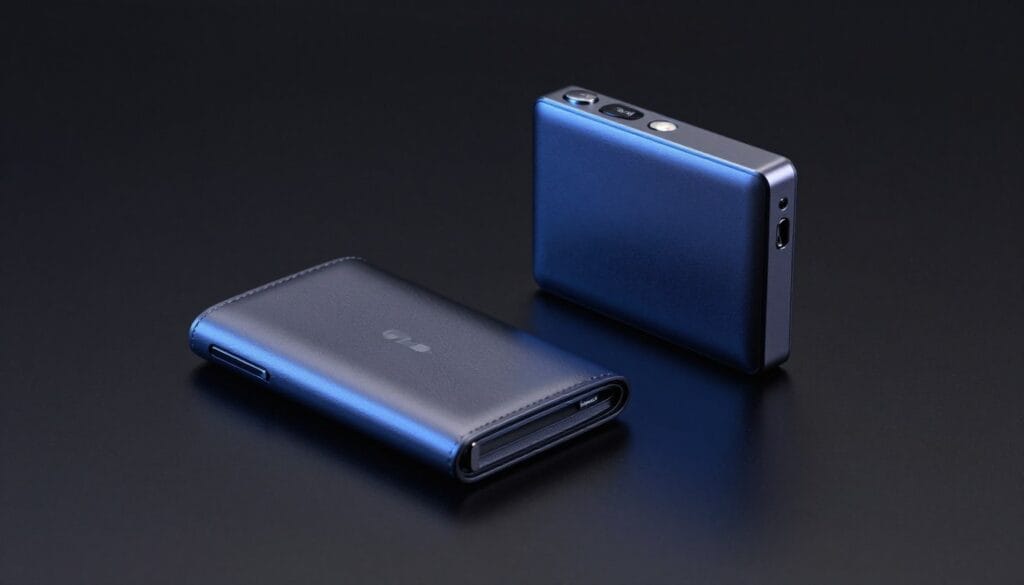
When it comes to long-term storage, hardware wallets offer a robust defense that software cannot match. These physical devices are designed from the ground up to be hardware tools that perform only one task. Because they lack a full operating system, they remain very secure against common computer vulnerabilities.
Most hardware wallets function by keeping your sensitive information isolated. This design ensures that hackers cannot reach your funds through an internet connection. Using these devices is the best way to act as your own bank without constant fear of digital theft.
Why Hardware Wallets Provide Superior Security
These specialized tools hold your private keys offline at all times. This means your crypto remains safe even if your laptop has a virus. By acting as a cold wallet, the wallet provides the best balance between very high security and ease of use.
Transactions are signed internally on the device. Your secret keys never leave the cold wallet, even when you plug it into a computer. This isolation is what makes a cold wallet much safer than any mobile app or desktop software.
Selecting Trusted Hardware Wallet Manufacturers
You should only trust brands with a proven track record. Popular options include the Ledger Nano S, Ledger Nano X, and Trezor devices. These manufacturers have spent years refining their hardware to resist both physical and digital attacks.
Always buy your hardware wallet directly from the official manufacturer or a trusted vendor. Avoid third-party sellers on sites like eBay to ensure the hardware wallets have not been modified. Investing in a legitimate hardware wallet is the most important step for any crypto holder.
Verifying Your Device Upon Arrival
When your hardware wallet arrives, check the packaging for any signs of tampering. Look for broken seals or suspicious stickers on the box. Most hardware wallets also allow you to verify the authenticity of the software inside the device during the initial setup.
Never use a device that comes with a pre-written recovery sheet or a PIN already set up. A genuine hardware setup will ask you to generate your own seed phrase. If anything looks wrong, contact the manufacturer immediately before sending any crypto to the wallet.
Storing Your Hardware Wallet in Secure Physical Locations
While these devices protect you from digital theft, you must still guard against physical loss. Store your hardware wallet in a home safe or a bank safe-deposit box. This prevents someone from simply walking away with your physical wallet.
Remember that the device is just a key to your funds on the blockchain. If you lose the hardware wallet, you can still recover your crypto using a backup seed phrase. Strong physical protection and a safe backup plan are essential for every investor.
Implementing Essential Security Measures
Robust defense for your digital wealth starts by applying standard security protocols across all accounts. These foundational habits serve as your first line of defense against common threats. By establishing a solid baseline, you protect your assets before exploring more complex storage solutions.
Creating Strong Passwords with Password Managers
Securing cryptocurrency starts with very strong passwords that remain unique to every account. You should use a password that is at least 16 characters long. Ensure it contains a mix of letters, numbers, and punctuation marks to maximize its strength.
Dedicated password manager software is the most secure way to generate and store these complex strings. These programs eliminate the need to memorize dozens of phrases while keeping your credentials encrypted. Using a reputable password generator ensures that your login details are nearly impossible for hackers to guess.
Setting Up Two-Factor Authentication
Layering your defense is vital for any crypto investor. You must enable two-factor authentication on every exchange and email account you use. This adds a second step to the login process, requiring more than just your password to gain entry.
Avoid using SMS or email for these codes, as these methods are vulnerable to interception. Instead, use a mobile authentication app to generate time-sensitive codes. This practice significantly reduces the risk of unauthorized access even if your credentials are leaked.
Using Hardware 2FA Keys for Enhanced Protection
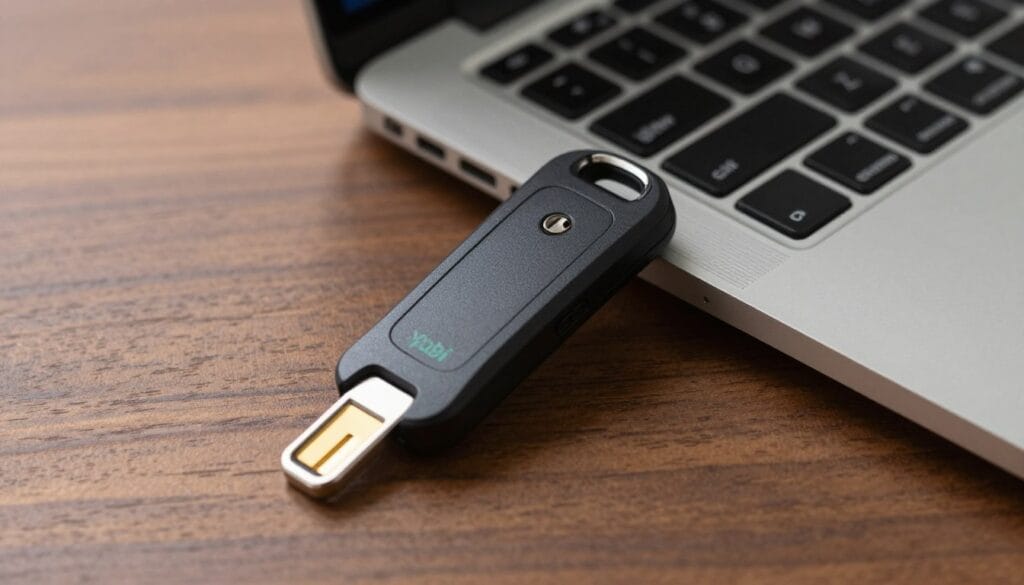
For those seeking the highest level of two-factor authentication, hardware keys are the gold standard. A dedicated device, such as a YubiKey, makes authentication possible only through physical possession. It is extremely difficult for a remote attacker to bypass this physical barrier.
Using a physical key protects your crypto accounts from sophisticated remote attacks. Even if a hacker steals your password, they cannot enter your account without the physical device. This tool represents a major upgrade over traditional mobile apps.
Recognizing and Avoiding Phishing Scams
Cybercriminals often use fake emails and websites to trick users into revealing sensitive data. You must stay vigilant against these phishing attempts, which often mimic official wallet providers or exchanges. Always verify the legitimacy of any message before you click a link or enter a password.
Never share your private keys or seed phrases on any website. Real cryptocurrency companies will never ask for this information through email or social media. Strong skepticism is your best tool when navigating the digital landscape.
Keeping All Software and Firmware Updated
Regularly update your computer, smartphone, and wallet applications to stay ahead of threats. These software updates often contain critical patches that fix newly discovered vulnerabilities. Neglecting these updates leaves a door open for malware to exploit your system.
Ensure your computer operating system is always running the latest version. Modern two-factor authentication and security features rely on these updates to function correctly. Keeping all related software current is a simple but effective way to maintain a hardened defense.
Advanced Protection: Seed Phrases and Backup Strategies
Your journey toward ultimate security begins with understanding the power of a seed phrase. This simple list of words acts as the master key for your digital wealth. It is the most critical component of any recovery plan.
Understanding Seed Phrases and BIP-39 Protocol
A seed phrase consists of 12 to 24 human-readable words. This list uses the BIP-39 protocol to convert words into a complex private key. This standard allows you to access your funds regardless of the specific device you use.
If your hardware device breaks, the seed phrase lets you regenerate your original keys instantly. Any device that supports BIP-39 can use this seed to restore your crypto assets. It serves as a universal master password for your blockchain holdings.
Properly Storing Seed Phrases Offline
You should write your seed words on a durable piece of paper or an engraved metal plate. Never take a photo of these words or save them in a cloud service. Digital copies are extremely vulnerable to hackers and remote malware.
Keep this physical record in a waterproof and fireproof place. Storing your seed information offline prevents bad actors from reaching your funds through the internet. Physical isolation is your best defense against cyber threats.
The seed phrase is your ultimate lifeline; treat it with more care than the physical device itself.
Creating Encrypted Backups of Your Wallets
Creating a secondary backup on an encrypted drive adds another layer of safety for your wallets. This local storage ensures you have a digital copy that remains disconnected from the web. You must ensure the drive remains air-gapped to prevent network exposure.
Always use strong encryption so no one can view the private key data without a password. Testing your backup regularly confirms the data is still valid. This ensures your software wallets remain recoverable even if your computer fails.
Using Multiple Secure Locations for Redundancy
Storing your seed phrase in only one place creates a single point of failure. You can split the phrase into parts and keep them in separate, geographically distant locations. This strategy protects your crypto if one home faces a fire or flood.
Using a mix of paper copies and offline media like USB drives reduces the risk of total loss. Redundancy ensures that a single accident does not result in the permanent loss of your seed. Diversifying your recovery methods is a hallmark of professional asset management.
Making Regular Backups Part of Your Routine
Establishing a routine ensures your wallet information is always current. While modern hierarchical deterministic wallets often need only a one-time seed setup, checking your physical storage is vital. You should verify that your metal or paper records are still legible and intact.
Consistency is the secret to maintaining a secure crypto environment. Update your secondary backup files if you create new accounts or addresses. This habit provides peace of mind that your wallet remains accessible during any emergency.
| Backup Method | Durability | Security Focus |
|---|---|---|
| Hand-written Paper | Moderate | Total Offline Isolation |
| Engraved Metal Plate | Very High | Fire and Water Resistance |
| Encrypted USB Drive | Medium | Secure Digital Redundancy |
Advanced Security Techniques for High-Value Holdings
Protecting significant crypto holdings involves using specialized methods that eliminate single points of failure. For serious investors, security is often more important than day-to-day convenience. These advanced techniques add necessary layers of protection to your funds.
Distributing Assets Across Multiple Wallets
You should avoid keeping all your wealth in one place. Long-term holders often spread their crypto across several wallets and different blockchain addresses. This strategy ensures that even if one device is lost or compromised, you do not lose your entire portfolio.
Implementing Multi-Signature Wallets
Multi-signature (multi-sig) wallets require more than one key to approve a transaction. This setup is common for businesses or families who need to share funds safely. It prevents a single compromised wallet from leading to a total loss of assets.
Using Biometric Authentication Methods for Access
Modern hardware offers biometric access like fingerprints or facial recognition. These features add a unique physical layer of security to your crypto storage. It makes unauthorized use much harder, even if a thief steals your physical device.
Limiting Exposure in Hot Wallets
A hot wallet is any storage connected internet. You should only keep small amounts for daily transactions in a hot wallet. Move the majority of your assets to cold storage to minimize the risks. Using a hot wallet for high-value storage is a dangerous practice for long-term investors.
| Storage Type | Best Use Case | Risk Level |
|---|---|---|
| Hot Wallet | Daily Trading | High |
| Cold Storage | Long-term Savings | Low |
| Multi-Sig | Institutional Assets | Minimal |
Offline Transaction Signing for Maximum Security
This method uses two computers to sign a transaction safely. One computer stays completely offline to sign the data, while the other handles the online transaction request. This “air-gapped” approach ensures your private keys never touch the web.
Tools like Armory can help you manage this complex process. By keeping your main wallet offline, you protect yourself from hackers and malware. Follow these steps for the best results:
- Create an unsigned transaction on an online computer.
- Transfer the file to an offline computer via USB.
- Sign the file and move it back to broadcast it.
Tailoring Security to Your Investment Strategy
Choosing the right defense for your digital wealth depends heavily on your specific trading habits and financial goals. Every investor has a unique risk profile that dictates their individual security needs. You must balance quick access to markets with the need for robust, long-term storage solutions.
Security Setup for Active Traders
Active traders often prioritize speed and ease of use for their daily market moves. They frequently keep their crypto in a custodial wallet on a major exchange for immediate convenience. To stay safe, these users should use hardware 2FA keys rather than risky SMS codes. If you worry about a specific exchange hack, choose platforms with high-level insurance protections.
Protection Strategies for Semi-Active Investors
Investors with a significant investment usually move their funds to cold wallets for better protection. This method shields their cryptocurrency from online malware and remote hacking attempts. These individuals should also maintain encrypted backups and keep seed phrases in a private, offline location. This approach balances accessibility with a high level of technical safety.
Maximum Security for Long-Term Holders and Large Portfolios
For those with massive holdings, basic protection is never sufficient for long-term safety. These individuals often use multi-signature setups to prevent any single point of failure. Offline storage for these high-value assets should include geographically dispersed backups to guard against physical theft. This ensures that no single disaster can wipe out your entire portfolio.
Institutional-Grade Security Approaches
Institutions treat their crypto with the same care as physical gold or cash reserves. They often store protected seed phrases in bank safe-deposit boxes across multiple cities. This level of investment protection ensures that the cryptocurrency stays safe even during major regional disasters. Your crypto strategy must continue to evolve as your total wealth grows over time.
| Strategy | Primary Platform | Main Priority |
|---|---|---|
| Frequent Trading | Trading exchange | crypto Liquidity |
| Large Investment | Institutional exchange | cryptocurrency Safety |
| Long-term Hold | Hardware wallets | Secure wallet |
Estate Planning and Crypto Inheritance
Proper estate planning for your digital assets prevents your wealth from disappearing into the blockchain forever. Unlike a traditional bank, no central authority can reset your password or grant entry to your heirs. You must take proactive steps today to ensure your legacy remains intact for your loved ones.
Creating a Recovery Plan for Your Family
Your family needs a clear roadmap to manage your funds if you are no longer there to guide them. Without a specific plan, your crypto holdings will remain locked in the digital void indefinitely. Providing legal access is the only way to guarantee your beneficiaries receive their intended support.
Documenting Access Without Compromising Security
Safely record the location of your hardware wallet and your private keys in a physical format. Store this sensitive information in a secure place such as a safety deposit box or with a trusted attorney.
Remember to review and update these documents every few years as your portfolio and technology evolve. Ensure your hardware wallet firmware stays updated so your heirs do not face technical barriers during recovery.
Using Crypto Inheritance Services
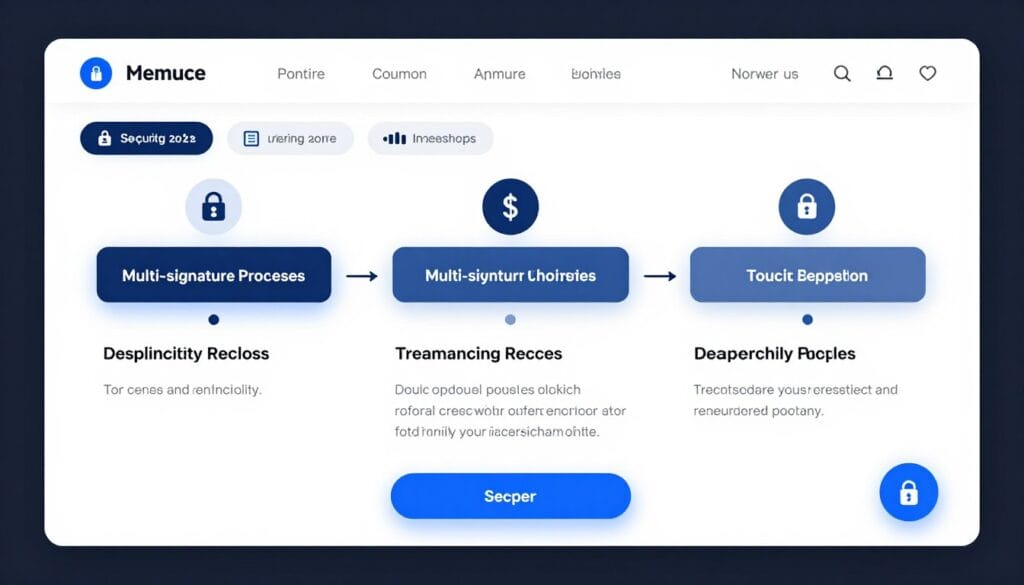
Modern cryptocurrency inheritance planning services offer automated solutions for passing on your crypto wealth. These platforms can securely hold encrypted information and release your private keys only when specific conditions are verified.
Using cryptocurrency inheritance planning services ensures a smooth transition of assets over the years. These structured approaches provide peace of mind while keeping your assets protected from unauthorized use during your lifetime.
Conclusion
Managing digital wealth safely is a continuous process of learning and adapting to new risks. Protecting your crypto assets requires constant attention and a commitment to best practices.
Since there are no safety nets or authorities to help you, you must accept full responsibility for your money. There is no single way to guarantee total security for your cryptocurrency.
Instead, you should combine different wallets and storage methods to build a layered defense. This approach helps protect your private keys from evolving digital threats and potential human error.
The best way to keep a wallet safe involves balancing daily convenience with personal effort. You should evaluate your portfolio size and trading frequency to find the right way to store your assets.
Effective protection is never one-size-fits-all but must be tailored to your specific needs. Stay informed about new information regarding crypto vulnerabilities to stay one step ahead of scammers.
Take a moment today to review your current security setup for any weaknesses. Regularly updating your information and moving significant money to cold storage is the smartest way to manage crypto.
Vigilance is your most powerful tool in keeping your assets safe for the long term. By implementing these protections, you make ownership of crypto manageable and safe.
Your effort ensures that your wallets remain secure as the crypto market grows. Taking these proactive steps helps you protect your personal funds and invest with complete confidence in the future.

 By
By