


The market for unique tokens on the blockchain has changed significantly. This resource helps you navigate the modern landscape of high-value digital assets. After a major market correction, the sector is showing a strong, data-driven revival for collectors in 2026.
Strategic investors now look past the old speculative hype of early projects. This article explains how to build a strong portfolio using verifiable market data. You can choose to buy a specific nft or gain exposure through publicly traded companies.
Success requires a professional approach and a very firm risk management plan. This comprehensive guide offers the exact steps needed to manage your investment wisely today. We focus on real utility and the current role of nfts in the global economy.
Key Takeaways
- Understand the transition from speculative hype to utility-driven value in the digital space.
- Learn the core differences between direct token ownership and indirect stock exposure.
- Develop a robust risk framework to manage the inherent volatility of blockchain networks.
- Identify how artificial intelligence is currently reshaping the digital collector market.
- Utilize verifiable market data to make informed financial decisions rather than following trends.
- Explore the strategic integration of nfts into a diversified modern portfolio.
Understanding NFTs and How They Work in 2026
Navigating the digital landscape in 2026 requires a firm grasp of the technology powering modern assets. These assets have redefined how we perceive value and ownership in the virtual world. By establishing a clear record of digital property, they solve the problem of infinite copying.
What Are Non-Fungible Tokens (NFTs)?
An nft is a unique digital asset that represents specific property rights on a decentralized ledger. Unlike a standard token, each one features a programmed signature that prevents it from being swapped for another identical unit. This uniqueness allows creators to sell digital art, videos, and even in-game items with verified scarcity.
Investors often view these nfts as the building blocks of a new internet economy. By using these tokens, individuals can claim true ownership of a file rather than just holding a copy. This shift enables digital assets to hold value based on their singular nature and cultural significance.
How NFT Blockchain Technology Functions
The primary engine behind this movement is the blockchain, a decentralized network that records every transaction history. Most projects reside on the Ethereum network, which functions as a transparent peer-to-peer database. This system ensures that ownership remains permanent without needing a central bank or government oversight.
Every nft undergoes a minting process to enter the digital market officially. During this stage, a smart contract assigns the metadata and specific rules for the individual asset. These tokens then become verifiable, making it easy for any buyer to confirm the origin of the work. This transparency is the fundamental shift that makes digital property rights possible today.
NFTs vs Cryptocurrency: Key Differences
It is common to confuse an nft with a cryptocurrency, but they serve very different roles in the market. A crypto coin like Bitcoin is fungible, meaning one unit is exactly like another and holds the same value. In contrast, nfts are non-fungible and represent unique collectibles with values that vary wildly from one to the next.
The distinction between fungible and non-fungible assets is the cornerstone of modern digital finance.
You can use cryptocurrency as a medium of exchange to pay for goods or services. However, a digital token represents the specific item itself rather than functioning as a spendable currency. While both rely on blockchain security, the valuation of an nft depends mostly on desirability and rarity. Understanding that these are distinct categories helps investors avoid common misconceptions about the crypto market.
Adding unique digital tokens to your holdings can unlock distinct financial and cultural advantages in the modern era. As the digital economy grows, nfts offer opportunities that go beyond simple speculation. These tools allow you to interact with technology and finance in a combined way.
Why Invest in NFTs? Benefits and Opportunities
Many people view digital tokens as more than just a trend. They represent a shift in how we define ownership in a connected world. By exploring this market, you can find various ways to grow your wealth while engaging with creative communities.
Portfolio Diversification Through Digital Assets
One major benefit of this investment is how it balances your traditional stocks. Research shows that portfolios containing assets with low market correlation often see lower losses. Because digital tokens move differently than typical shares, they provide a safety net during standard market dips.
Adding variety to your holdings helps you stay stable when one sector fails. This approach allows you to capture growth in the tech sector without being tied to traditional company performance. It is a modern strategy for a changing financial landscape.
Collectibility and Cultural Value
Owning digital collectibles mirrors the feeling of holding a physical masterpiece or a rare vintage coin. These collections carry significant cultural value because they represent membership in exclusive online communities. Digital ownership provides a sense of belonging in the 2026 landscape.
Many people often enjoy participating in the art world while benefiting from blockchain-verified authenticity. You no longer need to worry about forged documents or lost certificates. The blockchain keeps a permanent record of who owns the piece and where it came from.
Supporting Artists and Creators Directly
Purchasing nfts allows you to fund creators without paying heavy fees to middleman galleries. Smart contracts ensure that creators receive direct pay for their work through automatic royalty systems. This gives power back to the people who actually make the work.
This setup helps new talent thrive in the digital space while giving investors a transparent way to track their holdings. You can see exactly where your money goes. Supporting creators directly builds a stronger and more vibrant market for everyone involved.
“The true value of digital tokens lies in the connection they build between the creator and the holder.”
| Benefit Category | Description | Key Advantage |
|---|---|---|
| Risk Management | Portfolio Diversification | Lowers overall market volatility |
| Personal Value | Cultural Significance | Grants access to digital communities |
| Financial Support | Direct Artist Funding | Removes expensive intermediaries |
NFT Investment Risks You Must Understand
Navigating the non-fungible token landscape successfully requires a deep dive into the unique hazards of this emerging asset class. Every investor should approach the nft market with a high degree of caution. While digital assets offer unique rewards, they also carry significant risks that can lead to total capital loss.
Even major players in the space acknowledge the extreme nature of these investments. To build a resilient portfolio, you must look past the hype and focus on the cold reality of market dynamics. High returns often come with a level of danger that exceeds traditional stocks.
“Investing in NFTs is even crazier than investing in crypto”
High Volatility and Price Fluctuations
Digital assets often experience extreme shifts in value. Unlike the traditional art market, which uses galleries to set prices, digital tokens rely heavily on social sentiment. Many collections have seen a price collapse of 60% to 90% in very short periods.
This volatility means that an asset worth thousands today could be worth very little tomorrow. Speculative demand drives much of the activity in the current climate. Without established pricing mechanisms, buyers are often left guessing about the true worth of their holdings.
Liquidity Challenges in the NFT Market
Liquidity is a major hurdle for anyone holding an nft. You cannot always sell these assets instantly like gold or shares. Sellers often face a forced buy-and-hold situation when willing buyers disappear during a downturn.
| Asset Type | Liquidity Level | Selling Process |
|---|---|---|
| Stocks | High | Instant Market Execution |
| NFT Assets | Low | Buyer-Dependent Negotiations |
| Physical Gold | Moderate | Dealer Buy-back |
You are only able to sell when someone else agrees on the price you set. This lack of instant cash-out potential makes them much riskier than traditional liquid assets. If you need money quickly, your digital collection might not be a reliable source of funds.
Environmental and Regulatory Concerns
The regulatory landscape remains uncertain as agencies evaluate how to categorize every nft. There is a lack of clarity regarding tax treatment and intellectual property rights across the globe. These legal risks could impact your ability to trade your assets in the market in the future.
Additionally, environmental impact remains a key talking point for many creators and collectors. While Ethereum’s move to proof-of-stake models reduced energy use, some blockchain systems still face criticism. Smart investors track these shifts to avoid an nft that might face future bans.
Managing these risks is vital for long-term success and capital preservation. You should never allocate money that you cannot afford to lose completely in this speculative area. Proper position sizing remains your best defense against sudden market shifts.
NFT Investment Guide for 2026: Two Main Approaches
The landscape of digital asset acquisition has matured into two primary strategies: direct acquisition and corporate backing. These paths allow participants to engage with the market based on their technical comfort and financial objectives. Each method provides a different level of control and risk.
Direct NFT Ownership Through Marketplaces
Direct ownership involves purchasing specific digital assets directly on a blockchain network. This nft investment strategy requires you to set up a secure crypto wallet and manage your own private keys. You must also understand “gas fees,” which are the costs for processing transactions on the network.
Using a specialized marketplace, you can buy unique art, virtual land, or gaming items. This way provides true ownership of the unique asset itself. However, it often involves lower liquidity, meaning it might take time to find a buyer when you are ready for trading.
Indirect Exposure via NFT Stocks
For those who prefer traditional finance, indirect nft exposure is a popular and accessible choice. This involves buying shares in publicly traded companies that build the digital infrastructure. Investors do not need a crypto wallet or technical knowledge of blockchain protocols to participate.
Publicly traded companies provide a regulated path to the nft sector through standard brokerage accounts. Some people prefer trading these stocks via CFDs to use leverage on price movements. This approach offers higher liquidity and fits easily into a diversified retirement portfolio.
Choosing the Right Approach for Your Goals
Choosing between these two paths depends on your personal situation and technical skills. Direct ownership offers high upside potential but comes with significant custody risks. In contrast, stocks provide a more stable, though perhaps less explosive, exposure to the nft market.
This guide suggests that a hybrid strategy might be the best fit for many modern portfolios. You can keep direct holdings for high-conviction projects while using stocks for broader sector growth. Always align your nft investment with your available capital and long-term time horizon.
| Feature | Direct NFT Ownership | NFT Stocks & Equity |
|---|---|---|
| Technical Need | Crypto Wallet & Keys | Brokerage Account |
| Liquidity Level | Low (Asset Dependent) | High (Market Hours) |
| Asset Type | Unique Digital Token | Corporate Shares |
| Regulation | Minimal / Decentralized | SEC Regulated |
Top NFT Stocks to Buy in 2026
The year 2026 marks a pivotal moment for public companies integrating blockchain technology into their core business models. Many investors now prefer the stability of the stock market over holding digital tokens directly. This approach offers indirect exposure to the digital property boom while relying on established corporate governance.
Publicly traded firms provide the essential tools and infrastructure needed to sustain the digital ecosystem. By choosing equities with strong fundamentals, you can benefit from the growth of the market without the same risks as direct ownership. Here are the leading companies shaping the future of digital collectibles.
Coinbase (COIN) – NFT Marketplace Leader
Coinbase operates the largest cryptocurrency exchange by volume in the United States. It runs a peer-to-peer marketplace that allows users to mint, collect, and trade assets across several blockchains. Their partnership with Mastercard is a major advantage for 2026.
This collaboration allows users to make nft purchases using standard credit cards. This move removes the typical technical hurdles associated with crypto wallets. It positions the company as a bridge for mainstream consumers entering the digital space.
Nvidia (NVDA) – Infrastructure Powerhouse
Nvidia provides the raw computing power required for complex blockchain transactions. Their high-end GPUs are essential for 3D rendering and the creation of immersive virtual environments. This hardware forms the backbone of the entire digital market.
The company also develops the Omniverse platform. This tool enables creators to build virtual worlds where digital assets function as verifiable property. As these metaverses expand, the demand for Nvidia’s processing power continues to climb.
Meta Platforms (META) – Social NFT Integration
Meta Platforms successfully rolled out Instagram support for digital collectibles in over 100 countries. This allows creators to showcase and sell their work directly to over 2 billion users. This massive reach provides a significant moat against smaller competitors.
Through Reality Labs, the company is making long-term investments in the metaverse. They aim to make nft technology a central part of social interaction and digital identity. For investors, this represents a play on the future of social commerce.
eBay (EBAY) – E-Commerce NFT Trading
eBay brings a long history of trust to the world of digital trading. The company supports direct sales of digital collectibles and provides robust buyer protection mechanisms. This infrastructure helps traders feel more secure during high-value transactions.
The company partnered with OneOf to release exclusive, limited-edition collections. By integrating these assets into a familiar marketplace, eBay attracts traditional collectors who might be wary of newer platforms. Their focus on reliability is a key growth driver.
Shopify (SHOP) – Merchant NFT Solutions
Shopify empowers merchants to mint their own nft items directly through Shopify Payments. This allows brands to create unique loyalty programs and gate exclusive products behind token ownership. It turns digital assets into a functional tool for business growth.
The platform also allows customers to use crypto at checkout, simplifying the entire process. This focus on utility creates a genuine loop where digital tokens offer real-world value. Merchants can now build deeper relationships with their most loyal fans.
Cloudflare (NET) – NFT Infrastructure Support
Cloudflare offers technical services that keep the digital world running smoothly. Their Cloudflare Stream tool allows video publishers to create an nft using the Ethereum ERC-721 protocol. This ensures that video content remains secure and verifiable.
The company’s core business powers the backend of many major trading sites. By providing security and fast content delivery, they ensure the ecosystem stays online. Their role is invisible but essential for the future of digital property.
Best NFT Marketplaces for 2026
Choosing where to buy and sell assets is a critical step for any serious investor in 2026. These digital venues serve as the primary hubs where people mint, buy, sell, and store their digital assets. Selecting the right nft marketplace involves evaluating blockchain support, fee structures, and the overall user experience.
Each platform offers different liquidity depths and security features. Investors must match their specific goals with the right ecosystem to ensure long-term success. Understanding these distinctions helps you navigate the trading landscape with confidence.
OpenSea – Largest NFT Trading Platform
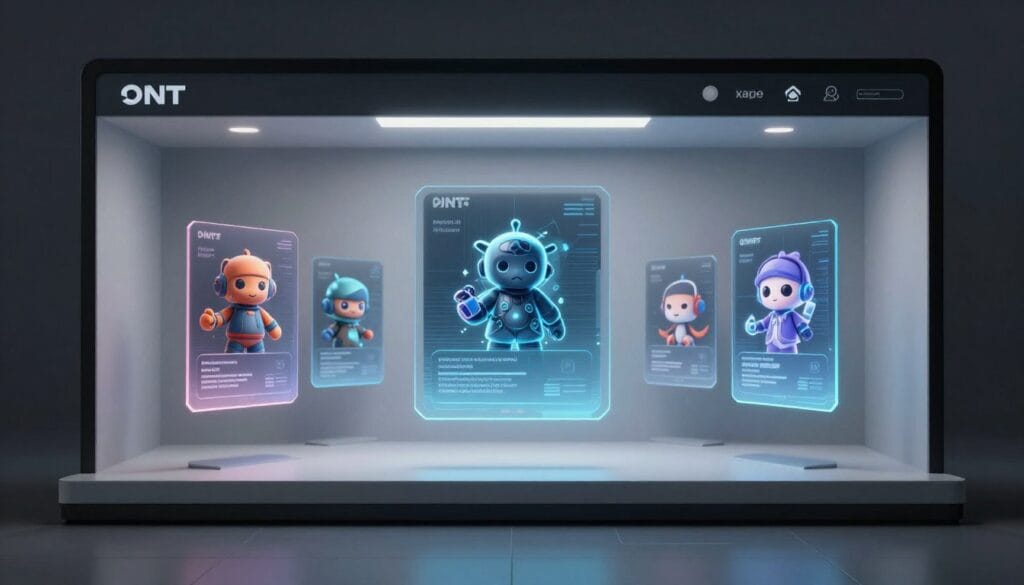
OpenSea continues to lead the industry as the largest nft marketplace for high-volume activity. It operates on a model similar to Amazon, acting as a comprehensive platform for thousands of individual sellers. By supporting the Polygon blockchain, it provides a scalable environment for diverse collections.
Most users find that OpenSea offers the highest liquidity for popular collectibles. Its massive reach makes it the default choice for many digital art enthusiasts. Investors often prioritize this site due to its extensive history and trading volume.
Rarible – Multi-Blockchain NFT Marketplace
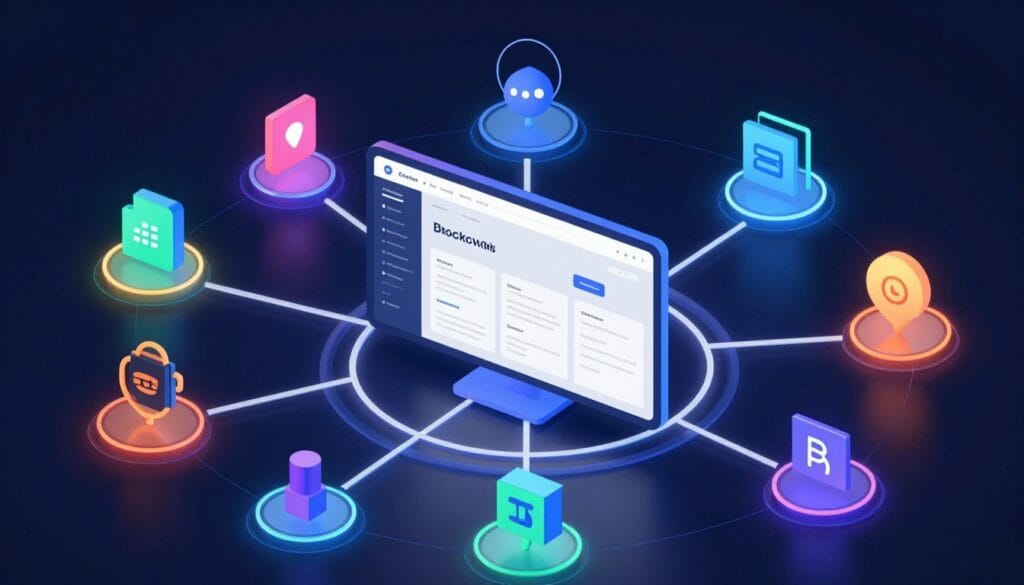
Rarible distinguishes itself by offering a multi-blockchain environment for its services. This flexibility allows you to create and sell an nft across different networks without being locked into one. Many marketplaces struggle with interoperability, but Rarible excels in cross-chain functionality.
Choosing such marketplaces reduces the risk associated with a single network’s volatility. It empowers creators to reach broader audiences across the blockchain ecosystem. Strong security features and community governance models further enhance its appeal to professional investors who value decentralization.
Mintable – Beginner-Friendly NFT Platform
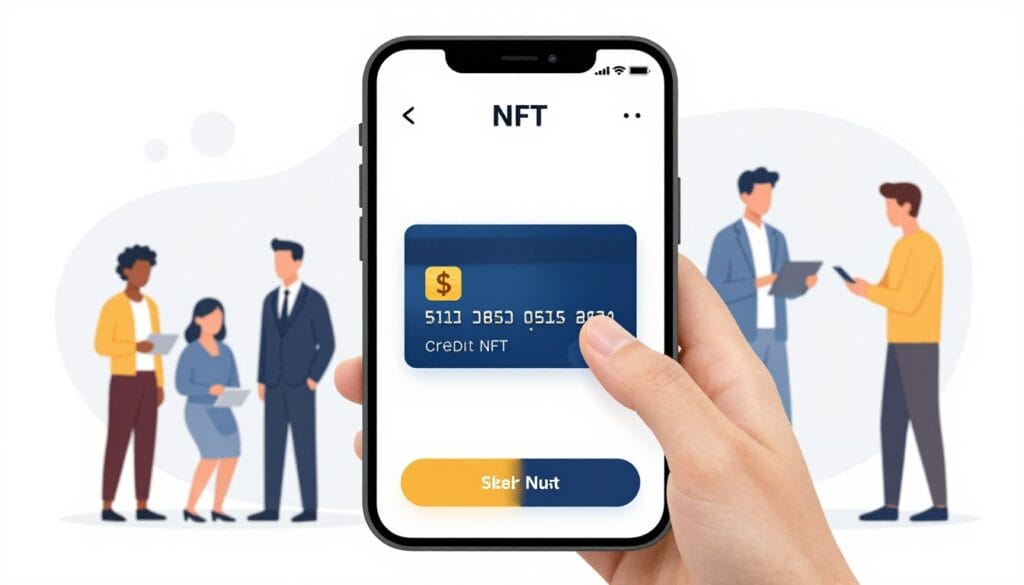
Mintable focuses on removing the technical barriers that often discourage new nft investors. It uniquely supports purchases made in USD, which simplifies the entry process significantly. You do not need to navigate complex crypto exchanges to start your nft journey here.
This beginner-friendly nft marketplace provides an intuitive interface for managing your nft assets. It is one of the few marketplaces that prioritizes accessibility for the general public. Lowering the barrier to entry is a key reason why it remains a top contender among the leading marketplaces.
Ultimately, your choice depends on your investment strategy and comfort with technology. Whether you prioritize massive volume or ease of use, there is an nft marketplace designed for your needs. Always research the specific risks and fee schedules of each nft marketplace before committing your capital.
How to Buy Your First NFT: Step-by-Step Guide
Entering the NFT space can feel overwhelming, but this guide simplifies the entire process. You do not need to be a tech expert to start building your digital portfolio. By following these clear actions, you can navigate the blockchain landscape with confidence.
Owning a digital asset is more than just a purchase; it is a way to join a global community. Preparation is the key to a smooth experience. Let’s break down the technical barriers and get you ready for your first acquisition.
Step 1: Research and Select Your NFT
Successful investors always start with deep research into the community and the artist. Check Twitter sentiment to see which projects are gaining real traction among collectors. Scarcity metrics on Rarity.tools reveal which traits are the most valuable within a collection.
You should also use NFTcatcher.io to track upcoming releases and mint dates. These services provide vital data on sales volume and pricing to help you find value. Focus on an nft project that shows consistent growth and active developer engagement.
Step 2: Choose an NFT Marketplace
Next, pick a marketplace that hosts the specific digital content you want. OpenSea is a leader for Polygon-based assets, while Rarible supports multiple blockchains. This choice determines your trading fees and the variety of art available to you.
Mintable is another great option if you prefer using USD for your transactions. Each platform has unique features, so explore their interfaces before committing. Choosing the right environment ensures your trading experience remains efficient and secure.
Step 3: Set Up and Fund a Crypto Wallet
Setting up a crypto wallet for NFTs is the most critical technical step in your journey. You can choose a browser extension like MetaMask or a mobile app like Coinbase. These tools for users act as a digital bridge between your funds and the blockchain.
You can also use a PayPal or Robinhood account to buy the initial cryptocurrency needed. Make sure to fund your crypto wallet with enough Bitcoin or Ethereum to cover the nft price. Always factor in extra funds for gas fees, which are the costs for processing the transaction.
Verify your crypto wallet address multiple times before you transfer any money. A single mistake can result in the loss of your assets. Keep your recovery phrase offline in a safe location to maintain total control over your cryptocurrency.
Step 4: Make Your First NFT Purchase
When you are ready to buy nft pieces, look for the “Buy Now” or “Place a Bid” buttons. The marketplace will prompt you to sign a smart contract to finalize the deal. Make sure you review all details and the total cost before you confirm.
After you buy nft items, verify the ownership in your personal account. This confirms the transaction was successful and the nft is officially yours. Once the nft appears in your account, you have successfully completed your first digital investment!
NFT Investment Strategies That Work

Success in the digital world requires a clear plan to handle price changes. Investors must choose a path that fits their risk limits and available time. These methods provide a roadmap for navigating the 2026 market effectively.
Buy-and-Hold for Long-Term Growth
This strategy relies on the belief that blockchain will be the base for digital ownership. You look at a 5-10 year window and ignore daily swings. This focuses on the long-term growth of a high-quality nft.
You must have the strength to hold through large price drops. You are betting on the future use of the asset. This is a great choice for people who want a simple, low-stress approach to their digital portfolio.
Momentum Trading Based on Market Trends
Active traders use data to ride price cycles. You enter a position when prices go up and exit when they start to fall. Success in momentum trading requires you to monitor the news and data points daily.
Key indicators for this method include:
- Weekly sales volume on OpenSea to gauge demand.
- Changes in floor prices for popular collections.
- New wallet numbers to see if the market is growing.
- Strict stop-loss rules to protect your capital during trading.
ETF-Based Diversification Strategy
If you want a hands-off investment, an ETF like Defiance NFTZ is a great choice. It gives you broad exposure to many companies with just one trade. You get professional management without having to pick individual stocks yourself.
| Strategy | Time Commitment | Risk Level |
|---|---|---|
| Buy-and-Hold | Very Low | High Volatility |
| Momentum | Very High | Technical Risk |
| ETF Strategy | Low | Moderate |
Many investors now use a hybrid approach to balance their digital asset holdings. They keep a core “hold” position for years. Then, they use a small amount of cash for short-term trading to boost their returns.
How to Evaluate NFT Projects Before Investing

Smart traders use a specific framework to judge if an NFT project has long-term potential. In the fast-moving space, you must look past marketing hype to find actual value.
This requires checking on-chain data and the people behind the digital art. Evaluating potential nft collections involves a deep dive into several key metrics. High-quality research is the only way to minimize risk in this volatile market.
Assessing Team and Community Strength
Check the credentials of the founders before you commit any capital. Look for documented blockchain development skills and successful technical partnerships. A credible project often undergoes smart contract audits to ensure security and transparency.
Community strength is more than just a high follower count on social media. Make sure you analyze Discord activity and the quality of general engagement. True holder conviction is seen when there is low sell pressure even during market dips.
Analyzing Rarity and Scarcity Metrics
Scarcity drives the secondary market for digital collectibles. You can use tools like Rarity.tools to see the trait distribution within an nft collection. These metrics help you identify which items are truly unique and which are common.
A high-quality nft project should have a clear and fair distribution of traits. This transparency allows traders to understand the relative value of their specific assets. Scarcity levels often dictate how prices evolve as the market matures.
Checking Trading Volume and Floor Prices
Trading volume is a vital sign of genuine market interest. High volume shows healthy liquidity, making it easier to enter or exit a position quickly. Conversely, low volume can trap your capital in illiquid collections for months.
Floor prices represent the minimum entry cost to join a project. They serve as a real-time proxy for market sentiment and demand. Always verify these metrics on the blockchain to avoid falling for artificial or “wash” trading activity.
Red Flags to Avoid in NFT Projects
Be careful of companies that announce an nft venture without disclosing revenue metrics. Some stocks move on social media hype without any real fundamental catalysts. If the nft venture represents less than 1% of a company’s total revenue, it might be a distraction.
The Ubisoft Quartz case study shows that even big brands can fail if they do not execute well. Success in the space is never guaranteed by brand name alone.
Watch out for small-cap stocks under $500M with massive marketing but no institutional holders. Many collections launched in bull markets are eventually shelved or abandoned by their creators. Always perform due diligence using blockchain explorers to verify active development for any project.
| Evaluation Metric | Importance Level | What to Look For |
|---|---|---|
| Team Track Record | High | Doxxed founders and blockchain expertise |
| Trading Volume | High | Consistent daily activity and high liquidity |
| Community Sentiment | Medium | Organic Discord growth and active holders |
| Rarity Distribution | Medium | Mathematically verifiable trait scarcity |
Managing Your NFT Investment Portfolio
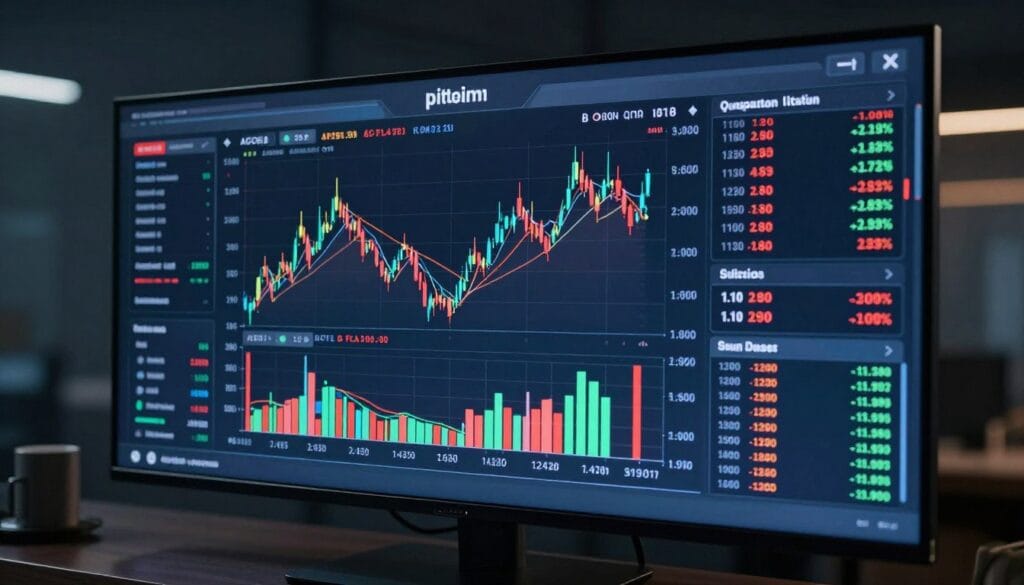
Effective tracking of your digital asset involves a clear approach to data. Managing a collection of digital items requires more than just checking prices on a marketplace. You must monitor how each nft impacts your total financial health.
Professional investors do not just buy and forget. They use systematic methods to organize their holdings and measure real growth. This process helps you avoid emotional decisions based on market hype.
Accurate reporting also requires you to mark your holdings to market regularly. While floor prices give a hint, they do not always show what a buyer will actually pay. Be conservative with your estimates to stay safe when valuing digital items.
Tracking NFT Performance and Returns
Tracking the value of your digital purchases is complex when you buy with cryptocurrency. The price of the token used for the purchase often changes daily. This volatility can hide the true performance of your investment in your local currency.
It is vital to record the dollar price at the exact moment of every trade. This step allows you to see if you are actually making a profit. Without this, you might think you are gaining while your buying power is shrinking over time.
Calculating Internal Rate of Return (IRR)
The Internal Rate of Return (IRR) is a sophisticated metric for serious collectors. It helps you account for the specific holding period of each asset. This calculation provides a clear picture of your annual performance.
Using IRR lets you account for the fluctuating price of the crypto used to buy an nft. It compares your returns to what you might have earned in a traditional stock market. This information is essential for balancing your risk across different markets.
Portfolio Management Tools and Software
Modern software offers a professional way to handle digital wealth. Platforms like Kubera allow users to view their entire nft collection alongside stocks and bank accounts. The tool pulls in live data to provide an updated value for every asset you own.
This detailed content shows your growth over time with high accuracy. You can compare your digital gains against standard market benchmarks easily. Having all your records in one place also makes tax season much easier for every nft owner.
NFT Investment Comparison: Stocks vs Direct Ownership
Choosing between equity in tech firms and actual blockchain tokens requires a clear understanding of risk and reward. Both paths allow investors to participate in the growing digital economy, yet they function under very different terms. Your choice depends on your risk tolerance and technical expertise.
NFT Stocks: Advantages and Limitations
NFT stocks offer a familiar entry point through traditional brokerage accounts. These assets provide high liquidity, allowing for instant trading during regular market hours. You can buy fractional shares of companies like Coinbase or Meta without needing a complex crypto wallet.
Established companies have track records that help you predict returns through dividends or corporate growth. However, these stocks might not perfectly follow the price of specific digital collections. A company’s financial struggles can hurt your investment even if the broader digital market is booming.
Direct NFT Ownership: Pros and Cons
Genuine ownership of a digital asset gives you full control over your private holdings. This path offers asymmetric upside, meaning the potential for massive gains if a project goes viral. You also get to support creators directly while enjoying the cultural value of your items.
Despite the excitement, direct ownership involves significant hurdles for the average person. Finding a buyer for a unique nft takes time, especially during market downturns. You must also manage your own security to protect your assets from theft or technical loss.
Comparison Table: Key Differences
Smart investors use both methods to balance their trading strategies effectively. This ensures they have stable exposure while holding rare items for long-term ownership. Understanding these terms is vital for future ownership success in a volatile market.
An nft is a unique digital tool, and an nft stock is a corporate vehicle for the nft revolution. Both have a place in a balanced 2026 portfolio.
| Feature | NFT Stocks | Direct Ownership |
|---|---|---|
| Liquidity | High (Instant on Exchanges) | Low (Requires a Buyer) |
| Custody | Brokerage Account | Private Crypto Wallet |
| Income | Potential Dividends | No Passive Income |
| Volatility | Moderate (Market Linked) | Extreme (Project Linked) |
| Entry Barrier | Low (Fiat Currency) | High (Technical Knowledge) |
Conclusion
Successful participation in the 2026 nfts landscape depends on a disciplined, data-driven strategy. This guide has explored the dual-path framework of choosing between direct ownership and stock exposure. Neither path is the best way for everyone.
Instead, the right investment choice depends on your own risk tolerance and technical skills. As this article shows, the current nft sector requires a clear risk assessment. You should only allocate capital that you can afford to lose completely.
The market has moved past the era of speculative hype. Today, smart investors look for real utility and community backing before buying a specific nft. Treat this article as a foundation for your research.
The nft world changes fast, and new rules will likely appear across the United States. Use the information in this guide to build a secure portfolio. Staying informed is the only method to navigate the evolving market effectively.
Finding high-quality nfts requires a professional approach and constant study. Finally, remember that every nft project carries unique risks that you must evaluate. Investing wisely means staying ahead of the curve. Always prioritize security and due diligence.
| Investment Path | Primary Focus | Skill Level | Risk Profile |
|---|---|---|---|
| Direct NFT Ownership | Digital Assets & Rarity | Technical / Advanced | High Volatility |
| NFT-Related Stocks | Corporate Growth | Traditional / Basic | Market Regulated |

 By
By