


Establishing a strong emergency fund is a vital step in achieving financial stability. This fund acts as a safety net, protecting you from unexpected expenses that can disrupt your financial well-being. Starting from zero may seem daunting, but with the right mindset and strategy, it is entirely achievable.
This guide will lead you through each stage of the process. You’ll learn what qualifies as an emergency and how to choose the best savings account for your needs. The journey is not just about the amount saved; it’s about forming consistent habits that foster long-term financial health.
Research from the Consumer Financial Protection Bureau (CFPB) highlights that even a modest cash reserve of $2,000 can significantly enhance your financial security. This guide will cover practical strategies like automating your savings and managing cash flow. Each dollar saved is a step closer to peace of mind and financial independence.
As you embark on this journey, remember that every small step contributes to your overall goal of financial freedom.
Key Takeaways
- Emergency funds are essential for financial security.
- Starting with small amounts can lead to significant savings over time.
- Consistent saving habits are more important than the initial amount.
- Understanding what constitutes an emergency is crucial.
- Automating savings can simplify the process.
- A modest fund can prevent falling into debt during unexpected situations.
What Is an Emergency Fund?
A dedicated emergency fund is essential for managing unexpected financial challenges. This cash reserve is specifically set aside for unplanned expenses or financial emergencies. It is crucial to understand the purpose of this fund to effectively utilize it when needed.
Definition and Purpose
An emergency fund is a pool of money held in a separate savings account. This fund is designed exclusively to cover unforeseen and urgent financial needs, rather than planned purchases or discretionary spending. The core purpose of this fund is to serve as a financial safety net.
By having an emergency fund, individuals can avoid resorting to high-interest credit cards or personal loans when unexpected bills arise. This proactive approach helps maintain financial stability and peace of mind.
Common Examples of Emergencies
Legitimate emergencies can vary widely. Here are some common examples:
- A sudden car transmission failure requiring a $2,500 repair.
- An unexpected medical bill after an emergency room visit.
- A leaking roof that demands immediate attention to prevent further home damage.
It’s important to distinguish between two types of financial emergencies:
- Spending shocks: These are unexpected one-time expenses, like replacing a broken water heater.
- Income shocks: These involve disruptions to regular earnings, such as a layoff or reduction in work hours.
Additionally, an emergency fund is not intended for predictable expenses. Costs like annual insurance premiums or routine car maintenance should be budgeted separately.
Moreover, the money in this fund must remain liquid and easily accessible. Emergencies require immediate access to cash without penalties or delays. Without a dedicated emergency fund, individuals often turn to credit cards with high APRs, turning a one-time $1,000 expense into a long-term debt burden.
According to the CFPB, even minor financial shocks can set individuals back significantly if they lack savings. A small amount of accessible cash can provide immediate relief, preventing a crisis from spiraling out of control. In this unpredictable world, an emergency fund is not a luxury but a necessity for anyone seeking to maintain financial stability.
Why You Need an Emergency Fund
An emergency fund serves as a protective barrier against unexpected financial burdens. In a world where life can change in an instant, having a financial safety net is essential. This fund helps absorb the impact of unforeseen expenses, ensuring that your household budget remains intact.
Without this buffer, individuals often face tough choices. They may have to decide between paying for necessities like rent or covering an unexpected car repair. Such dilemmas can lead to stress and financial instability.
Protecting Yourself from Financial Shocks
Research from the Consumer Financial Protection Bureau (CFPB) shows that those with less savings struggle to recover from financial shocks. When an emergency arises, many people turn to credit cards or loans, which can lead to a cycle of debt that is hard to escape.
Moreover, tapping into retirement accounts, like a 401(k) or IRA, can incur penalties and jeopardize long-term financial security. This approach undermines the benefits of compounding interest, which is crucial for building wealth over time.
Avoiding Debt and Financial Stress
Having an emergency fund can significantly reduce financial stress. It provides peace of mind, allowing individuals to handle life’s uncertainties without panic. Studies indicate that even a modest emergency fund of $500 to $1,000 can cover common emergencies, such as car insurance deductibles or minor home repairs.
Additionally, those without savings are more vulnerable to cascading financial setbacks. One emergency can lead to debt, making it harder to save for future unexpected events. This is why having a dedicated emergency fund is akin to self-insurance, protecting against the need for costly payday loans or other predatory lending products.
Ultimately, building an emergency fund is one of the most impactful steps anyone can take to achieve lasting financial stability and peace of mind. By preserving access to favorable interest rates and avoiding maxed-out credit cards, individuals can maintain better financial health.
| Emergency Fund Benefits | Impact on Financial Health |
|---|---|
| Acts as a financial buffer | Reduces reliance on credit |
| Covers unexpected expenses | Preserves long-term savings |
| Improves mental well-being | Enhances decision-making during crises |
| Protects against predatory loans | Maintains access to favorable interest rates |
How Much Should You Save?
Determining the right amount to save is crucial for financial security. Knowing your savings target helps you prepare for unexpected expenses effectively. This section will guide you through assessing your monthly expenses, distinguishing between different types of financial shocks, and setting realistic savings goals.
Assessing Your Monthly Expenses
Start by calculating your total monthly expenses. Break these down into two categories:
- Fixed expenses: These are consistent monthly costs like rent or mortgage payments, car payments, and insurance premiums.
- Variable expenses: These can fluctuate each month and include groceries, utilities, transportation, and discretionary spending.
Using a budgeting tool or expense worksheet can simplify this process. Input specific amounts for each category to generate an accurate total of your monthly spending.
Saving for Spending Shocks vs. Income Shocks
Understanding the difference between spending shocks and income shocks is essential. A spending shock is a one-time unexpected bill, such as a major car repair. For this, aim to save at least half of your monthly expenses. The formula is:
Spending shock target = monthly expenses ÷ 2
On the other hand, an income shock, like job loss, requires a more substantial reserve. For this, save three to six months’ worth of expenses. The formulas are:
Income shock (three months) = monthly expenses × 3
Income shock (six months) = monthly expenses × 6
Setting Realistic and Personalized Savings Goals
When establishing your savings goals, consider your personal circumstances. Factors such as job stability, industry volatility, and health status can influence how much you should save. It’s also wise to think about your number of dependents and any other financial resources you may have.
These targets should be aspirational yet achievable. Starting with a smaller goal, like saving $500 or one month’s worth of expenses, can help build momentum. For those with irregular income, such as freelancers, aiming for the higher end of the savings range (closer to six months) is advisable.
Regularly review and adjust your savings goals as your financial situation evolves. This could be after a salary increase or a change in living expenses. Remember, even small, consistent contributions add up over time. The act of starting is more important than the initial amount saved.
Ultimately, personalized savings goals provide a clear target, making the concept of an emergency fund tangible and achievable.
How to Build an Emergency Fund From Scratch
Creating a solid financial foundation starts with building a savings habit. This involves setting specific, measurable goals and establishing a system for consistent contributions. Start by determining an achievable target, such as saving $1,000 in six months. This goal will give you direction and purpose.
Next, develop a routine for making contributions. Whether you choose to save daily, weekly, or per paycheck, consistency is key. Regularly monitoring your progress can be motivating. You can set up automatic balance notifications or maintain a simple tally to track your growth. Celebrating small victories reinforces your commitment to saving.
Create a Savings Habit
Establishing a savings habit is essential for building your emergency fund. By setting aside a specific amount each month, you can gradually grow your savings. Start small; even $5 or $20 per week can make a difference. As you become more comfortable, you can increase the amount over time.
Manage Your Cash Flow
Managing your cash flow effectively is another crucial step. Track your income and expenses to identify weeks when you have surplus money. Consider reaching out to creditors, like landlords or utility companies, to adjust bill due dates to better align with your pay schedule. This can free up cash for your savings.
Take Advantage of One-Time Savings Opportunities
Look for one-time savings opportunities that can boost your emergency fund. For instance, consider depositing a portion of your tax refund directly into your savings account. Many people receive significant checks during tax season, and this can provide a substantial boost to your fund. Additionally, saving cash gifts from holidays or birthdays can also contribute to your goal.
Automate Your Savings
Automating your savings can simplify the process. Set up recurring transfers from your checking account to a dedicated savings account. This way, you can ensure that a predetermined amount is saved without requiring ongoing effort. Automating your savings helps you pay yourself first before spending money on other expenses.
Save Through Work
Another effective strategy is to save through your employer. Check if your employer offers the option to split your direct deposit. By routing a portion of each paycheck directly into your savings account, you effectively pay yourself first. This method reduces the temptation to spend the money before saving it.
Building an emergency fund from scratch is all about consistency over time. By combining multiple strategies—like automating savings and capturing one-time windfalls—you can accelerate your progress significantly. Remember, even small, regular contributions add up and help you reach your financial goals.
Where to Keep Your Emergency Fund
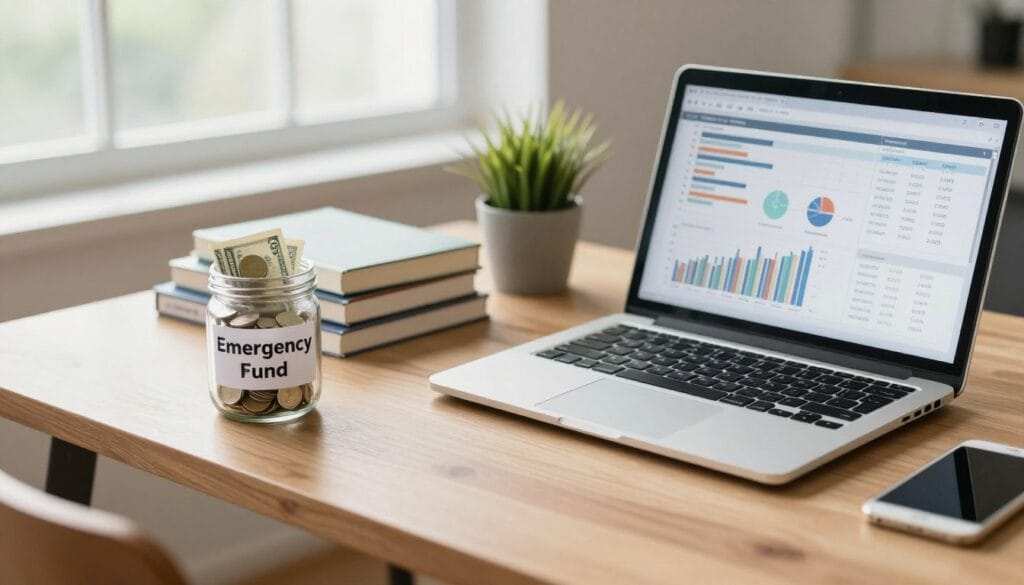
Where you store your emergency fund can significantly impact its accessibility and growth. Choosing the right account is essential for ensuring that your savings are safe, readily available, and not easily spent on non-emergencies. Here are some options to consider:
Bank or Credit Union Accounts
Traditional bank or credit union accounts are among the safest places to keep your emergency funds. These accounts typically offer FDIC or NCUA insurance coverage up to $250,000. This insurance protects your money in case the bank fails.
Accessing funds is easy through online transfers or ATM withdrawals. Keeping your emergency savings in a separate account from your everyday checking account helps reduce the temptation to spend it on non-emergencies.
Prepaid Cards
For those without a traditional bank account, prepaid cards can be a viable option. These cards allow you to load money onto them without linking to a checking account. However, be cautious of potential fees and ensure you choose a reputable provider.
Prepaid cards can provide immediate access to funds, especially during emergencies. They are not subject to the same spending temptations as a checking account.
Cash on Hand
Keeping a small amount of cash on hand can be useful for immediate needs, especially during natural disasters or situations where electronic access is unavailable. However, cash is vulnerable to theft, loss, or destruction.
It’s wise to store cash securely, either at home or with a trusted family member. While cash can be helpful, it should not make up the entirety of your emergency fund.
When considering where to keep your emergency fund, remember that safety, accessibility, and liquidity are key. You want your money protected from loss, available immediately when needed, and not subject to penalties or delays for withdrawal.
| Account Type | Pros | Cons |
|---|---|---|
| Bank Savings Account | Safe, FDIC insured, easy access | Low interest rates |
| High-Yield Savings Account | Higher interest rates, FDIC insured | May require minimum balance |
| Money Market Fund | Potential for higher yields, check-writing privileges | Not FDIC insured, slight risk |
| Prepaid Card | Accessible, no bank account needed | Possible fees, limited funds |
| Cash | Immediate access | Vulnerable to loss or theft |
Ultimately, the best place for your emergency fund is where you can keep the money safe, accessible, and separate from daily spending. Consider your personal preferences and risk tolerance when making this decision.
When Should You Use Your Emergency Fund?

Knowing when to tap into your emergency fund is crucial for maintaining financial health. Understanding the specific circumstances that qualify as an emergency will help you use your fund wisely. Not every unexpected expense warrants dipping into your savings, so having clear guidelines is essential.
Defining an Emergency
Establish a framework for what constitutes a true emergency. The expense must be unexpected, necessary, and urgent. Examples include:
- A medical bill not covered by insurance.
- A car repair that is essential for commuting to work.
- A critical home repair, such as a broken furnace in winter.
On the other hand, predictable or discretionary expenses do not qualify. For instance, a sale on a desired item or routine maintenance like oil changes should not justify using your emergency fund. Make sure to write down your personal guidelines. This way, when an unexpected situation arises, you have a clear standard to consult.
Using Your Fund Wisely to Avoid Debt
When a legitimate emergency occurs, do not hesitate to use your emergency fund. This is precisely what it is for. Using your fund is far preferable to accumulating high-interest debt through credit cards or loans. For example, charging a $1,500 emergency room bill to a card with a 22% APR can balloon into thousands of dollars in interest over time.
Using your emergency fund helps you avoid financial pitfalls. It allows you to manage unexpected expenses without resorting to debt, preserving your long-term financial stability.
Replenishing Your Fund After Use
After using your emergency fund, it is critical to replenish it as soon as possible. Consider temporarily reducing discretionary spending and redirecting windfalls, such as tax refunds or bonuses, back into your fund. Resume automated contributions to restore your financial safety net quickly.
Treat the replenishment of your emergency fund with the same urgency as the original savings effort. Leaving the fund depleted makes you vulnerable to the next unexpected expense. Remember, once you reach your target amount—whether it’s three months or six months of expenses—redirect any additional surplus to retirement accounts or investments for higher growth potential.
Your emergency fund is a dynamic tool that may need to be used and rebuilt multiple times throughout life. Developing the discipline to replenish it is as important as the initial effort to build it. Using your emergency fund wisely—only for true emergencies and with a commitment to rebuilding—is the hallmark of sound financial management and the key to long-term stability.
Conclusion
Building a solid financial future begins with understanding the importance of savings. Establishing an emergency fund is an achievable goal for anyone. With a clear plan and consistent habits, you can create a financial safety net.
Start small and build momentum. Even $500 or $1,000 in dedicated savings can prevent minor financial shocks from becoming major crises. The strategies discussed—like creating a savings habit and automating contributions—are effective when combined.
Your emergency fund is a living tool. It will likely be used and replenished multiple times throughout your life. Each cycle strengthens your financial discipline. Take action today, even if it’s just opening a separate savings account.
Having an emergency fund reduces reliance on credit cards and protects your retirement savings. Regularly review your goals to ensure your fund remains adequate. Once your goal is met, consider redirecting additional savings to higher-yield investments.
Remember, financial security comes from intentional habits and consistent effort. Every reader has the ability to build a robust emergency fund starting today. Explore additional resources to continue your journey toward financial wellness.

 By
By