


Entering the digital asset market can feel overwhelming for newcomers. With constant news about market shifts, having a reliable beginner’s guide to buying cryptocurrency is essential for success.
This article provides the roadmap you need to navigate this space with confidence. We focus on protecting your capital while exploring new financial opportunities.
Learning the basics is the most important step before you commit any funds. By understanding the core mechanics, you can avoid common traps that often catch inexperienced investors off guard.
Follow these steps to learn How to Buy Your First Cryptocurrency Safely in the current 2024 landscape. We prioritize your financial security above all else.
Key Takeaways
- Prioritize security by using reputable exchanges and hardware wallets.
- Start with small investments to understand market volatility.
- Always enable two-factor authentication on all financial accounts.
- Research projects thoroughly before committing your hard-earned money.
- Keep your recovery phrases offline and hidden from prying eyes.
Understanding Cryptocurrency Basics
Entering the world of digital finance begins with grasping the core concepts of cryptocurrency. This beginner’s guide to buying cryptocurrency provides the foundation you need to navigate this exciting market with confidence.
What is Cryptocurrency?
At its simplest, cryptocurrency is a digital or virtual form of currency that uses cryptography for security. Unlike traditional money issued by governments, these assets operate on decentralized networks.
This means no single bank or authority controls your funds. Instead, transactions are verified by a global network of computers, ensuring that your digital assets remain under your personal control.
How Does Blockchain Technology Work?
Blockchain is the immutable backbone that makes digital currency possible. Think of it as a shared, digital ledger that records every transaction across a network of computers.
Once a transaction is added to the ledger, it cannot be changed or deleted. This high level of transparency and security is why blockchain is considered a revolutionary technology for modern finance.
Different Types of Cryptocurrencies
Not all digital assets serve the same purpose in the market. Some are designed to act as a store of value, while others provide specific utility within a software ecosystem.
Understanding these differences is a vital part of any beginner’s guide to buying cryptocurrency. The following table highlights the primary categories you will encounter:
| Category | Primary Purpose | Example |
|---|---|---|
| Store of Value | Digital gold and long-term holding | Bitcoin |
| Utility Tokens | Accessing specific platform services | Chainlink |
| Stablecoins | Maintaining a fixed price value | USDC |
| Smart Contract Platforms | Powering decentralized applications | Ethereum |
Choosing the Right Cryptocurrency
Building a successful portfolio starts with knowing which assets have real staying power. The market is filled with thousands of options, but not all of them offer the same level of security or long-term potential. By applying a disciplined approach to your research, you can filter out the noise and focus on assets that provide genuine value.
Following sound cryptocurrency buying tips will help you navigate this complex landscape with confidence. It is essential to look beyond the hype and examine the underlying technology of any project you consider.
Popular Cryptocurrencies to Consider
When starting your journey, it is wise to look at assets that have maintained a significant market presence throughout 2024. Bitcoin remains the industry standard, often serving as the primary store of value for many investors. Its historical performance and widespread adoption make it a common starting point for those new to the space.
Ethereum is another major player, known for its versatile blockchain that supports decentralized applications. Because these assets have established track records, they are often viewed as the foundation of a balanced portfolio. Focusing on these established coins is one of the most effective cryptocurrency buying tips for beginners who want to minimize unnecessary risk.
Factors to Evaluate Before Investing
Before you commit your capital, you must perform thorough due diligence on any project. Start by reading the project whitepaper to understand the specific problem the developers are trying to solve. A clear, logical document is a strong indicator of a serious team.
Next, investigate the development team and the community support behind the project. A transparent team with a history of delivery is a positive sign, while an active community often suggests long-term viability. You should also evaluate the utility of the token to ensure it serves a real purpose within its ecosystem.
By prioritizing these factors, you can distinguish between high-potential projects and speculative assets. Remember that patience is your greatest ally in this market. Utilizing these cryptocurrency buying tips will help you make informed decisions that align with your personal financial goals.
Selecting a Cryptocurrency Exchange
Choosing a reputable exchange is the most important decision for ensuring secure cryptocurrency purchases in the United States. Your chosen platform acts as the gateway to your digital assets, making it vital to prioritize safety and reliability above all else.
Taking the time to research your options will protect your capital and provide a smoother trading experience. A well-vetted exchange serves as the bedrock of your investment strategy.
What to Look for in an Exchange
When evaluating platforms, you should prioritize those that offer robust security protocols. Look for features like two-factor authentication (2FA), cold storage for assets, and a proven track record of regulatory compliance.
A user-friendly interface is also essential, especially for beginners. You want a platform that makes navigation simple while providing the tools necessary for secure cryptocurrency purchases.
Top Cryptocurrency Exchanges in 2024
Several platforms stand out in the United States for their commitment to security and ease of use. These exchanges have built trust through transparency and consistent performance:
- Coinbase: Known for its intuitive interface and high security standards.
- Kraken: Highly regarded for its advanced security features and deep liquidity.
- Gemini: Focuses heavily on regulatory compliance and institutional-grade security.
Understanding Exchange Fees
Every platform has a unique fee structure that can impact your overall returns. It is important to understand the difference between maker and taker fees, which are often based on your trading volume.
Additionally, be mindful of withdrawal costs and deposit charges. By analyzing these variables, you can select a platform that aligns with your specific trading frequency and ensures your secure cryptocurrency purchases remain cost-effective over time.
Creating Your Account and Wallet
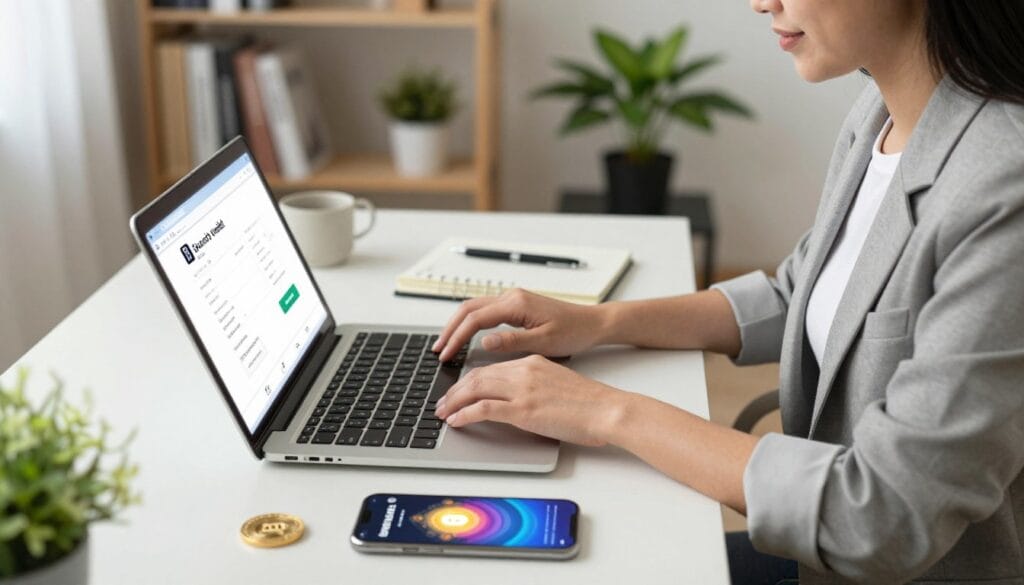
Your journey into the crypto market begins with creating a secure account and wallet. Once you have selected a reputable exchange, you must prepare your digital workspace to ensure you are buying your first digital currency securely. This process involves verifying your identity and choosing the right storage method for your new assets.
How to Set Up Your Exchange Account
Most regulated platforms in the United States require a standard identity verification process known as Know Your Customer (KYC). You will typically need to provide a government-issued ID, such as a driver’s license or passport, to comply with federal regulations. This step is essential for maintaining a safe trading environment for all users.
After submitting your documents, the platform will review your information. Once approved, you should enable two-factor authentication (2FA) immediately. This adds a critical layer of protection to your account, ensuring that only you can access your funds.
Types of Cryptocurrency Wallets
Understanding where to store your assets is just as important as buying them. Generally, wallets fall into two main categories: hot wallets and cold storage solutions. A hot wallet is connected to the internet, making it convenient for frequent trading, while cold storage remains offline for maximum security.
| Wallet Type | Connectivity | Best For | Security Level |
|---|---|---|---|
| Hot Wallet | Online | Active Traders | Moderate |
| Cold Wallet | Offline | Long-term Holders | Very High |
| Hardware Wallet | Physical Device | Maximum Safety | Highest |
Securing Your Wallet
Self-custody is the gold standard for long-term asset protection. When you control your own private keys, you are the sole owner of your digital wealth. Never share your recovery phrase with anyone, as this string of words acts as the master key to your funds.
If you lose your recovery phrase, you may lose access to your assets forever. Always store this information in a physical, offline location that only you can access. By following these best practices, you are successfully buying your first digital currency securely and keeping it safe from potential threats.
Funding Your Account
Funding your account acts as the essential link between traditional money and modern digital finance. This process allows you to move capital from your bank into a digital environment where you can trade assets. By focusing on safe ways to purchase cryptocurrency, you ensure that your money remains protected during the transfer.
How to Deposit Funds
To begin, you must link a verified payment source to your exchange profile. Most platforms require you to complete identity verification before you can move significant amounts of capital. This step is crucial for maintaining security and complying with financial regulations in the United States.
Once verified, navigate to the deposit section of your dashboard. Select your preferred currency and follow the prompts to initiate the transfer. Always double-check the details to avoid errors that could delay your access to the market.
Payment Methods Accepted by Exchanges
Exchanges typically offer several options to help you move funds efficiently. Choosing the right method depends on your need for speed versus lower transaction costs. Here are the most common options available to investors:
- Bank Transfers (ACH): Often the most cost-effective method for users in the U.S.
- Debit Cards: Provide near-instant access to funds, though they may carry higher processing fees.
- Wire Transfers: Best for moving larger sums of money securely, though they may take longer to process.
Using these established channels is one of the most safe ways to purchase cryptocurrency available today. By avoiding unverified third-party services, you minimize the risk of fraud and keep your financial data secure. Always prioritize platforms that use encrypted connections for every transaction you make.
Making Your First Purchase
Making your first cryptocurrency purchase is a milestone that marks your official entry into the digital finance space. While the interface of a trading platform might look complex at first, finding safe ways to purchase cryptocurrency is entirely manageable with a bit of guidance. Taking your time is the most important part of this process.
Step-by-Step Guide to Buying Cryptocurrencies
Most major exchanges follow a similar layout to help users execute trades efficiently. Follow these steps to ensure you are comfortable with the process before you click the buy button.
- Log into your verified exchange account and navigate to the “Trade” or “Markets” tab.
- Select the trading pair you wish to purchase, such as BTC/USD, which represents Bitcoin against the U.S. Dollar.
- Enter the specific amount of currency you want to spend or the amount of crypto you wish to acquire.
- Review the order details carefully, including any transaction fees, before confirming the purchase.
By following these steps, you maintain control over your funds. Always double-check the ticker symbol to ensure you are buying the correct asset. Precision is key to finding safe ways to purchase cryptocurrency without errors.
Understanding Market Orders vs. Limit Orders
Choosing the right order type is essential for your investment strategy. A market order is the simplest way to buy because it executes immediately at the current market price. This is ideal if you want to acquire your assets right away without waiting for price fluctuations.
In contrast, a limit order allows you to set a specific price at which you are willing to buy. The trade will only execute if the market reaches your target price. This method requires more patience but offers greater control over your entry point.
Mastering these two order types is one of the most effective safe ways to purchase cryptocurrency. Whether you prioritize speed or price precision, understanding how these tools function will help you trade with confidence.
Safety Measures and Best Practices
Learning how to buy your first cryptocurrency safely is a vital skill for every new investor. As you begin your journey, remember that security is the cornerstone of a successful investment strategy. By taking proactive steps, you can protect your digital assets from potential threats.
Tips for Securing Your Investments
To ensure secure cryptocurrency purchases, you must treat your digital wallet like a physical bank account. Start by enabling multi-factor authentication on every platform you use. This simple step adds a critical layer of protection that prevents unauthorized access to your funds.
Consider these essential habits to keep your assets safe:
- Use a hardware security key for an extra layer of physical protection.
- Avoid using public Wi-Fi networks when accessing your exchange or wallet accounts.
- Create unique, complex passwords for every site and store them in a reputable password manager.
- Keep your recovery phrases offline, preferably written on paper and stored in a secure location.
Avoiding Common Scams and Frauds
The digital landscape is full of malicious actors looking to exploit new users. Understanding common cryptocurrency safety measures will help you spot red flags before they cause harm. Always remain skeptical of unsolicited messages or offers that seem too good to be true.
Be on the lookout for these common tactics used by scammers:
- Phishing emails: These often look like official communications from your exchange but contain links to fake login pages.
- Fake customer support: Scammers may pose as support agents on social media to gain access to your private keys.
- Suspicious links: Never click on links in emails or messages that promise free coins or urgent account verification.
If you ever feel unsure about a request, always verify the source by visiting the official website directly. Staying informed and cautious is your best defense against those who wish to compromise your portfolio. By following these rigorous protocols, you can invest with confidence and peace of mind.
Understanding Cryptocurrency Regulations
Navigating the complex world of digital assets requires a solid grasp of the legal landscape in the United States. While the technology moves fast, federal and state agencies are working hard to create clear guidelines for all participants. By staying informed, you ensure that you are buying your first digital currency securely and maintaining full compliance with the law.

Overview of U.S. Cryptocurrency Laws
In the United States, digital assets fall under the oversight of several regulatory bodies. The Securities and Exchange Commission (SEC) often evaluates whether specific tokens qualify as securities, while the Commodity Futures Trading Commission (CFTC) monitors assets like Bitcoin as commodities. Understanding these distinctions helps you make smarter choices.
The regulatory framework for digital assets is designed to protect investors while fostering innovation in the financial sector.
State laws can also vary significantly, especially regarding money transmitter licenses for exchanges. Always check if your chosen platform is registered to operate in your specific state. This simple step is a cornerstone of buying your first digital currency securely.
Tax Implications of Buying Cryptocurrency
The Internal Revenue Service (IRS) treats digital assets as property for tax purposes. This means that every time you sell, trade, or use your assets to buy goods, you may trigger a taxable event. Keeping accurate records of your transactions is essential for your annual tax filings.
| Transaction Type | Tax Treatment | Reporting Requirement |
|---|---|---|
| Selling for Profit | Capital Gains Tax | Form 8949 |
| Trading Coin to Coin | Capital Gains Tax | Form 8949 |
| Holding Assets | No Tax Due | None |
You must track your cost basis, which is the original price you paid for the asset. If you are diligent with your documentation, you will find that buying your first digital currency securely becomes a much simpler process. Always consult with a qualified tax professional to ensure your reporting meets all federal requirements.
Managing Your Investments
Navigating the volatile world of digital currencies requires a disciplined approach to tracking your investments. While the initial purchase is an exciting milestone, the long-term success of your portfolio depends on how you manage your assets over time. Implementing robust cryptocurrency safety measures is the first step toward protecting your hard-earned capital while you monitor market movements.
Strategies for Monitoring Your Portfolio
To stay on top of your holdings, you should utilize reliable tracking tools that provide real-time data. Many investors prefer using dedicated mobile applications or portfolio dashboards that aggregate data from multiple exchanges. These tools allow you to view your total net worth and individual asset performance at a glance.
When choosing your tracking software, prioritize platforms that offer high-level security features. You must ensure that your chosen tools do not compromise your cryptocurrency safety measures by requiring unnecessary access to your private keys. Consider these essential habits for effective monitoring:
- Check your portfolio balance weekly rather than hourly to avoid emotional fatigue.
- Set up price alerts for your major holdings to stay informed of significant market shifts.
- Review your asset allocation periodically to ensure it still aligns with your risk tolerance.
When to Sell or Hold Your Cryptocurrency
Deciding when to exit a position or hold for the long term is often the most challenging part of the investment journey. It is easy to let fear or greed dictate your actions during periods of high market volatility. Developing a structured plan helps you remove emotion from the equation and focus on your financial goals.
“The stock market is a device for transferring money from the impatient to the patient.”
If you find yourself questioning your strategy, remember that long-term holding is often a more effective path than trying to time the market perfectly. However, there are valid reasons to sell, such as rebalancing your portfolio or securing profits to meet specific life expenses. Always maintain your cryptocurrency safety measures during these transactions by using reputable exchanges and secure transfer methods.
Ultimately, your decision to sell or hold should be based on your original investment thesis. If the fundamental reasons you bought the asset remain intact, holding is often the wisest choice. If the project’s outlook has changed, it may be time to reconsider your position.
Staying Informed About the Market
The fast-paced nature of the digital asset market makes staying informed a vital part of your investment journey. Because prices and trends shift in an instant, having access to reliable data is the best way to protect your capital. By building a habit of checking verified sources, you can navigate the complexities of the 2024 market with much greater clarity.
Reliable Resources for Cryptocurrency News
Not all news outlets provide the same level of accuracy. It is important to prioritize platforms that focus on unbiased reporting rather than sensational headlines. You should look for outlets that provide deep analysis of technological developments and regulatory changes.
Consider bookmarking these reputable sources to keep your finger on the pulse of the industry:
- CoinDesk: Widely recognized for its comprehensive coverage of market movements and institutional adoption.
- CoinTelegraph: Excellent for staying updated on global blockchain news and emerging tech trends.
- CoinGecko: A premier data aggregator that offers real-time tracking of prices, market capitalization, and trading volume.
Following Influential Figures in Crypto
Social media can be a double-edged sword in the world of finance. While many experts share genuine value and educational content, others focus on speculative hype that can lead to poor investment choices. Learning to distinguish between these two groups is a key skill for any modern investor.
When you decide to follow industry leaders, look for those who prioritize long-term education over short-term price predictions. A trustworthy figure will often discuss the underlying technology, security best practices, and the broader economic impact of blockchain. If an account only posts about “getting rich quick” or uses aggressive marketing tactics, it is usually best to look elsewhere.
“The goal of an investor is not to follow the crowd, but to understand the fundamental value of the assets they hold.”
Ultimately, your goal is to build a personal network of information that helps you feel confident and prepared. By relying on verified channels and critical thinking, you will be well-equipped to handle the ups and downs of the digital economy.
Building a Cryptocurrency Strategy
Success in the digital asset market requires more than just luck; it demands a clear strategy. A well-defined plan helps you align your actions with your personal risk tolerance and financial objectives. By following smart cryptocurrency buying tips, you can approach the market with a disciplined mindset that favors long-term growth over short-term speculation.
Setting Realistic Investment Goals
Before you commit your capital, define what you hope to achieve. Are you looking for long-term wealth accumulation or short-term gains? Setting clear, measurable goals allows you to stay focused when market conditions change.
One of the most effective cryptocurrency buying tips is to utilize dollar-cost averaging. This method involves investing a fixed amount of money at regular intervals, regardless of the current price. This strategy helps to:
- Reduce the emotional stress of market volatility.
- Lower the average cost of your assets over time.
- Remove the need to time the market perfectly.
Diversification in Cryptocurrency Portfolio
Putting all your funds into a single digital asset is rarely a wise move. Diversification is a key pillar of any robust investment strategy, as it helps spread your capital across different asset classes to reduce overall risk.
Consider these essential cryptocurrency buying tips to build a balanced portfolio:
- Allocate across categories: Mix established coins like Bitcoin with promising altcoins or utility tokens.
- Limit exposure: Never invest more than you can afford to lose in any single project.
- Review regularly: Rebalance your holdings periodically to ensure they still align with your risk profile.
By spreading your investments, you protect yourself from the failure of any single project. A diversified approach ensures that your portfolio remains resilient, even when specific sectors of the market face downward pressure. Staying disciplined and patient is the ultimate key to long-term success in this evolving space.
Future Trends in Cryptocurrency
The landscape of digital finance shifts rapidly as blockchain technology gains deeper roots in global markets. You now possess the foundational knowledge to navigate this space with confidence and clarity.
Anticipating Market Shifts in 2024 and Beyond
Institutional interest from firms like BlackRock and Fidelity signals a new era for digital assets. Expect greater regulatory clarity to emerge as governments refine their approach to decentralized finance. These changes aim to protect participants while fostering innovation across the entire ecosystem.
Technological Progress and User Experience
New protocols focus on solving scalability issues to make transactions faster and cheaper for everyone. Enhanced security features will likely become standard, reducing risks for individual investors. These advancements simplify the process of managing your portfolio in a secure environment.
Staying informed remains your best tool for long-term success in this dynamic market. Keep exploring new developments and adjust your strategy as the industry matures. Your journey into the world of digital assets is just beginning, so stay curious and keep learning.


 By
By