


Reaching a five-figure milestone is an achievable goal for most people who follow a structured plan. Many folks think they need a massive salary, but consistency often wins. By focusing on your savings growth, you can transform your bank balance within twelve months.
Recent data from Bankrate’s annual Emergency Savings Report reveals a tough reality for many families. Only 59 percent of U.S. adults feel comfortable with their current level of savings. Shockingly, more than one in five Americans have no emergency savings at all.
Starting from zero to save 10,000 might feel scary, but breaking it down makes it easy. This guide provides a way to grow your money by adjusting daily habits. You will learn to manage your money better while building a secure future over a single year.
The strategies outlined here have been successfully used by real savers through practical lifestyle adjustments. This comprehensive plan works for various financial situations and income levels. You will learn specific monthly, weekly, and daily targets that make the overall total less intimidating.
Key Takeaways
- Break down the large total into manageable monthly and weekly chunks.
- Adjust daily spending habits to free up extra cash for your account.
- Increase your income through side channels or overtime opportunities.
- Use the right financial vehicles to maximize your interest growth.
- Focus on disciplined management rather than needing a six-figure salary.
- Address both reducing expenses and boosting your total earnings.
Why Saving $10,000 in One Year Matters
Committing to a large savings target requires more than just math; it needs a deep personal reason. When you have a clear purpose, you stop viewing your budget as a restriction. Instead, it becomes a powerful tool to reach your dreams and change your lifestyle.
Define Your Personal “Why” for Motivation
Defining your reason transforms savings into a mission rather than a chore. Establishing a clear purpose for your goal provides the motivation needed to stay disciplined throughout the year.
Write down your specific goal and place it on your bathroom mirror or laptop monitor. This constant reminder helps you resist daily temptations and stay focused on the bigger picture. When you see your mission every day, it guides your daily spending choices.
“The goal is not just more wealth; it is the freedom to live life on your terms.”
Common Goals That Require $10,000 in Savings
Many people aim for this amount to build an emergency fund that covers three months of living costs. This fund protects you against job loss or an emergency expense that could otherwise cause stress. This money could also go toward a home down payment or a dream vacation.
| Goal Type | Purpose | Financial Impact |
|---|---|---|
| Safety Net | 3-Month Reserve | Prevents high-interest debt |
| Real Estate | Down Payment | Secures better mortgage rates |
| Life Milestone | Wedding/Events | Allows cash payment for celebrations |
Finance expert Kelly Anne Smith used this strategy twice to pay for her wedding and a house. These goals provide essential security and long-term flexibility for your family. A solid emergency fund ensures you never have to rely on credit cards again. Increasing your savings today creates a stress-free financial cushion for your future.
Breaking Down Your $10,000 Savings Goal into Manageable Chunks
Turning a large financial objective into smaller steps makes the process feel much more achievable. A $10,000 savings goal is a big number, but it becomes simple when you view it in bite-sized bits. Saving 10,000 is often a matter of perspective and small, daily choices. Reaching a 10,000 year total requires a clear roadmap that fits your specific income schedule.
Monthly Savings Target: $833
If you are a salaried employee, this method is usually the most effective path. You need to set aside an amount of $833 every single month to stay on track. This strategy ensures you can save 10,000 year after year by treating your savings like a required bill.
Weekly Savings Target: $192
For those who receive a paycheck every week, focusing on $192 is a smart move. This frequent interval allows for more checkpoints to see your progress in real-time. Many find they save 10,000 year much faster when they check their balance weekly. It keeps your 10,000 year target at the front of your mind.
Daily Savings Approach: $28
Sometimes called the $27.40 rule, this method makes your 10,000 year target feel like the cost of a nice lunch. Saving just $28 a day keeps the momentum high and the psychological pressure low. Consistency is the key to success here.
You can save 10,000 year through daily discipline and by cutting small, unnecessary costs. This approach helps you reach a 10,000 year milestone without feeling deprived of your lifestyle.
| Frequency | Savings Contribution | Total per year |
|---|---|---|
| Daily | $27.40 | $10,001 |
| Weekly | $192.31 | $10,000 |
| Monthly | $833.34 | $10,000 |
“Small habits, when repeated daily, create massive financial results over time.”
How to Save $10,000 in One Year (Step-by-Step Plan): Evaluate Your Current Financial Situation
Mapping out your path to a five-figure milestone starts with a comprehensive audit of your bank account, and lifestyle. To make room for saving, you must first build a meticulous budget that outlines every dollar moving through your life. This initial evaluation creates a complete picture of your financial health and identifies areas for growth.
Track All Sources of Income
Begin the process by listing every source of income that contributes to your monthly cash flow. Start with your primary salary or wages after taxes, as this forms the foundation of your plan.
Don’t forget to include extra income from freelance work, side gigs, or annual bonuses. Even smaller sources of income like investment dividends, rental properties, or government benefits play a crucial role in reaching your goal.
Documenting these diverse streams ensures that you are aware of every penny available to be allocated toward your savings. Total transparency is the first step toward financial freedom.
Document Every Monthly Expense
Identify your spending patterns by documenting every category of monthly expenses. Start with your fixed costs like rent or mortgage payments, which are often your largest recurring costs.
Next, track variable expenses such as utilities, groceries, transportation, and subscription services. Recording these numbers helps you see exactly where your money goes each month.
Remember to include often-overlooked expenses like health insurance premiums, medical costs, and debt obligations. This list will reveal exactly where you can cut back to accelerate your progress.
Use Budgeting Apps to Organize Your Finances
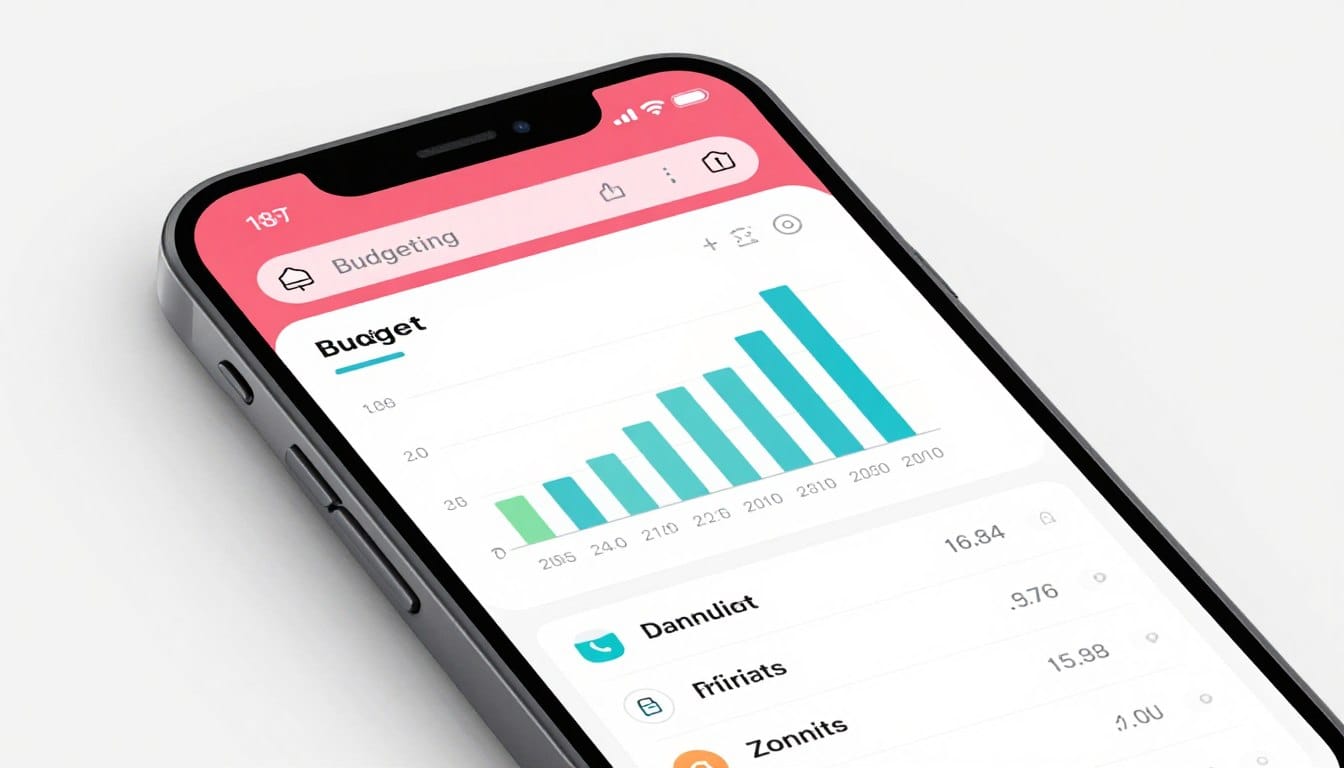
Modern budgeting technology simplifies the way you manage your financial life. Digital tools like mobile apps or the Citizens Savings Tracker consolidate all your data in one convenient location for analysis.
These tools can automatically categorize transactions and provide personalized recommendations for your savings. Using technology ensures you stay on track while finding extra money to set aside for the future.
By leveraging these digital assistants, you can visualize your progress and stay highly motivated throughout the year. Automation turns the hard work of tracking into a simple, daily habit.
Create and Implement a Realistic Budget Strategy

Mapping out your finances with a clear strategy makes the goal of hitting a five-figure milestone much more achievable. A budget serves as your financial roadmap, providing clear visibility into how you allocate every dollar of your income. By identifying exactly where your money goes, you can easily redirect funds toward your $10,000 savings plan.
Effective financial management requires understanding the difference between needs and wants. When you document your cash flow, you uncover hidden opportunities to cut back on spending. This process ensures that your money works for your future goals instead of disappearing on impulse buys.
Apply the 50/30/20 Budgeting Rule
The 50/30/20 rule is a proven method for managing monthly income without feeling overly restricted. This budgeting framework simplifies your life by providing clear percentage guidelines for your paycheck. It helps you quickly determine exactly how much cash should flow into your different accounts.
| Category | Percentage | Description |
|---|---|---|
| Needs | 50% | Housing, utilities, and groceries |
| Wants | 30% | Dining out, hobbies, and subscriptions |
| Savings | 20% | Emergency funds and the $10k goal |
Set Up Automatic Transfers to Savings
One effective way to stay consistent is to automate your finances as much as possible. You should set up automatic transfers from your checking account to your savings account immediately after payday. This action removes the temptation to spend money that you already earmarked for your long-term goal.
Using direct deposit transfers creates a systematic process that requires no manual effort from you. This type of automation removes the burden of willpower from the equation. It turns your goal into a background process that happens while you live your life.
Use the “Pay Yourself First” Method
The “pay yourself first” rule is a powerful alternative approach to managing your wealth. It ensures your savings contributions happen immediately when you receive your paycheck. You fund your goals before any discretionary spending or bill payments occur.
“Do not save what is left after spending, but spend what is left after saving.”
Treating your savings as a non-negotiable expense creates a massive psychological advantage. Instead of hoping for leftover money at the end of the month, you prioritize your future self first. This shift in mindset turns a simple budget into a tool for financial freedom.
Cut Unnecessary Expenses to Free Up Cash

Finding extra cash often starts with looking closely at where your money goes every day. Many households discover that small, recurring spending habits drain their bank accounts faster than large purchases. By identifying these leaks, you can redirect those funds toward your $10,000 goal.
Trimming your lifestyle does not mean you have to live without joy. Instead, it involves being more intentional with every dollar you earn. Here are the most effective strategies to lower your monthly outflow.
Slash Your Grocery Budget
Food is often the largest flexible cost in a household budget. Finance blogger Kelly Anne Smith found that she could save between $150 and $200 every month. She did this by getting “hardcore on groceries“ and changing her shopping habits.
Shop Your Pantry First
Before heading to the store, take a full inventory of your kitchen. Use the ingredients you already own to plan your weekly meals. Repurposing existing items into new recipes helps you avoid waste and keeps your spending low.
Use Coupons and Comparison Shopping Apps
Smart shoppers use technology to find the best deals across multiple stores. Comparison apps can show you where items are cheapest before you leave the house. Making fewer trips to the store also reduces the temptation to buy items you do not need.
Eliminate Dining Out and Takeout Spending
Eating at restaurants can quickly destroy your savings progress. Financial coach Martina A. and her husband stopped eating out almost entirely. They look up recipes for foods they crave and prepare them at home for a fraction of the price.
This approach also provides leftovers for the next day’s lunch. By skipping the midday takeout, you effectively double the value of every meal you cook. Small adjustments like this keep your food costs under control.
Cancel Unused Subscriptions and Streaming Services
Research shows that nearly half of people with streaming services pay for subscriptions they do not actually use. These small monthly charges add up to hundreds of dollars over a year.
“Reviewing your bank and credit card statements is the fastest way to find hidden costs you can eliminate immediately.”
Go through every line on your monthly card statement to find recurring charges. If you have not used a service in thirty days, cancel it. Trimming these subscriptions keeps more cash in your pocket without changing your daily routine.
Reduce Insurance Premiums
Call your providers to see if you qualify for discounts or better rates. Raising your deductible or bundling policies can lower your monthly expenses significantly. Shopping around once a year ensures you are not overpaying for coverage.
Buy Secondhand Instead of New
Choosing used items is one of the smartest ways to keep your expenses under control. When Martina A. moved, she furnished her entire apartment with secondhand furniture. This allowed her to create a beautiful home without spending thousands of dollars on brand-new pieces.
Prioritizing quality used goods over expensive new items speeds up your savings. You can often find high-end brands for a fraction of their retail price at thrift stores or online marketplaces.
| Expense Category | Saving Strategy | Estimated Monthly Savings |
|---|---|---|
| Food Costs | Pantry shopping and home cooking | $150 – $200 |
| Entertainment | Canceling unused streaming | $20 – $50 |
| Home Goods | Buying secondhand items | $100 – $300 |
Boost Your Income with Side Hustles and Extra Earnings
While cutting costs is vital, finance expert Kelly Anne Smith credits side hustles as a huge factor in her success. Increasing your income is just as important as reducing spending to reach your year end target.
By finding a new path to earn, you can reach $10,000 much faster than relying on a salary alone. Adding revenue streams provides the extra fuel needed to hit your goal without feeling deprived.
Start Freelancing or Virtual Assistant Work

Virtual assistant work is the fastest way to generate extra money without a specialized degree. You can offer services like data entry or event planning on freelance work platforms such as Upwork and Fiverr.
Many people also find success through local networks. You can help busy professionals with home organization or administrative tasks for an hourly fee.
Leverage the Sharing Economy
Your existing assets can become powerful tools for building wealth with very little effort. Turning what you already own into a profit center is a smart financial move.
Rent Out a Room on Airbnb
Renting out a spare room can bring in significant cash. If you rent a space for $150 a night just two days a month, you could earn $3,600 annually.
Some homeowners even choose to stay with family for one weekend a month. This allows them to rent their entire home to tourists for a higher rate.
Share Your Car or Parking Space
You can turn your car or an unused parking spot into a passive income source. Specialized apps allow you to rent out your vehicle when you are not using it.
This method requires very little time but provides consistent returns throughout the month. It is an excellent strategy for those with busy schedules.
Negotiate a Raise at Your Current Job
Don’t forget to optimize your primary source of money. Research current market rates for your role and present a value-based case to your manager.
A successful negotiation can permanently increase your income. This boost happens without requiring extra hours of work each week.
Redirect Your Tax Refund to Savings
In 2023, the average tax refund was $2,753. Since two-thirds of taxpayers receive a tax refund, this is a massive opportunity to jumpstart your savings.
Put this windfall into a certificate of deposit immediately. This choice allows you to earn higher interest and grow your income even further as you near your goal.
Choose the Right Savings Accounts and Investment Options
Your choice of financial tools determines how fast your balance grows over the next twelve months. Where you store your money is a strategic decision that affects your final results. It is not just an afterthought.
Choosing the correct place for your cash ensures every dollar works for you. Using the right tools allows you to reach your $10,000 goal with less stress and more efficiency.
Open a High-Yield Savings Account

Using a high-yield savings option at an online bank or credit union is a smart move. These financial accounts offer much higher interest rates than standard ones. This means your savings grow faster through the power of compound interest.
Higher rates translate directly to more money earned on your deposits. You earn this extra cash without any additional effort or market risk. It is a simple way to accelerate your progress.
Consider Certificates of Deposit for Higher Returns

A certificate of deposit (CD) locks your funds for a set time. You can choose terms from three months up to five years. This type of savings account offers a fixed interest rate that is often quite competitive.
CDs eliminate market volatility while ensuring steady and predictable growth. They are ideal if you do not need immediate access to your funds before the maturity date. This guaranteed return helps you stay on track.
Keep Your Savings Separate from Checking
Move your money into a dedicated account specifically for this $10,000 goal. Keeping funds separate from your checking account reduces the temptation to spend. It prevents accidental spending on daily needs that do not match your vision.
Separating your funds creates a psychological barrier against impulse buys. Set up an automatic deposit with every paycheck from your main account. This ensures you are saving money without having to think about it manually.
Maximize Interest Earnings with Smart Account Choices
Compare different savings accounts across several bank options to find the best deal. Identifying the best high-yield savings features can earn you hundreds of dollars in extra cash. The right choice moves you closer to your goal faster.
Always look for accounts that do not charge monthly maintenance fees. Managing a money market account can also boost savings even further. Every extra bit of high-yield savings profit brings you closer to your $10,000 dream.
Opening a new savings account is a simple step that pays off. Identify savings accounts with the highest terms and move your money today. Consistency and the right tools make a massive difference over time.
Avoid Common Savings Mistakes and Stay on Track

Achieving your $10,000 milestone depends on your ability to sidestep the errors that often derail new savers. Protecting your progress is just as important as the act of saving itself. Without a strong defense, small oversights can quickly turn into major financial setbacks.
Account for Variable and Irregular Expenses
Not accounting for variable expenses is a common pitfall. Car maintenance and holiday gifts are inevitable but often forgotten in a weekly plan. List these costs early and set aside monthly portions to keep your budget safe.
Avoid Taking On New Debt
It is vital to avoid a new credit card balance while you are focused on saving money. Adding a new monthly payment for a car or furniture will slow your momentum. High-interest credit is a trap that turns small purchases into long-term burdens.
Avoid using a credit card for non-emergencies or relying on “buy now, pay later” strategies. Every new credit obligation eats into your future wealth. Unplanned credit card charges can destroy months of hard work.
Keep your card tucked away to ensure long-term success. Using your card for items you do not strictly need is a risky habit. Even a store card with a low credit limit can lead to a missed payment if you are not careful.
Resist Impulse Purchases with the 24-Hour Rule
When you see something you want, wait one full day before buying it. This time allows your brain to cool down and focus on your long-term goal. Usually, the desire to use the plastic card will fade away once the initial excitement passes.
Don’t Be Overly Restrictive with Your Budget
Being too strict with spending can lead to heavy stress. If your life feels miserable, you might give up on your goals entirely. Allow a small amount for fun to keep your plan sustainable for the full twelve months.
Regularly Review and Adjust Your Savings Plan
Financial health changes, and so should your approach. Reviewing your credit situation helps you stay realistic as your income grows or rent increases. Regular checks keep your goals within reach and your credit score healthy.
| Saving Pitfall | Financial Impact | Smart Solution |
|---|---|---|
| Unplanned Repairs | Budget Shortfall | Create Sinking Funds |
| Impulse Spending | Cash Leakage | Apply 24-Hour Rule |
| New Debt | Interest Charges | Freeze New Borrowing |
| Extreme Austerity | Motivation Burnout | Include Small Rewards |
Conclusion
Reaching a $10,000 saving goal within a single year requires smart strategies and effort. While this amount may feel big, a How to Save $10,000 in One Year (Step-by-Step Plan) makes it easy. You should combine ways to cut costs with ways to boost your income each month.
Set up automatic transfers to a high-yield account to grow your savings faster. You might also use a certificate of deposit for that amount. Many people see their savings grow when they track their budget every month. If you miss your target one month, keep focusing on your goals.
A successful savings journey is about more than just a bank balance. It means a life with less stress and more freedom. By saving money consistently, you prove you can reach your goals. Start your saving 10,000 path today to save 10,000 by next year.
You can save 10,000 by sticking to your plan over time. Your savings will help you reach other big goals later. Reaching this saving 10,000 milestone is possible within one year. You will save 10,000 by using the right saving method, as consistent savings result in long-term savings. Finally, your total savings will transform your future.
| Frequency | Savings Target |
|---|---|
| Daily Target | $28 |
| Weekly Target | $192 |
| Monthly Target | $833 |
| Total Annual Savings | $10,000 |


 By
By