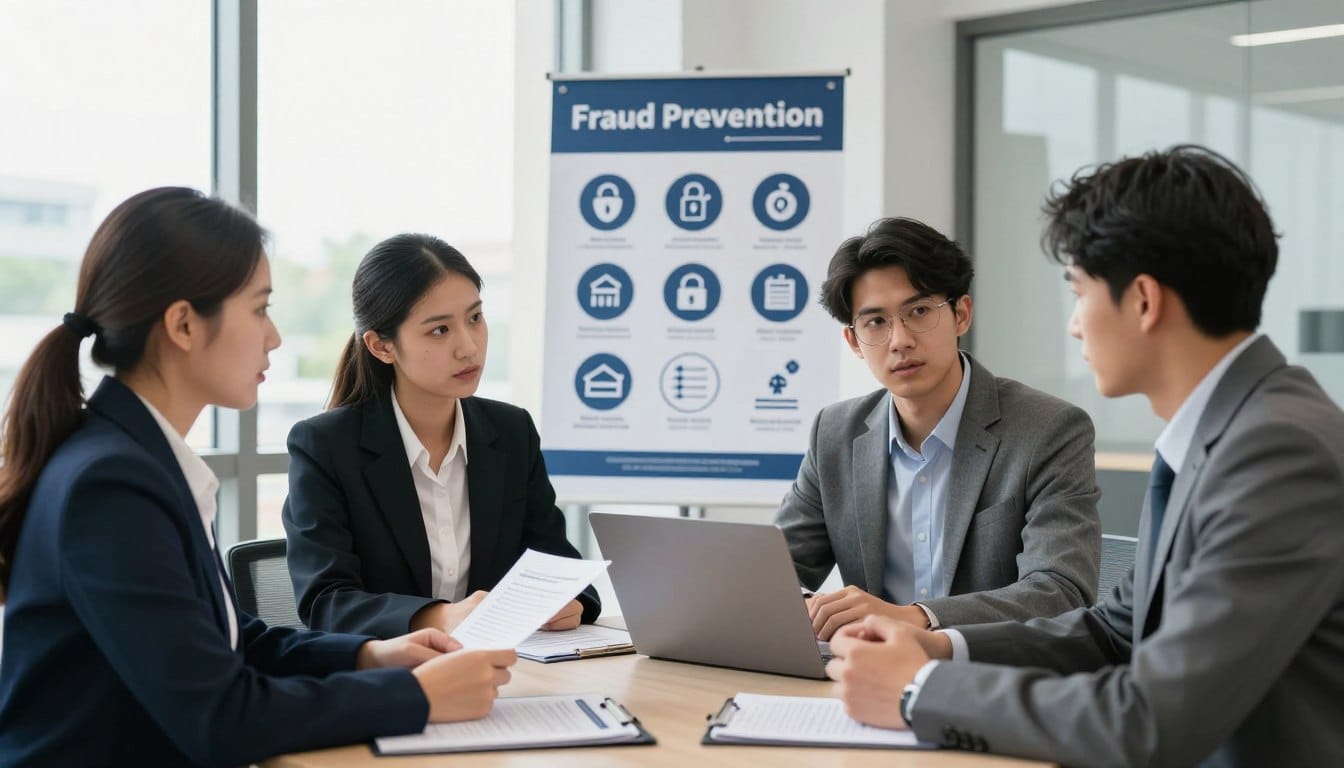


Insurance fraud is a serious issue that costs businesses billions of dollars every year. These losses are often passed on to consumers, resulting in higher premiums and diminished trust in the system. This guide aims to empower readers with actionable knowledge about their legal options and the steps they can take to avoid becoming victims of fraud.
Understanding the landscape of fraudulent activities is crucial. Awareness serves as the first line of defense for both consumers and businesses. Throughout this guide, we will explore common scams, identify red flags, and provide clear instructions on how to report any suspicious activity.
We draw from reputable sources, including the National Association of Insurance Commissioners and the Coalition Against Insurance Fraud, to ensure the information is accurate and reliable. Readers will gain insights into their legal protections and a practical toolkit for safeguarding themselves and their families.
While older adults are particularly targeted, fraud affects individuals of all ages. Scammers use increasingly sophisticated methods, necessitating constant vigilance. Remember, taking precautions is not about mistrusting honest agents; it’s about exercising due diligence in a world where fraudsters are always looking for their next target.
Understanding Insurance Fraud: Definitions and Impact
The deception involved in insurance-related schemes has persisted since the inception of the industry. This issue not only affects individual consumers but also impacts businesses and the overall economy. Understanding what constitutes fraud is essential for both consumers and providers.
What Is Insurance Fraud?
Insurance fraud is defined as any deliberate deception committed against or by an insurance company, agent, or consumer for financial gain. This criminal act carries serious legal consequences. It can manifest in various forms, including:
- Fake insurance companies that collect premiums without the intention of paying claims.
- Dishonest agents who pocket premiums and fail to report them.
- Consumers who stage accidents or exaggerate claims for financial benefit.
Who Perpetrates Insurance Fraud?
Multiple parties can engage in fraudulent activities. Fake insurance companies often lure consumers with policies priced significantly below market rates. Once they collect premiums, they may vanish or refuse to honor claims when needed. Additionally, some legitimate companies may market non-insurance products as if they were actual insurance, misleading consumers.
Consumer-perpetrated fraud is also a significant concern. Common forms include:
- Staged accidents in auto insurance.
- Exaggerated claims in workers’ compensation.
- Providing false information on applications.
Financial and Consumer Impact of Fraud
The financial implications of fraud are staggering. It costs the U.S. economy at least $80 billion annually, translating to higher premiums for honest policyholders. The Coalition Against Insurance Fraud highlights that these losses affect everyone, as they lead to increased costs across the board.
Globally, the problem is escalating. Reports indicate a 13% rise in fraudulent claims in the U.K., with significant increases in countries like South Korea and India. The COVID-19 pandemic further exacerbated these issues, creating new opportunities for fraudsters to exploit changes in underwriting and claims practices.
Insurance fraud is not a victimless crime. It strains resources of legitimate companies and complicates valid claims for honest consumers. Understanding the definitions and scope of this issue is crucial for identifying, preventing, and reporting it effectively.
| Country | Fraud Increase (%) | Estimated Cost ($) |
|---|---|---|
| United States | N/A | 80 billion |
| United Kingdom | 13 | 122 million |
| South Korea | 5 | 750 million |
Common Scams and Types of Insurance Fraud
Navigating the insurance landscape requires awareness of common scams that can affect consumers. Various fraudulent schemes exist, and understanding them is crucial for protecting your financial well-being. Here, we explore some of the most prevalent types of fraud.
Fake Insurance Companies and Bogus Policies
One of the most deceptive tactics involves fake insurance companies. These fraudsters create sophisticated storefronts and websites, appearing legitimate to unsuspecting consumers. They collect premiums with no intention of paying claims when the time comes. This leaves policyholders in a precarious situation.
Additionally, dishonest agents may pocket premiums without reporting them to the actual insurance company. This can lead to policies being canceled without the consumer’s knowledge, leaving them vulnerable.
Some scams involve selling non-insurance products under the guise of legitimate coverage. For instance, health discount plans are marketed as comprehensive health insurance but provide no real financial protection.
Consumer-Perpetrated Fraud: Staged Accidents and False Claims
Fraud is not limited to companies; individuals can also perpetrate scams. Common schemes include:
- Staged auto accidents: Participants deliberately cause collisions to file injury claims.
- Workers’ compensation fraud: Employees may fake or exaggerate workplace injuries to collect benefits.
- Application fraud: Some individuals knowingly provide false information on applications to obtain lower premiums or coverage they wouldn’t otherwise qualify for.
Life Insurance Specific Frauds
Life insurance is particularly susceptible to fraud. This includes:
- False identity schemes: Fraudsters use stolen personal information to take out policies on unsuspecting victims.
- Account takeovers: Criminals change beneficiaries on existing policies, redirecting benefits to themselves.
- Fake death claims: Individuals may stage their own deaths or fabricate documentation to collect death benefits. Notably, a U.S. case saw 23 people indicted for a $26 million life insurance scam.
- Unauthorized beneficiary changes: This growing threat often occurs when individuals with access to policyholder information exploit it for personal gain.
These scams are not isolated incidents but part of a global trend. Fraudsters continuously adapt their methods to exploit new vulnerabilities in the insurance system. Awareness of these common fraud types is the first step in protecting oneself. Recognizing the patterns of fraudulent behavior makes it significantly harder for scammers to succeed.
How to Identify Potential Insurance Fraud
Recognizing the signs of deceptive practices in the insurance sector is crucial for safeguarding your financial interests. Awareness is the first step in protecting yourself from potential scams. Below, we explore key indicators that can help you identify suspicious activities.
Red Flags in Insurance Offers and Agents
Start by examining the offers you receive. Here are some common red flags:
- Unusually low premiums: If a policy is priced significantly lower than competitors, it could be a scam.
- Inaccessible agents: Difficulty reaching an agent by phone or the absence of a listed business number should raise suspicion.
- High-pressure sales tactics: Be cautious of agents who demand immediate payment or signatures without allowing time for research.
Signs of Fraudulent Claims
Be vigilant for these warning signs when it comes to claims:
- Claims filed shortly after policy inception may indicate fraud.
- Patterns of suspicious circumstances surrounding claims can also be a red flag.
- Documentation that appears altered or inconsistent should prompt further investigation.
Warning Indicators in Policy Documentation
It’s essential to verify that your premiums are applied correctly. Watch for these indicators:
- Delayed documentation: If you do not receive your insurance ID card or policy documentation promptly, it may indicate an issue.
- Incomplete documents: Scrutinize policy documents for accuracy, official letterhead, and clear terms.
- NAIC’s protocol: Follow the “Stop. Call. Confirm.” process to verify the legitimacy of any offer.
Honest agents and legitimate insurers welcome verification efforts. They will not pressure you to skip due diligence. Recognizing these warning signs empowers you to protect yourself proactively. Remember, it’s better to be cautious than to deal with the consequences of fraud after it has occurred.
Insurance Fraud Prevention: Know Your Rights
Every consumer has the power to protect themselves from deceptive practices in the insurance industry. Understanding your rights is essential in ensuring that you are not a victim of scams. This section outlines the fundamental rights every consumer has, the verification steps before purchasing a policy, and how to report any suspicious activities.
Your Rights as an Insurance Consumer
Consumers have fundamental rights that empower them in the insurance marketplace. These include:
- The right to verify: Every consumer can confirm the legitimacy and licensing status of any insurance company or agent before purchasing a policy.
- The right to accurate documentation: Consumers are entitled to receive complete and accurate policy documentation in a timely manner.
Steps to Take Before Purchase: Verification and Licensing Checks
Before signing any paperwork or making payments, it’s crucial to follow these steps:
- Contact your state insurance department: This is the first step to confirm that both the company and the agent are properly licensed.
- Utilize the “Stop. Call. Confirm.” approach: Stop before making any commitments, call your state insurance department, and confirm the legitimacy of the offer.
How to Report Suspected Fraud
If you suspect fraudulent activity, take action immediately. Here are the avenues available for reporting:
- File a complaint with your state insurance department.
- Submit a report through the Online Fraud Reporting System.
- Contact your state attorney general’s office for assistance.
State and National Resources for Fraud Prevention
Most states have special fraud bureaus dedicated to investigating insurance fraud. These bureaus accept referrals from law enforcement, insurance companies, and consumer complaints. The National Association of Insurance Commissioners (NAIC) plays a vital role by providing expertise and data to help regulate the industry and protect consumers.
Reporting suspected fraud is not just a personal protective measure; it is a civic responsibility. By doing so, you help protect other consumers and contribute to the broader effort against fraudulent activities. Remember, you should never feel embarrassed or hesitant about reporting. Early reporting can prevent further victimization and assist authorities in building cases against fraudsters.
Knowing and exercising these rights transforms consumers from potential victims into empowered participants in the fight against fraud. You have clear pathways to verification, reporting, and recourse.
| Resource | Contact Information | Purpose |
|---|---|---|
| State Insurance Department | Varies by state | Verify licensing and report fraud |
| Online Fraud Reporting System | www.fraudreporting.org | Submit fraud reports |
| State Attorney General’s Office | Varies by state | Legal assistance and fraud reporting |
| National Association of Insurance Commissioners | www.naic.org | Regulatory support and consumer protection |
Best Practices for Insurance Companies to Combat Fraud
In the battle against deceptive practices, insurance companies must adopt proactive strategies. Implementing robust claim controls is essential to verify the legitimacy of claims. This includes conducting random post-claim audits, especially when accepting copies or waiving requirements like death certificates. Such measures ensure that claims are thoroughly vetted before approval.
Reinsurers, like RGA, provide valuable insights by reviewing hundreds of thousands of claims each year. They can identify patterns, such as the same individual appearing in claims across different companies, which can help flag potential fraudulent activity.
Consistent and ongoing education for claims teams is crucial. Fraudsters continually adapt their methods, and initial training without regular follow-up can leave examiners ill-equipped to identify emerging schemes. Therefore, training should be an ongoing process to keep staff updated on the latest tactics used by fraudsters.
Fraud prevention must extend beyond just the claims and underwriting departments. Call center staff, policyholder services professionals, and accounting personnel also play vital roles. They may notice discrepancies with names on checks or identify payees with no insurable interest. Breaking down organizational silos and promoting cross-department collaboration ensures that information flows freely across all steps of the customer journey.
Data analytics and predictive modeling are becoming increasingly important in detecting fraud. Data scientists at life insurance companies are developing new approaches to connect data points. This helps identify combinations that may indicate potential fraud. Utilizing these advanced techniques can significantly enhance fraud detection capabilities.
Industry partnerships and conference attendance are also essential for staying current on fraud trends. Events like the RGA Fraud Conference and memberships in organizations such as the International Claim Association and the Coalition Against Insurance Fraud provide valuable resources for knowledge sharing.
The goal of a robust fraud management system is not merely to deny suspicious claims but to verify their legitimacy. This approach allows insurers to confidently pay valid claims and fulfill the promise of financial protection made to policyholders. Enhanced communication between underwriting and claims teams is necessary, especially with modified requirements adopted during the COVID-19 pandemic.
Ultimately, effective fraud management is both a business imperative and an ethical obligation. It protects honest policyholders, maintains the financial stability of insurance companies, and upholds the integrity of the entire industry.

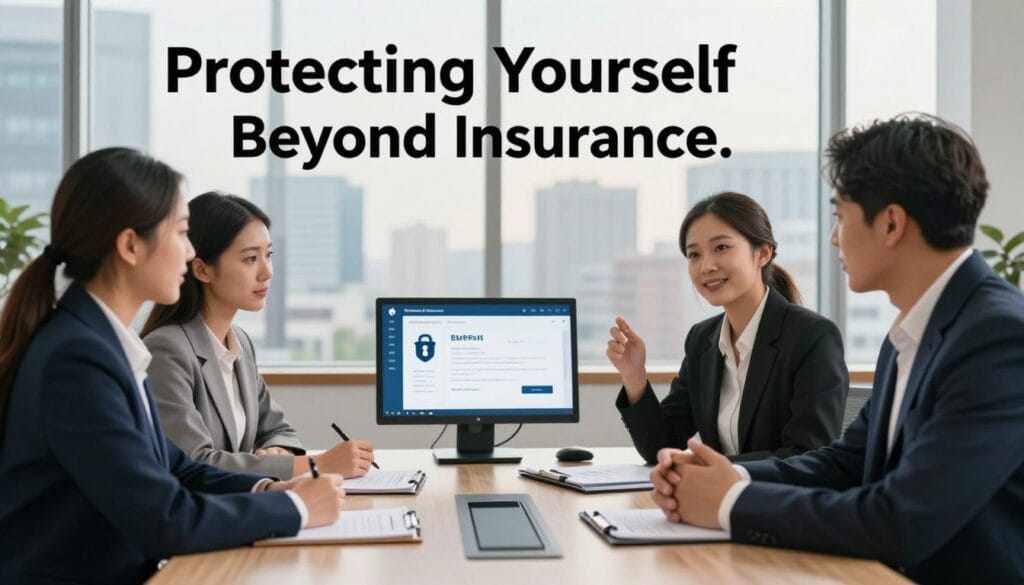
Protecting Yourself Beyond Insurance: Credit Freezes and Fraud Alerts
Protecting your financial identity goes beyond merely safeguarding against scams. Understanding tools like credit freezes and fraud alerts can enhance your security. These measures are vital in the fight against identity theft and can help you stay one step ahead of potential threats.
What Is a Credit Freeze and How to Use It
A credit freeze is a powerful tool that prevents anyone from opening new credit accounts in your name. This means that even if a thief has your personal information, they cannot create new accounts. Here are some key points about credit freezes:
- Cost-free: Placing and lifting a credit freeze is completely free.
- No impact on credit scores: A credit freeze does not affect your credit score.
- Indefinite duration: It lasts until you choose to lift it.
- Requires action with all bureaus: You must contact Equifax, Experian, and TransUnion separately to freeze your credit.
Understanding Fraud Alerts: Initial, Extended, and Active Duty
Fraud alerts serve as a warning system for lenders, requiring them to verify your identity before granting new credit. There are three types of fraud alerts:
- Initial fraud alerts: Last for one year and can be renewed. They require businesses to verify your identity.
- Extended fraud alerts: Last for seven years and are available if you have filed an FTC identity theft report or police report.
- Active duty alerts: Specifically for military personnel, lasting one year and removing them from marketing lists for unsolicited offers.
Freezing Your Child’s Credit and Monitoring Your Reports
Protecting children from identity theft is crucial. Parents can request free credit freezes for children under 16, preventing fraudsters from exploiting their clean credit history. Additionally, regularly checking your credit reports is essential. Look for unfamiliar accounts, as they may indicate identity theft.
Active duty servicemembers and National Guard members can access free electronic credit monitoring services from all three credit bureaus. This extra layer of protection is invaluable for those serving the country.
In conclusion, combining strategies for safeguarding against scams with credit freezes and fraud alerts creates a comprehensive defense system. By understanding and utilizing these tools, you can better protect your financial life from various threats.
Conclusion
Addressing the complexities of fraud in the insurance industry is essential for protecting financial interests. Consumers must remain vigilant and proactive in their efforts to combat fraud. The estimated financial impact of these deceptive practices, exceeding $80 billion annually in the U.S., affects everyone through higher premiums and diminished trust.
Throughout this guide, we emphasized fundamental consumer rights, such as the right to verify licensing and receive accurate documentation. The “Stop. Call. Confirm.” protocol is a simple yet effective habit to adopt before making any policy decisions.
Insurance companies also play a crucial role in this fight. By implementing best practices, including ongoing staff training and effective claim controls, they demonstrate a commitment to combating fraud. These efforts, combined with identity protection measures like credit freezes, create a comprehensive defense against potential threats.
We encourage you to utilize available resources, stay informed about evolving fraud trends, and share this information with others. Together, we can foster a more secure environment for all consumers.

 By
By