



Today, over 5.64 billion people use the internet. Global online sales will likely reach $6.56 trillion by 2025. A strong digital presence is vital but doesn’t ensure growth in this fierce landscape.
Succeeding in a tough market requires more than just ads. You need high-quality assets to build trust and drive revenue. Modern shoppers demand value and real connection with every company they choose.
This guide provides a roadmap to scale your business. It transforms your site into a selling machine. Learn how to engage people and turn them into loyal consumers.
Careful planning serves as the fuel to growth. These methods help a business attain significant success. Useful materials build a brand that consumers love.
Key Takeaways
- Reach a massive global audience of internet users.
- Differentiate your store in a competitive digital space.
- Build deep trust with increasingly discerning consumers.
- Use helpful material to drive long-term revenue growth.
- Transform your website into an automated sales machine.
- Master a step-by-step approach to audience engagement.
What is E-commerce Content Marketing and Why Does It Matter?
Succeeding in the digital marketplace requires a shift from aggressive selling to providing genuine value through strategic storytelling. This method, known as content marketing, focuses on creating helpful material to attract and keep a specific audience. It serves as a bridge between your brand and your potential shoppers to drive more sales.
By offering valuable information, you solve problems for your audience before they even see a product page. This strategy turns casual browsers into loyal fans. It creates a path for content to lead people naturally toward your shop.
Defining the Strategic Approach
Modern marketing is a strategic approach that uses videos, guides, and stories to help people. It is not just about making a sale today. Instead, it aims to deliver consistent value to people throughout their daily lives.
When you share expert knowledge, you position your business as a helpful resource. This marketing method helps you stand out in a crowded digital world. It focuses on the long-term health of your business rather than just quick wins.
How Material Guides Shopper Decisions
Data shows that about 66% of consumers perform online research before they decide to buy anything. High-quality content guides these customers through every step of their journey. It answers their specific customer questions and eases their doubts early on.
This information makes the final decision feel safe and informed. When content helps customers compare options, they feel more confident. Well-written content ensures that your customers have everything they need to choose your products.
“Content builds relationships. Relationships are built on trust. Trust drives revenue.”
Essential Benefits for Your Brand
One of the primary benefits of this strategy is the ability to build trust with your audience over time. When you provide honest information, you create a better customer experience that leads to loyalty. This trust makes people more likely to recommend your products to their friends.
This authority boosts your sales and improves your search engine rankings. It creates a community of people who love your brand. Over time, these relationships become your most valuable business asset.
Comparing Long-Term Value and Paid Ads
Paid ads stop working the moment you stop paying for them. However, content marketing provides lasting value that continues to attract customers for years. It reduces the cost to get new shoppers and improves your profit margins.
| Feature | Content Strategy | Paid Advertising |
|---|---|---|
| Primary Cost | Time and Creation | Cost Per Click/Impression |
| Longevity | Permanent Assets | Temporary Visibility |
| Primary Goal | Build Authority | Immediate Conversion |
This content acts as a permanent salesperson for your store. It works for you 24 hours a day without extra costs. Investing in this strategy ensures your business remains competitive for the long haul.
Types of Content Marketing That Drive Results for E-commerce

Diverse content strategies allow e-commerce businesses to connect with shoppers at every stage of their journey. By using various types of content, brands can provide value while gently nudging customers toward a purchase. This approach ensures your store remains visible and helpful across different platforms.
Blog Posts and Educational Articles
E-commerce success often starts with blog posts and educational resources. These informative articles attract organic traffic by addressing customer needs and solving specific problems. Starting with blog posts helps you establish authority and improves your search engine rankings over time.
Product Videos, Tutorials, and Demonstrations
Engaging visual content potentially transforms a browsing visitor into a loyal buyer. Product videos, tutorials, and demonstrations provide a clear view of how items work in real life. These short-form videos potentially boost conversion rates by up to 80% because they showcase products effectively.
User-Generated Content: Reviews and Customer Testimonials
Social proof is a vital part of any modern content marketing plan. Customer reviews and testimonials build credibility and trust more authentically than brand-created messages. This type of content marketing highlights real stories, making shoppers feel much more confident in their final decision.
E-books, Courses, and Webinars for Lead Generation
Long-form resources serve as powerful tools for gathering leads and building a mailing list. These resources provide valuable content while positioning you as an expert in your industry. Hosting webinars or offering courses lets you educate your audience through interactive sessions and deep information.
Influencer Content and Podcasts
Collaborating with creators helps you tap into a new audience that already trusts their recommendations. Using audio and video media like podcasts can foster a strong sense of community. Leveraging these social media channels expands your reach beyond your own website and helps build long-term loyalty.
Understanding Content Types: Awareness, Sales-Centric, and Thought Leadership
Strategic frameworks usually divide assets into three main categories. Awareness content drives traffic and visibility by focusing on broad educational topics. Sales-Centric content featuring comparisons and highlighting products focuses on closing the deal through case studies and support resources.
Finally, Thought Leadership articles build respect among peers by sharing unique insights and contrarian opinions. Most brands should focus primarily on awareness and sales until they reach a steady stream of monthly readers. This balance ensures you maximize your return on investment while growing your reputation.
| Format | Strategy Stage | Value Provided |
|---|---|---|
| Blog Posts | Awareness | SEO Traffic |
| Tutorial videos | Sales-Centric | Customer Trust |
| Customer reviews | Conversion | Social Proof |
| Mixed content | Thought Leadership | Brand Authority |
Step 1: Know Your Target Audience and Create Buyer Personas
Understanding your core audience is the foundation of every high-performing e-commerce campaign. You must look beyond basic labels to see the real people behind the screens. This clarity allows you to craft messages that truly resonate with your target audience.
Analyzing Demographics, Behavior, and Device Usage
Effective research starts with hard data to define your ideal buyer. You should analyze age, location, and interests to build a vivid customer profile. With mobile commerce hitting $4 trillion in 2025, knowing if customers use an iPhone or a desktop is vital to the target audience.
Identifying Customer Pain Points and Purchase Motivations
Every product must solve a specific problem for the buyer. Identify the challenges your audience faces daily and explain how your products provide relief. HubSpot notes that personalization makes 96% of customers more likely to return and buy more products.
Mapping the Customer Journey from Awareness to Purchase
A successful journey guides a customer from initial discovery to the final checkout. You need to understand how they interact with your brand across different platforms over time. This ensures you provide the right information at the exact moment they need it to choose your product.
Using Google Analytics and Market Data for Audience Insights
Use Google Analytics to gain deep insights into how people find your store. Track metrics like bounce rate and average session duration to see what content keeps your audience engaged. This factual data helps you refine your strategy, improve the buyer journey, and please your customers and each individual customer.
Step 2: Conduct Competitive Analysis and Audit Your Content
The global e-commerce boom makes it essential to scrutinize the digital footprint of your primary market rivals. Since 37.3% of businesses outrank others through deep research, understanding competitors is a vital SEO parameter. This process helps you define a unique value proposition that resonates with your specific audience.
Performing SWOT Analysis on Your Competitors
A structured SWOT analysis allows you to evaluate the strategies of your main rivals. You should ask why their content is more engaging or which new platforms they currently follow. Is their message clearer than yours?
Evaluate their strengths and threats to position your brand as a top industry player. You should also study their pricing and promotion tactics. Knowing their loyalty programs helps you understand what customers are willing to pay for similar items.
Analyzing Competitor Content Performance and Strategy
Review their articles, product pages, and social media to see what drives traffic. Study their content strategy to see where they focus their growth and energy. This information tells you what the market likes and where your rivals are missing the mark.
Check if they use video or just text to engage users. Seeing which formats work for them helps you choose the right media for your own site. You can use these insights to build a much better plan for your brand.
Auditing Your Existing Content Assets
Before moving forward, you must assess your own content for quality and performance. Use data to see which pages bring in buyers and which ones fail to engage. Every seo effort should help your overall strategy and meet your business goals.
Update or remove old posts that no longer help your readers. Evaluate if your current pages are still relevant to your target audience. High-quality content must provide clear value to stay competitive in search rankings.
Identifying Content Gaps and New Opportunities
Finding untapped topics is the best way to build a solid content strategy. Use marketing tools to find areas where competitors have weak coverage or poor quality. By filling these gaps, you create a stronger strategy that captures attention.
Strong online presence starts with being the most helpful source for your customers. Focus on targeting keywords that your rivals currently ignore. This proactive approach ensures your brand remains visible in a crowded and noisy digital market.
Step 3: Build Your Content Marketing Strategy for E-commerce Brands
A solid content marketing strategy serves as the engine for your brand, powering every interaction from discovery to the final checkout. This roadmap ensures every piece of content you produce has a specific purpose and target.
Growing a profitable e-commerce business requires a well-executed content marketing strategy, especially for direct-to-consumer brands. High-quality content acts as the fuel that drives traffic and converts casual browsers into loyal buyers. Investing in a clear content strategy is essential for long-term growth and sustainable traffic.
Conducting Keyword Research for E-commerce

Effective seo starts with understanding exactly what your target audience is looking for online. This strategy helps you create marketing materials that meet customer needs and grab their attention immediately.
By using professional search tools, you can identify the exact terms that lead to sales rather than just views. This process ensures your page ranks for terms that actually matter to your bottom line. You must find the right content to fill the gaps in your current reach.
Finding Business-Centric Keywords with Purchase Intent
Start by identifying relevant terms related to your specific products and services. Focus on keyword variations and long-tail phrases that signal a user is ready to make a purchase.
Informational queries are good for awareness, but business-centric keywords drive revenue. Look for terms like “best price for” or “where to buy” to capture shoppers in the final stage of their journey.
Balancing Keyword Difficulty and Search Volume
To rank well in a search engine, new businesses should target keywords with low difficulty and decent volume. This allows you to gain traction over time without fighting massive competitors.
Established brands can choose keywords with medium difficulty to capture higher search volume. Always filter your search results to find the “sweet spot” where competition is manageable but interest remains high.
Building Topic Pillars and Content Clusters
Create a comprehensive ecosystem by linking broad pillar topics to specific cluster articles. This content strategy boosts your authority and helps you rank for multiple related terms simultaneously.
Pillar pages provide a wide overview of a major topic in your industry. Cluster content then dives deep into specific subtopics, creating a web of information that search engines love.
Setting Short-Term vs. Long-Term Ranking Goals
A balanced content marketing strategy distinguishes between quick wins and long-term growth. Some keywords can rank within weeks, while others take months of marketing effort and consistent link building.
It is vital to set realistic expectations for your marketing team. Focus on low-competition terms for immediate results while steadily chipping away at high-volume, competitive phrases.
Creating a Content Calendar and Production Workflow
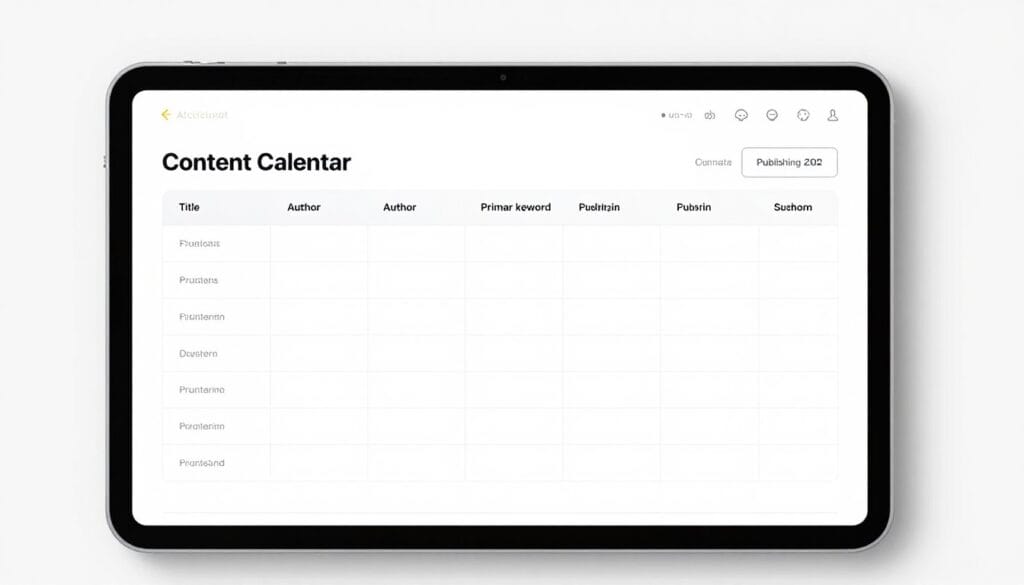
A standardized template keeps your seo tasks organized across multiple social and web platforms. Using a documented strategy reduces last-minute stress and ensures every piece of content is accurate and engaging.
Allocating time for research, writing, and optimization is vital for any business. A clear calendar ensures your content remains consistent, helping you stay on track to meet your long-term revenue goals.
Step 4: Create High-Quality, Compelling Content
Crafting compelling narratives is the secret to turning casual visitors into loyal brand advocates. Once you identify your keywords, you must produce material that informs and educates your audience. This stage of your marketing efforts transforms basic data into a helpful shopping experience.
High-value writing does more than just fill space on a webpage. It acts as a guide that leads a person from curiosity to a final decision. By providing clear value, you establish your business as a leader in your specific niche.
“Content is the bridge between a brand’s promise and the customer’s reality.”
Writing Engaging Blog Posts and Product Descriptions
Your blog posts should provide answers to the questions your customers are asking online. Focus on delivering high quality insights rather than just listing features of a specific item. You want to solve problems while keeping the reader engaged with every sentence.
Effective product descriptions give shoppers clarity so they feel confident before they click the buy button. Avoid generic lists and focus on how the product improves the user’s daily life. Clear, descriptive language helps reduce confusion and minimizes the rate of returns.
| Feature | Generic Content | High-Quality Content |
|---|---|---|
| Primary Focus | Keyword stuffing | User intent and value |
| Tone of Voice | Robotic or flat | Engaging brand narrative |
| Goal | Fill the page | Educate and convert |
Incorporating Storytelling and Brand Narrative
Storytelling connects your brand to your audience through shared emotions and values. Instead of just selling a product, tell a story about how that item solves a real-world problem. This humanizes your e-commerce business and builds a lasting experience that drives repeat sales.
Think about a specific anecdote that highlights your company’s mission. Sharing a unique perspective or original data makes your work stand out from competitors. This differentiation tells search engines that you are offering something truly new to the digital world.
Optimizing for Readability: Format, Structure, and Flow
Online readers tend to scan pages quickly to find the information they need. Use short paragraphs and descriptive subheadings to keep the content easy to digest. A logical flow ensures that your message remains clear even on small mobile devices.
Break up large blocks of text to maintain the reader’s interest. Use simple language that effectively communicates your message without unnecessary jargon. A clean structure allows the most important points to shine through immediately.
Essential Content Writing Tips for E-commerce
Maintain a consistent voice across all platforms to strengthen your brand identity. Avoid redundant phrases that clutter your writing and distract the reader from the main product benefits. Following these practical tips will lead to better engagement and higher conversion rates:
- Fix all grammar and spelling issues immediately to maintain professional standards.
- Ensure every piece of content stays relevant to your target niche.
- Use bold text to highlight the most important benefits for the user.
- Utilize bulleted lists to make complex data easier to scan.
Excellent marketing requires you to bring original value to every topic you cover. Differentiating your quality work from others shows search engines that you are not just rephrasing existing results. This strategy leads to higher search rankings and increased trust from your customers.
Step 5: Promote Your Content Across Multiple Channels

Strategic distribution is the engine that drives your e-commerce assets toward the right consumers at the perfect time. Creating high-quality content is vital, but without a clear promotion plan, your message might get lost in the digital noise. You must utilize diverse channels to ensure your brand stays visible and relevant to your shoppers.
Leveraging Social Media Platforms for Maximum Reach
A strong social media presence is a necessity for many e-commerce businesses today. These platforms offer unparalleled opportunities to connect with your target audience and build awareness. By choosing the right media networks, you can drive significant traffic back to your online store.
Instagram and TikTok: Visual Product Showcasing
Instagram is a major trend with 1.4 billion monthly active users. You should create high-quality videos and reels tailored to what your customers enjoy watching. These platforms allow you to showcase products in action, making them more appealing to a wider customer segment.
Facebook and LinkedIn: Building Brand Community
Facebook supports a huge variety of formats, from long articles to short clips. It is an excellent place to build a loyal community around your brand. Meanwhile, LinkedIn is perfect for professional media updates and thought leadership pieces that establish your authority.
Making Content Shoppable with Direct Links
To boost conversions, you should optimize your “about” sections and use shoppable bio links. Use live shopping features and incorporate WhatsApp links to engage customers directly. Highlighting user-generated content provides the social proof needed to turn a browser into a buyer.
Collaborating with Influencers and Brand Ambassadors
Partnering with influencers allows you to tap into established groups that already trust the creator’s voice. These ambassadors promote your marketing message through authentic third-party endorsements. This strategy expands your reach exponentially and places your products in front of fresh eyes.
Integrating Email and SMS Marketing with Content Strategy
Email and SMS marketing are perfect tools to pair with your creative efforts. While content attracts initial visitors, these direct channels allow you to sell to those customers regularly. Sending personalized updates keeps your store at the top of their minds and maximizes customer lifetime value.
Using Social Media Analytics to Optimize Performance
Most social media platforms provide built-in dashboards to track the performance of your posts and videos. You can use this data to understand your audience and find the best times to post. Leveraging AI-powered tools can further streamline this process and improve your targeting accuracy.
“Strategic distribution determines whether your message reaches and converts the target audience or simply fades away.”
Using these insights helps you refine your approach and boost your overall conversions. Consistently monitoring your results ensures that your marketing budget is spent on the most effective tactics.
| Platform | Primary Content Type | Key Benefit for Brands |
|---|---|---|
| Photos & Reels | High visual engagement and shoppable posts. | |
| TikTok | Short-form Video | Viral potential and younger demographic reach. |
| Articles & News | Establishing professional authority and B2B leads. | |
| Diverse Formats | Community building and robust ad targeting. |
Step 6: Track Performance and Optimize Your Strategy
Achieving sustainable growth requires moving beyond guesswork and embracing a culture of constant measurement. Simply launching an e-commerce store and hoping for massive returns is rarely the right approach. Instead, you must actively monitor your performance and analyze customer behavior to make informed choices for your content strategy.
Essential Metrics to Monitor for E-commerce Content
Tracking specific data points allows you to see how your marketing efforts impact your bottom line. You can identify which pieces of content resonate with your customers and which ones fail to engage. These measurable goals are the only way to ensure long-term success for your digital brand.
Website Traffic and Traffic Sources
Understanding where your traffic comes from allows you to spend your budget wisely. You can see which social channels or search terms bring the most people to your site. This helps you allocate marketing resources effectively across different platforms to maximize reach.
Conversion Rate and Average Order Value
Tracking conversions tells you the percentage of visitors who actually buy a product. You should also watch the average order value to see how much each customer spends per transaction. High-quality content should drive both of these metrics to increase your total sales.
Bounce Rate, Time on Page, and Engagement Metrics
A high bounce rate often means users are leaving your page too quickly because they didn’t find what they needed. Monitoring how much time your audience spends on a site shows if your articles are interesting. Interaction rates help you see if customers are clicking your call-to-action buttons.
Using Analytics Tools to Measure Success
E-commerce analytics and tracking tools like Google Analytics or Hotjar provide deep success indicators. These platforms track user behavior on every page over time. Regularly checking these tools helps you spot patterns and shifts in user interest before they affect your traffic.
Making Data-Driven Adjustments and Improvements
Use your insights to refine your content and double down on what works. If a specific video format drives sales, create more of that style immediately. Continuous optimization ensures you cut back on weak initiatives and focus on data that helps your business grow.
Common Content Marketing Mistakes to Avoid
Many e-commerce brands hit a plateau because they unknowingly repeat the same content-related blunders. While creating content is a powerful tool, small missteps can drain your budget quickly. Learning what to avoid is just as important as knowing which tactics to implement for growth.
Creating Content Without a Defined Strategy or Goals
Jumping into production without a clear strategy often leads to wasted resources and inconsistent messaging. You must define your specific goals and promotion channels before you start writing any articles. This ensures every piece of content serves a direct purpose for your broader marketing efforts.
Neglecting to Research Your Target Audience
High-performing campaigns depend on a deep understanding of the target audience. If you skip deep market research, your message will likely fail to resonate with your primary audience. Use website data and buyer personas to identify exactly what your customer needs to hear.
Prioritizing Quantity Over Content Quality
It is a common myth that posting every day is the only way to win in search rankings. In reality, poor quality can actually hurt your brand reputation and drive people away. Focus on creating helpful content that solves real problems for your customers instead of just filling a calendar.
Ignoring User-Generated Content and Social Proof
Many brands fail to leverage the power of authentic customer reviews. Showcasing real experiences on social media builds trust far faster than standard corporate advertisements. This type of social proof provides the validation necessary to turn skeptical browsers into loyal customers.
Giving Up Too Early: The Reality of Long-Term Results
Effective marketing requires significant time to show its true potential in the e-commerce space. Most brands see minimal growth in the first three months while they build their foundation. However, maintaining consistency is the only way to achieve long-term success for the business.
Be patient and consistent with your efforts. Success is measured in months and years, not days and weeks.
Consider the growth of a real e-commerce client who stayed the course. Their organic traffic was flat for the first few months but surged by 535.1% by the end of the year. Furthermore, their revenue from that organic traffic increased by 80.8% because they did not stop prematurely.
| Mistake | Strategic Solution | Expected Result |
|---|---|---|
| Lack of Planning | Create a content calendar | Consistent Brand Voice |
| Low Quality | Hire expert writers | Higher Conversion Rates |
| Quitting Early | Track 12-month metrics | Exponential Traffic Growth |
Conclusion
Mastering the art of content marketing offers a reliable path to sustainable e-commerce growth. This guide has detailed how high-quality assets serve as the backbone of a modern business. By using these proven strategies, you can transform your website into a powerful sales-generating machine.
A well-executed marketing strategy helps you build trust and authority with your target audience. You attract customers by addressing their specific needs and pain points through informative guides. This approach ensures your brand stays top-of-mind when they are finally ready to purchase.
Don’t forget that content marketing is a long-term investment that compounds over time. While it may not seem as flashy as viral ads, it consistently improves your search engine rankings. Better seo visibility leads to more organic traffic and higher sales for your featured products.
Achieving success requires a consistent process and a clear content calendar. Identify the topics your audience searches for and link them back to your category pages. Whether you choose a DIY path or hire experts, starting your content marketing journey today is essential for future growth.


 By
By














One point that stands out is the shift from pushing products to providing useful information that helps customers solve problems first. In e-commerce, that approach not only builds trust but also creates stronger long-term relationships, especially when content is tailored to the audience’s specific needs and questions.
Thank you for this fantastic insight! You’ve highlighted the exact shift from transactional selling to relationship building. In modern e-commerce, value-first content acts as a powerful trust accelerator. When brands stop shouting ‘buy now’ and start answering their audience’s exact pain points, customer loyalty naturally follows. We truly appreciate you adding this strategic point to the discussion!