

For any owner, having the right coverage is crucial. It protects against unexpected events like accidents and lawsuits. Without proper protection, a single incident could lead to significant financial losses. In the United States, the rules surrounding coverage vary by state and industry. This makes it essential for owners to know their legal obligations and the types of coverage available.
This guide simplifies the complexities of business insurance. It draws insights from experts across the country, focusing on key areas such as Texas, where workers’ compensation isn’t mandatory for most employers. By the end of this article, readers will grasp the essential types of coverage, how their business structure impacts their needs, and strategies for managing costs effectively.
Moreover, understanding the specific needs of your business is vital. It helps in selecting policies that provide the best protection. This guide aims to empower owners with knowledge, ensuring they make informed decisions for long-term stability.
Key Takeaways
- Proper coverage is essential for protecting against financial losses.
- Insurance requirements vary by state and industry.
- Common types of coverage include general liability and workers’ compensation.
- Your business structure affects your insurance needs.
- Location can influence coverage requirements.
- Strategies exist to manage insurance costs effectively.
Introduction: Why Business Insurance Matters for Every Business Owner
Every business owner must prioritize adequate coverage to safeguard their enterprise. In today’s world, a single incident can halt operations. Whether it’s an accident, lawsuit, or cyber threat, the consequences can be severe. That’s why having the right protection is not just about meeting legal standards; it’s about ensuring continuity.
Insurance plays a crucial role in helping businesses recover swiftly. It protects cash flow and maintains credibility with clients, vendors, and employees. From customer interactions to property management, every aspect of operations faces risks that could disrupt growth or even threaten survival.
- Business insurance serves as a primary financial shield, separating temporary setbacks from permanent closures due to unexpected events.
- Modern owners face a complex risk landscape, including traditional physical dangers and emerging cyber threats.
- The right coverage ensures continuity by protecting cash flow and covering legal defense costs.
- Many underestimate the costs of being uninsured or underinsured until facing claims that exceed their assets.
- Insurance signals credibility to clients and vendors, often required before signing contracts.
- Having appropriate coverage shows a commitment to protecting employees and the community.
- This responsibility evolves as the business grows and changes, making ongoing education essential.
Understanding Business Insurance Requirements in the United States
Navigating the landscape of coverage options is essential for any business owner. In the United States, insurance requirements differ significantly by state. This creates a complex environment that business owners must understand to ensure compliance and protection.
In Texas, for instance, the landscape is particularly unique. While workers’ compensation insurance is not mandatory for most private employers, businesses opting out must notify their employees in writing. Additionally, they must report this decision to the Texas Division of Workers’ Compensation each year.
Commercial auto insurance is another area where legal requirements are clear. Any business that owns or operates vehicles must carry this type of coverage. Texas mandates minimum liability limits, which many businesses often exceed for added protection.
Industry-specific insurance requirements often arise from licensing boards rather than state law. For example, healthcare providers are typically required to have malpractice insurance, while contractors may need bonding and builder’s risk coverage. Financial professionals also face specific mandates for professional liability coverage.
Even when certain types of coverage are not legally required, many clients, landlords, and contractors may demand proof of insurance before engaging in business. This reality highlights the importance of understanding both legal and contractual obligations.
Businesses that operate across state lines or employ remote workers face additional challenges. They must comply with the insurance requirements of each jurisdiction, creating a complex compliance landscape that often necessitates professional guidance.
Ultimately, distinguishing between legally required coverage and recommended coverage helps business owners make informed decisions. This balance allows them to manage compliance costs while ensuring adequate risk protection.
| Type of Coverage | Requirement in Texas | Notes |
|---|---|---|
| Workers’ Compensation | Not mandatory for most private employers | Must notify employees if opting out |
| Commercial Auto Insurance | Required for business-owned vehicles | Minimum liability limits mandated |
| Professional Liability | Varies by industry | Often required by licensing boards |
| General Liability | Recommended but not always required | Protects against claims of negligence |
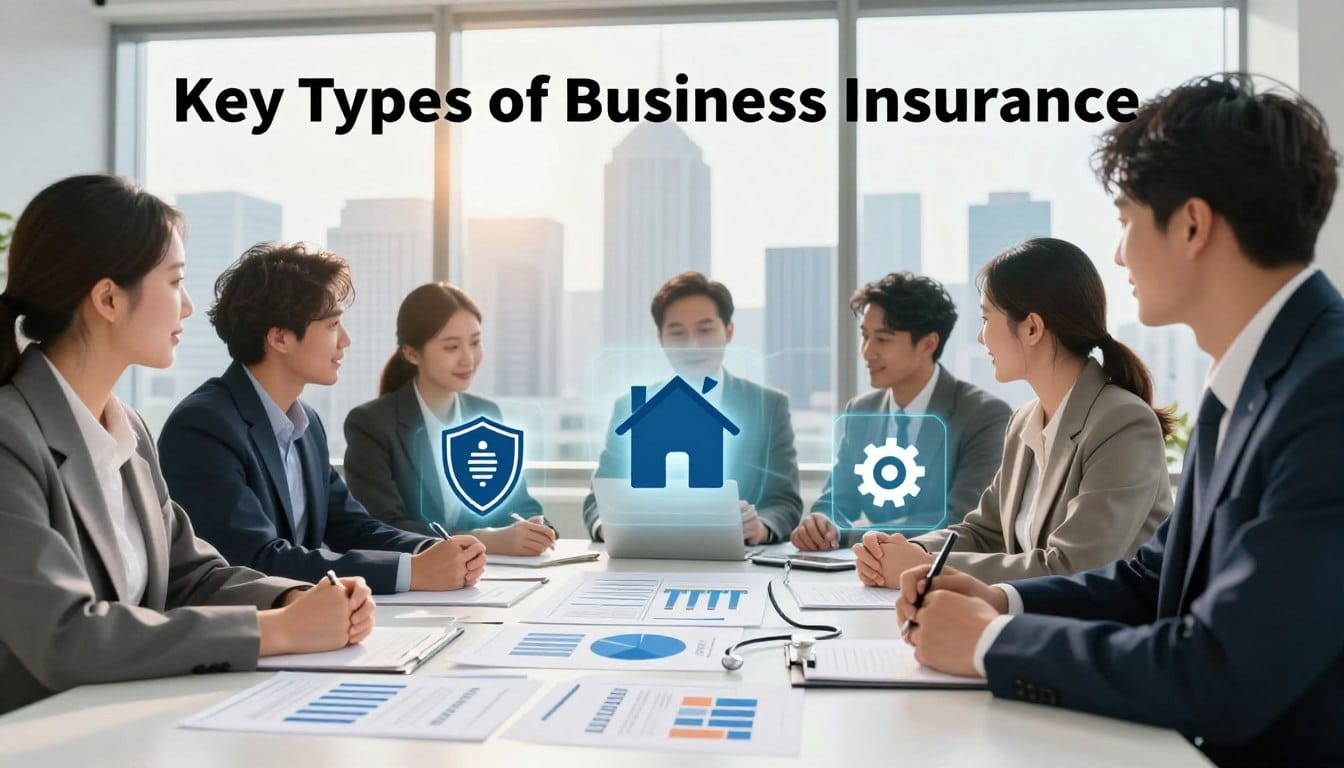
Key Types of Business Insurance Every Business Should Know
Every entrepreneur should be aware of the essential types of coverage available to protect their operations. Understanding these options can help mitigate risks and ensure stability in the face of unexpected challenges.
General Liability Insurance
General liability insurance forms the cornerstone of most business protection plans. It covers third-party claims for bodily injury, property damage, and advertising injury. This policy typically includes both per-occurrence and aggregate limits, which help manage legal defense costs and settlement fees that could otherwise devastate a business financially.
Workers’ Compensation Insurance
Workers’ compensation insurance is crucial for providing benefits to employees who suffer work-related injuries or illnesses. This coverage includes medical care, wage replacement, and rehabilitation. In Texas, while not mandatory for private employers, it protects businesses from personal injury lawsuits, making it a worthwhile consideration.
Commercial Auto Insurance
Commercial auto insurance is essential for businesses that use vehicles for operations. Personal auto policies often exclude coverage for business-related driving activities. Texas law mandates minimum liability limits for commercial vehicles, ensuring that businesses are protected while on the road.
Property Insurance and Business Interruption Coverage
Property insurance safeguards physical assets, including buildings, equipment, and inventory, against perils like fire, theft, and vandalism. Coupled with business interruption coverage, this policy helps replace lost income and covers ongoing expenses, such as rent and payroll, during temporary closures due to covered events.
Cyber Liability and Professional Liability Insurance
Cyber liability insurance has become increasingly important for businesses that store customer information or rely on digital systems. It covers expenses related to data breaches and ransomware attacks. Meanwhile, professional liability insurance protects service-based businesses against claims of negligence or misrepresentation, covering legal defense costs even for unfounded claims.
A Business Owner’s Policy (BOP) combines general liability and property insurance into one streamlined package, often at a more affordable rate than purchasing each policy separately. This option is particularly beneficial for small and mid-sized businesses, allowing them to customize coverage based on their specific operations.
How Business Structure and Location Affect Insurance Needs
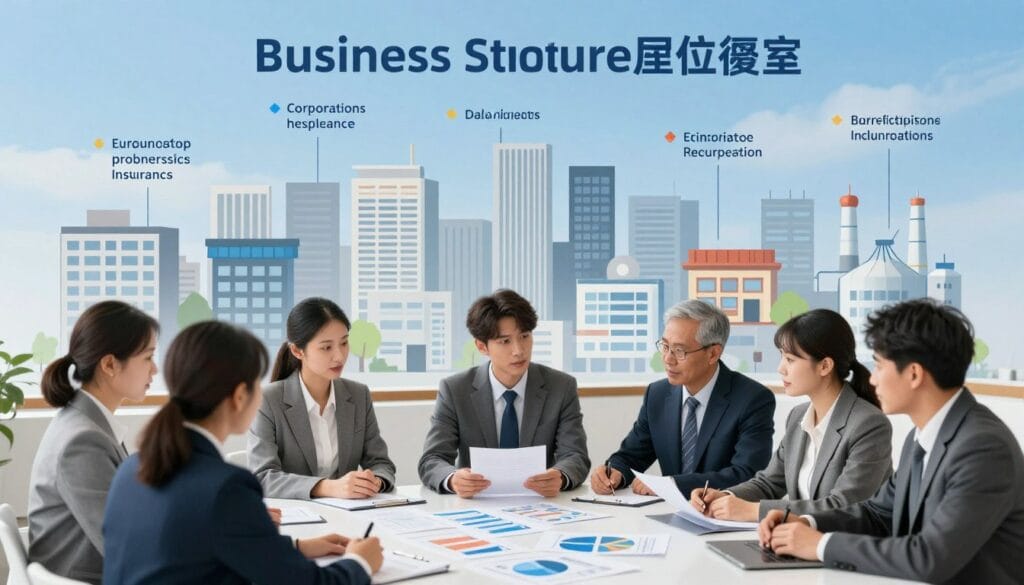
The structure of your enterprise significantly shapes your coverage needs. Each legal entity type presents different levels of liability exposure and protection. For instance, sole proprietors carry the highest personal liability. Without adequate business insurance, they risk losing personal savings, homes, and future earnings due to business-related claims.
In contrast, Limited Liability Companies (LLCs) and corporations offer a legal shield. They separate personal assets from business liabilities. However, this protection is not absolute. Courts can pierce the corporate veil in certain situations, making it essential to maintain proper coverage.
The choice of business structure directly influences which types of insurance are most critical. Sole proprietors should prioritize robust general liability and professional liability coverage. Larger corporations, on the other hand, may focus on employment practices liability insurance and directors and officers coverage.
Location also plays a vital role in determining insurance needs. Each state has unique regulations, creating a complex web of requirements. Businesses operating across state lines or employing remote workers must comply with the mandates of every jurisdiction where they have a presence.
Moreover, individual cities and counties may impose additional regulations beyond state requirements. This is especially true for industries like construction, food service, or transportation, which face heightened local oversight.
For businesses located in disaster-prone areas, such as coastal regions vulnerable to hurricanes, careful evaluation of property insurance policies is crucial. They should consider exclusions and additional endorsements to ensure complete protection.
The interaction between business structure and location means that a comprehensive insurance strategy must be tailored to both the legal entity type and the geographic footprint of operations. Regular reviews are essential as either factor changes over time.
- Sole proprietors face the highest personal liability exposure, making adequate coverage essential.
- LLCs and corporations provide a legal shield, but proper insurance remains necessary.
- The choice of structure influences which types of insurance are critical.
- Location creates a complex web of requirements, especially for multi-state operations.
- Individual cities may impose additional regulations, particularly in certain industries.
- Businesses in disaster-prone areas must evaluate property policies carefully.
- A comprehensive strategy should be tailored to both structure and location.
Managing Insurance Costs and Customizing Your Coverage

Managing costs while ensuring adequate coverage is a top priority for every business owner. Insurance can be a significant expense, but there are ways to tailor policies to fit your needs without breaking the bank. By understanding available options, business owners can effectively protect their assets and operations.
Most insurers offer enhancements or endorsements to cover specific risks that basic policies exclude. For instance, standard property insurance primarily covers the building and its contents. However, adding business interruption insurance can replace lost income and cover ongoing expenses like rent and payroll during rebuilding after a disaster.
Rather than scrambling to adjust policies later, it’s helpful to share contracts with an insurance agent early in the process. This allows the agent to ensure coverage meets all required terms from the outset. A common mistake many businesses make is setting policy limits and then forgetting about them. As revenue and payroll grow, more coverage is often needed.
Policy Endorsements and Add-Ons to Enhance Protection
Policy endorsements and add-ons allow business owners to customize standard insurance policies. These enhancements address specific risks that would otherwise be excluded, such as:
- Flood damage
- Earthquake coverage
- Equipment breakdown
- Food spoilage for restaurants
Standard property insurance policies contain exclusions that could prevent a business from reopening after a loss. Thus, reviewing these exclusions with an insurance professional is essential. Adding endorsements can close dangerous coverage gaps and provide comprehensive protection.
Working Effectively with Insurance Brokers and Agents
Working effectively with insurance brokers and agents begins with sharing contracts, lease agreements, and client requirements early in the process. This ensures that all policy limits, additional insured clauses, and waiver of subrogation language are properly addressed from the outset. An annual insurance review is one of the most effective cost-management strategies.
This review allows business owners to reassess policy limits as revenue grows, track changing client or landlord requirements, and identify opportunities to adjust coverage without overpaying. Many businesses make the costly mistake of treating insurance as a set-it-and-forget-it decision. They often fail to update policies after major changes, such as launching new services or hiring employees in new locations.
Maintaining updated certificates of insurance (COIs) for contract work and tracking policy requirements from clients and vendors helps businesses avoid last-minute scrambling. Customizing coverage through endorsements and proactive broker relationships ultimately costs less than facing an uncovered claim. This makes insurance customization a strategic investment rather than an administrative expense.
| Type of Coverage | Key Features | Importance |
|---|---|---|
| Policy Endorsements | Customizes coverage for specific risks | Addresses gaps in standard policies |
| Business Interruption | Covers lost income during closures | Essential for financial stability |
| Annual Review | Reassesses coverage needs | Helps avoid underinsurance |
| Certificates of Insurance | Ensures compliance with contracts | Prevents last-minute issues |
Conclusion: Building a Smarter Business Insurance Strategy for Long-Term Protection
Securing the right coverage is essential for safeguarding your livelihood and future. As your enterprise evolves, so should your insurance strategy. Coverage that sufficed years ago may not meet today’s challenges. Regular reviews and proactive planning ensure that your business is prepared for what lies ahead.
The right insurance program allows owners to grow, hire, and innovate without the constant worry of potential risks. Embrace insurance as a dynamic tool that protects your operations and employees. It’s not just about compliance; it’s about building a resilient foundation capable of withstanding unexpected challenges.
Take action today. Schedule an insurance review, consult with a qualified broker, and assess whether your current coverage adequately protects what you’ve worked so hard to build.

 By
By